Alarming US-Iran Conflict: Hope for Peace Amid Crisis
The US-Iran conflict has become one of the most serious security crises in the Middle East. What began with tensions over Iran’s nuclear programme, regional influence, sanctions, and missile capabilities has expanded into a wider confrontation involving the United States, Israel, Gulf countries, and Iran-backed groups.
The situation has raised fears of a prolonged regional war. It has also created major concerns for global energy markets, international trade routes, and civilian safety. Although ceasefire efforts have reduced large-scale fighting at different stages, the risk of renewed escalation remains high.
How the US-Iran Conflict Escalated
The latest phase of the US-Iran conflict intensified after the United States and Israel carried out strikes against Iranian nuclear and military infrastructure. Iran responded with missile and drone attacks against U.S. military locations, Israel, and infrastructure across the Gulf region.
The confrontation did not develop overnight. For years, Washington and Tehran have disagreed over uranium enrichment, Iran’s ballistic missile programme, regional armed groups, and economic sanctions. The collapse of the 2015 nuclear agreement added further pressure and reduced diplomatic trust between both sides.
Iran has argued that its nuclear programme is for peaceful purposes. The United States and its allies have expressed concern that Iran could gain the ability to produce a nuclear weapon. This disagreement remains one of the biggest obstacles to a long-term settlement.
Strait of Hormuz Remains a Major Concern
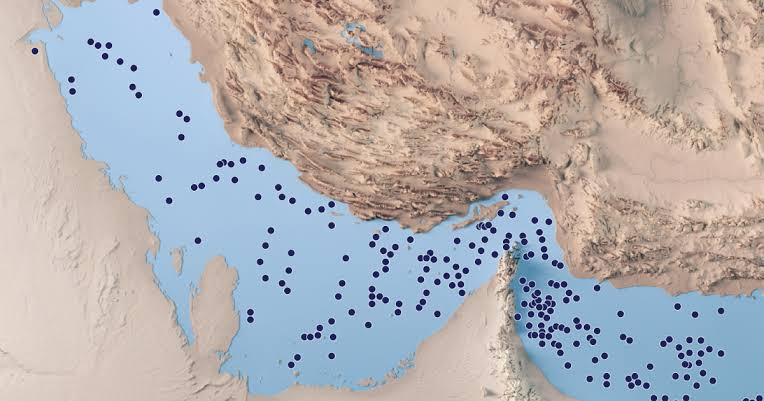
The Strait of Hormuz has become one of the most sensitive points in the crisis. This narrow waterway is essential for the transportation of oil and natural gas from Gulf countries to global markets.
Any disruption in the Strait of Hormuz can affect fuel prices, shipping costs, and supplies around the world. Iran has claimed influence over the route, while the United States has stressed the importance of keeping the passage open for international shipping.
The crisis has already created pressure on energy markets and trade routes. For countries such as Pakistan, higher oil prices can increase import costs, inflation, transport expenses, and electricity-related challenges. This shows that the impact of the conflict is not limited to the Middle East.
Pakistan’s Role in Ceasefire Efforts
Pakistan has played an important diplomatic role by helping support communication between the United States and Iran. A Pakistan-mediated agreement in June aimed to reduce hostilities, reopen the Strait of Hormuz, and create space for further discussions.
The agreement offered temporary hope, but it did not solve the deeper issues behind the conflict. Both sides later accused each other of violating the terms of the ceasefire. Disputes over sanctions relief, nuclear enrichment, maritime security, and Israel’s role in the region continued to block progress.
Pakistan’s involvement highlights the value of dialogue during a dangerous regional crisis. Diplomacy may not provide an instant solution, but it can prevent further military action and keep communication channels open.
Economic and Human Cost of the Crisis
The US-Iran conflict has caused serious humanitarian and economic consequences. Military strikes have damaged infrastructure and forced many civilians to leave their homes. Families in affected areas are facing insecurity, limited access to essential services, and uncertainty about the future.
Economic pressure is also growing. New sanctions, restrictions on shipping, and disruptions in trade have added strain to Iran’s economy. At the same time, Gulf countries remain concerned about attacks on airports, energy facilities, and commercial routes.
A wider conflict could affect food prices, oil markets, global shipping, and financial stability. For this reason, international efforts should focus on reducing tensions before the situation becomes even more difficult to control.
Why a Lasting Peace Deal Matters
A temporary ceasefire is not enough to end the US-Iran conflict. A lasting agreement must address the main causes of tension, including Iran’s nuclear programme, sanctions, regional security, missile activity, and freedom of navigation in the Strait of Hormuz.
Both sides need a practical path that protects security while avoiding another destructive war. Continued military escalation may bring short-term pressure, but it cannot create stable peace. Real progress will require serious negotiations, clear commitments, and international support.
The future of the Middle East depends on whether diplomacy can overcome mistrust. The conflict remains alarming, but a peaceful settlement is still possible if all sides choose dialogue over further confrontation.