7 Powerful Shocking Updates on the U.S.-Iran Hormuz Crisis
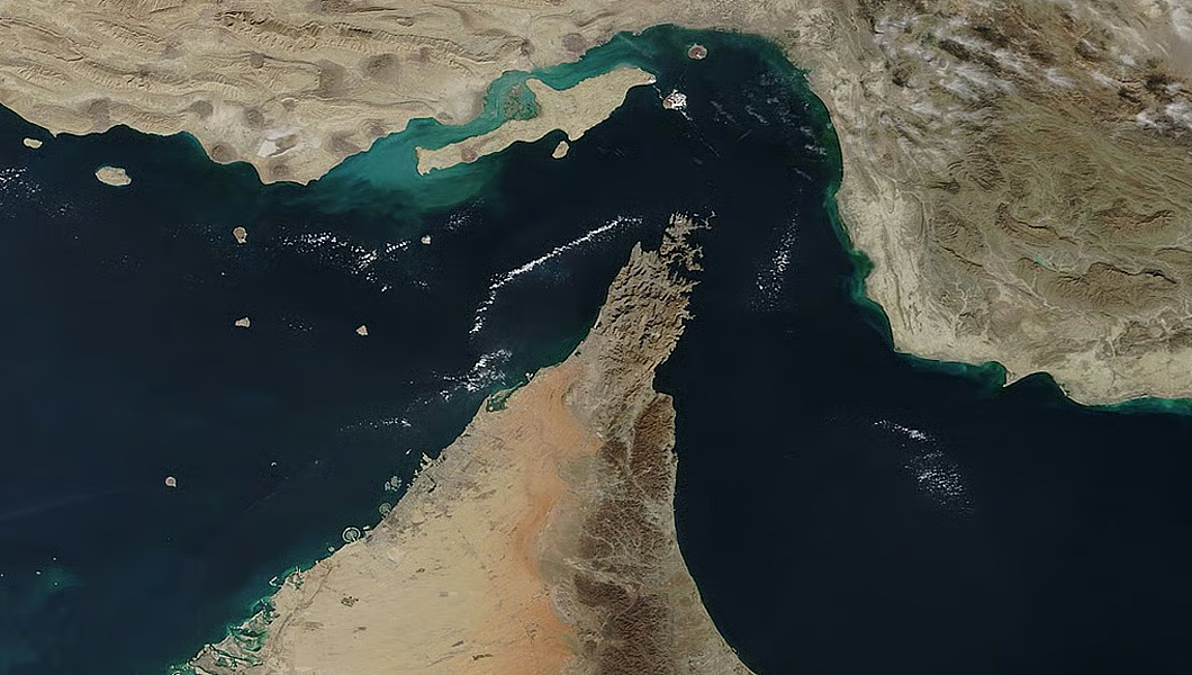
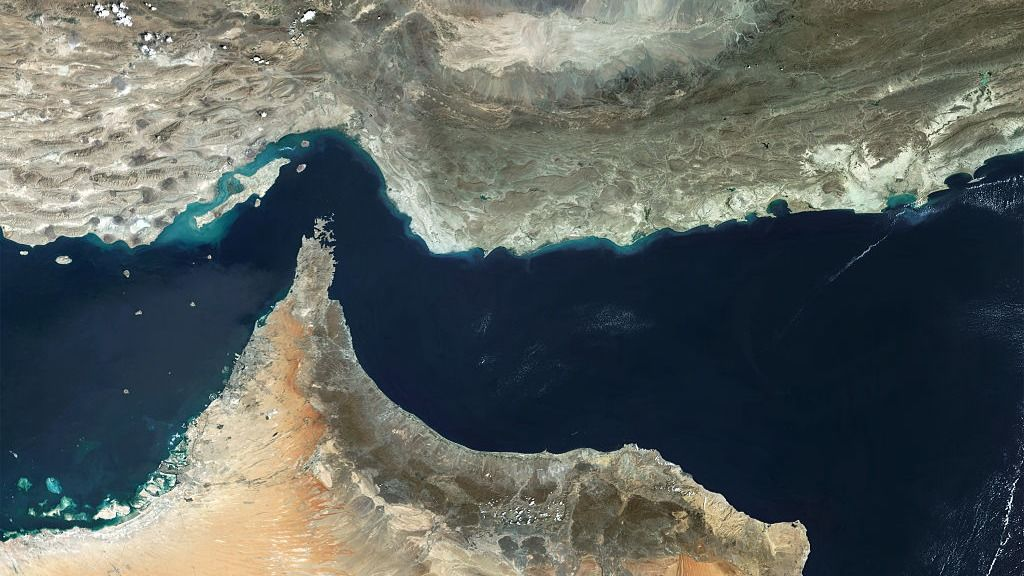
The Strait of Hormuz is once again in the global spotlight. This narrow waterway is one of the most important shipping routes in the world, and the latest U.S.-Iran conflict has made it a major news issue. The situation is serious because any disruption in this area can affect oil supply, shipping costs, and the wider global economy.
The United States and Iran are now back in a tense standoff over control of the strait. Reports say the U.S. has reimposed a blockade on Iranian ports and increased military pressure after attacks on ships in the region. This has raised fresh fears that the crisis could grow even more dangerous in the coming days.
Why the Strait of Hormuz Matters
The Strait of Hormuz is a key route for oil and commercial shipping. A large amount of the world’s oil passes through this waterway, so even a small delay or attack can create a big reaction in the market. That is why every new development in this region gets attention in the United States and across the world.
For America, this issue is not only about foreign policy. It is also about energy security, trade protection, and military strategy. When the strait becomes unsafe, shipping companies face higher risk, and consumers may eventually feel the impact through fuel and transport prices.
Trump’s Tough Position
President Donald Trump has taken a strong and aggressive stance on the crisis. According to recent reports, he said the United States would seek control of the Strait of Hormuz and keep it open for shipping. He also said the U.S. would act as the guardian of the waterway and charge fees to cover security costs, although that idea created immediate concern.
Trump later backed away from the proposed shipping toll, but the reversal itself showed how unstable the situation had become. His public statements have added more attention to the crisis and made the situation even more unpredictable.
U.S.-Iran Tension Is Rising
The latest reports show that the U.S. and Iran are trading strikes and threats again, and the breakdown of the earlier agreement has made things worse. The interim deal that was supposed to reopen the strait and reduce conflict has now fallen apart, leaving no clear path to peace.
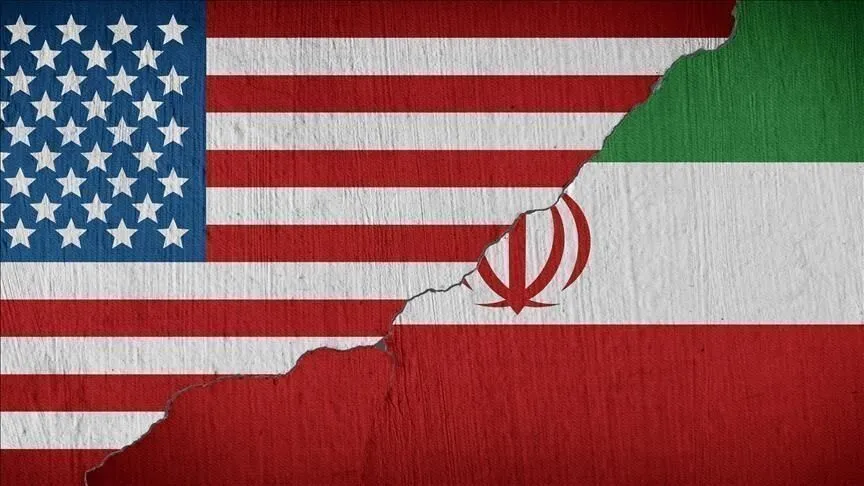
Iran has also responded strongly. Officials there pushed back against U.S. claims and argued that Iran has its own role in protecting the strait. This back-and-forth has made the political atmosphere even more tense and has increased the chance of further confrontation.
Oil Prices and Shipping Risk
One of the biggest concerns in this crisis is the impact on oil prices. The Strait of Hormuz is one of the main routes for energy transport, so any blockage or military clash can quickly disturb supply. Markets react fast when shipping routes become unsafe, and even the fear of disruption can push prices higher.
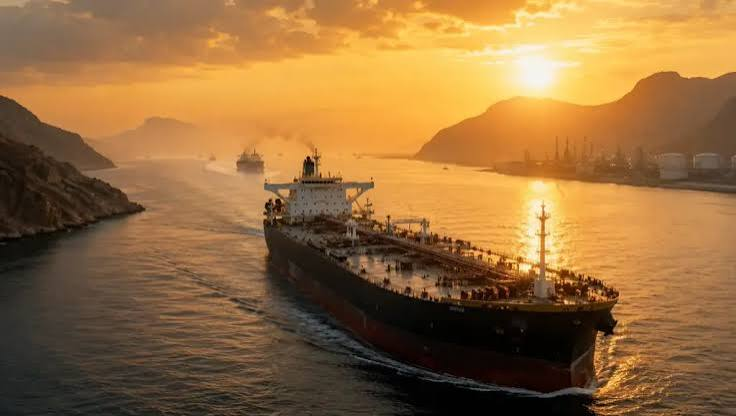
Shipping companies also face serious problems when the route becomes unstable. Delays, higher insurance costs, and possible military danger can all affect trade. This is why the Strait of Hormuz is watched so closely by governments, businesses, and investors around the world.
What Happens Next
The next stage depends on whether diplomacy can return or military pressure grows further. If the conflict continues, the risk to global trade and regional security will remain high. If both sides step back, there may still be a chance to restore stability in the waterway.
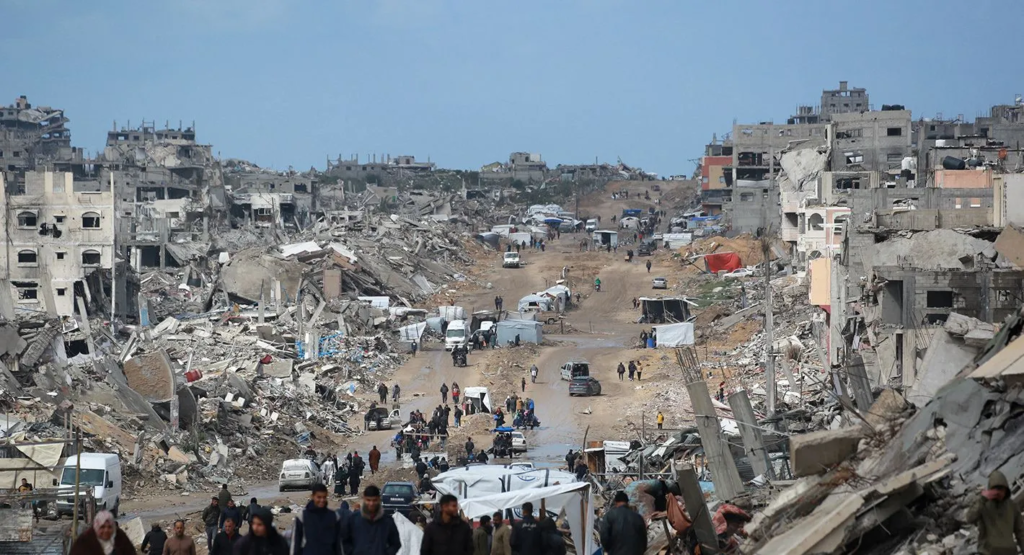
For readers in the United States, this story matters because it can affect energy prices, foreign policy, and global market confidence. The Strait of Hormuz may be far away, but its impact can reach American households very quickly.