
Oil Prices Rise as China Limits Fuel Exports
Oil prices rose by about 2% on Thursday after China suspended oil product exports to destinations outside Hong Kong and Macau. The decision increased concerns about fuel availability as global markets continued to face supply pressure.
Investors were also watching diplomatic efforts between the United States and Iran, along with developments affecting oil exports from the Gulf region.
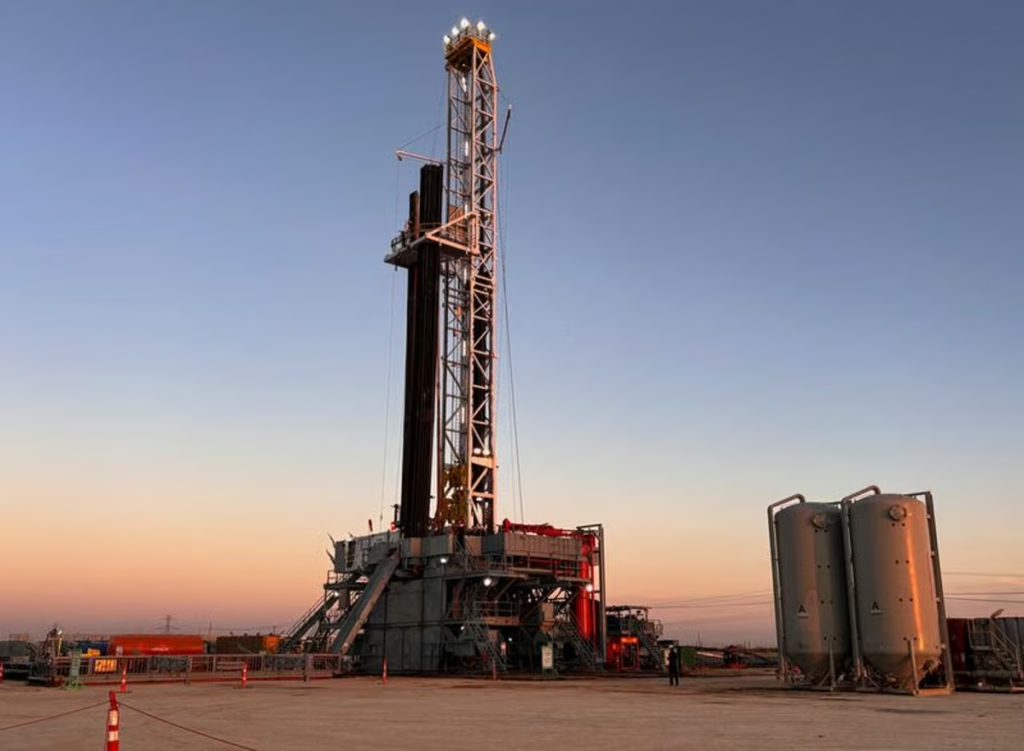
The December Brent crude futures contract traded at $100.09 per barrel at 0829 GMT. It gained $2.06, or 2.1%, from the previous close. The November contract expired on Wednesday at $103.50 per barrel after recording a monthly gain of about 14% in September.
US West Texas Intermediate crude also increased by $2.06, or 2.28%, to reach $92.48 per barrel. However, prices remained volatile after falling by more than 1% during early trading.
China Suspends Oil Product Exports
Chinese refiners have suspended oil product exports to regions beyond Hong Kong and Macau until further notice, according to people familiar with the matter.
The move could place additional pressure on fuel markets already affected by global supply shortages. It also raised questions about whether China is trying to protect domestic fuel supplies.
UBS analyst Giovanni Staunovo said the export suspension suggested concerns about the availability of oil products inside China. He added that it remained unclear whether the decision would lead to higher crude oil imports after recent declines in Chinese crude and fuel inventories.
China is one of the world’s largest energy consumers. Any major change in its fuel exports can influence supply conditions in Asia and other international markets.
Global Diesel Supplies Remain Tight
Diesel supplies have tightened because of lower refining capacity. Attacks connected to conflicts in the Middle East and Ukraine have affected several parts of the energy supply chain.
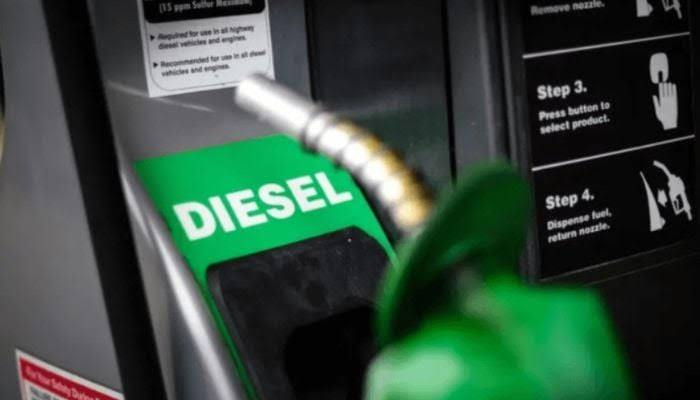
The situation has increased pressure on governments to protect consumers from higher fuel prices. European diesel refinery profit margins were around $80.05 per barrel at 0829 GMT, down about 4% from the previous session. The margin had reached a record high of $95 per barrel on September 23.
The United States has also urged Germany and France to use emergency diesel inventories. Officials reportedly warned that countries could face a possible US diesel export ban if they did not take steps to ease pressure in the fuel market.
Gulf Oil Exports Recover
Oil traders were also monitoring the recovery of Gulf exports. Saudi Arabia resumed oil tanker loadings from Yanbu after restarting operations on its East-West Pipeline.
Goldman Sachs estimated that Gulf oil exports, including unofficial shipments known as “dark exports,” had recovered to 23.3 million barrels per day during the previous week. The bank said the figure was close to the 2025 average, while Gulf exports doubled during September.
Higher Gulf exports could reduce some supply concerns. However, ongoing geopolitical tensions continue to create uncertainty for crude oil prices.
US-Iran Diplomacy in Focus
Diplomatic efforts between the United States and Iran remained an important factor for oil markets.
Iran said it had received a US response to its latest proposal aimed at reviving a ceasefire in the Gulf. However, US President Donald Trump denied reports that he was prepared to ease sanctions on Iran or release frozen Iranian funds in exchange for specific steps related to Tehran’s nuclear programme.

A change in US-Iran relations could have a major effect on oil supply expectations. Easing sanctions could potentially allow more Iranian crude to reach international markets, while a breakdown in talks could increase concerns about supply disruptions.
What Could Happen to Oil Prices?
Oil prices may remain unstable in the short term because traders are balancing several developments:
- China’s restriction on oil product exports.
- Tight global diesel supplies.
- The recovery of Gulf oil exports.
- US-Iran diplomatic negotiations.
- Possible changes in sanctions on Iranian oil.
- Conflict-related risks affecting production and transport routes.
If fuel supplies remain tight, crude oil prices could receive further support. On the other hand, stronger Gulf exports or progress in US-Iran negotiations could reduce supply concerns and limit price increases.
Conclusion
Oil prices rose around 2% after China suspended oil product exports to destinations outside Hong Kong and Macau. The decision added to concerns about global fuel supplies, particularly as diesel markets continued to face pressure.
Brent crude traded above $100 per barrel, while West Texas Intermediate also recorded a strong gain. Traders are now focusing on China’s domestic fuel needs, Gulf export levels and the future of US-Iran diplomacy.