Oil Prices Fall Below $100
Oil prices have fallen below the $100 per barrel mark after US President Donald Trump reported progress in talks with Iran. The development has attracted fresh attention from global energy markets because crude prices have remained highly sensitive to political and diplomatic developments in the Middle East.
The latest movement comes as traders assess whether discussions between the United States and Iran could reduce some of the risks surrounding global oil supplies. When concerns about possible disruptions become less severe, traders may reduce the risk premium built into crude prices.
Trump Reports Talks With Iran
Donald Trump said that US representatives had held talks with Iranian officials and described the discussions in positive terms. The report encouraged markets to consider the possibility of progress between Washington and Tehran.
Diplomatic developments can have a significant effect on energy markets, particularly when they involve countries connected to major oil supplies. Any improvement in relations could influence expectations about future production, exports, sanctions, and international trade.
However, the reported talks do not automatically mean that all differences between the two countries have been resolved. Markets are expected to watch future statements and developments closely.
Why Oil Prices Are Falling
One of the main reasons behind the latest decline is the possibility that diplomatic progress could reduce fears about supply disruptions.
Oil prices often respond quickly to changes in expectations. When traders believe that the risk of a major disruption is increasing, crude prices can rise. When those concerns ease, prices can move in the opposite direction.
The latest decline therefore reflects changing expectations about the future rather than only current oil production levels.
Middle East Tensions Remain Important
The Middle East plays a major role in the global energy market. Several important oil-producing countries are located in the region, while major shipping routes connect producers with consumers around the world.
Because of this, developments involving Iran and other countries in the region can have a direct impact on expectations in international oil markets.
Investors are continuing to follow diplomatic developments because any major escalation could increase concerns about supplies, while further progress could reduce some of those concerns.
Strait of Hormuz and Global Oil Supply
The Strait of Hormuz is another important factor for the global energy market. It is a major route for oil shipments, making its security important for international energy supplies.
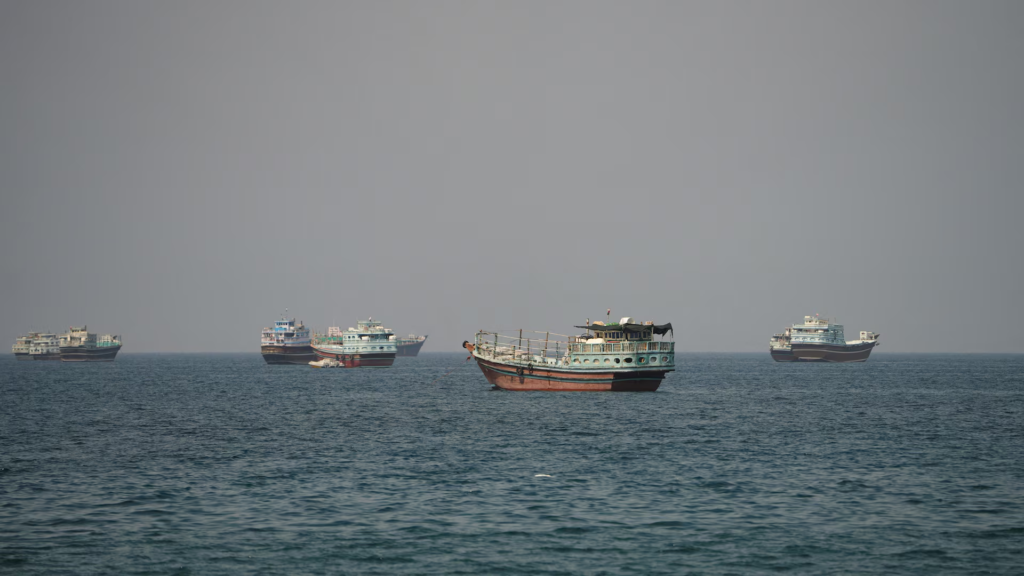
Any serious disruption to shipping through the waterway could create concerns about the availability of crude oil in global markets. Such concerns could place upward pressure on prices.
On the other hand, stable shipping conditions can help reduce fears about supply interruptions and support more stable market conditions.
What Lower Oil Prices Could Mean
Changes in crude prices can affect many parts of the global economy. Oil is widely used for transportation, manufacturing, electricity generation, and other economic activities.
A sustained decline in crude prices could eventually reduce some costs for businesses and consumers. Lower energy costs can help reduce expenses for transportation companies, manufacturers, airlines, and other businesses that use large amounts of fuel.
However, the effect is not always immediate. Retail fuel prices are also influenced by taxes, exchange rates, refining costs, transportation expenses, and government policies.
Impact on Oil-Importing Countries
Lower crude prices can be particularly important for countries that depend heavily on imported energy.
When international oil prices decline, countries may spend less on energy imports if other conditions remain unchanged. This can reduce pressure on trade balances and government finances.
For consumers, cheaper crude can eventually contribute to lower petrol and diesel costs, although the final price at fuel stations depends on several other factors.
Impact on Oil-Producing Countries
Oil-producing countries can experience a different effect when crude prices decline.
Governments and companies that depend heavily on oil revenue may receive less income when prices remain lower for an extended period. The impact can vary depending on production levels, government budgets, reserves, and the overall strength of the country’s economy.
This is why changes in global crude prices can create different economic effects across countries.
Brent Crude and WTI
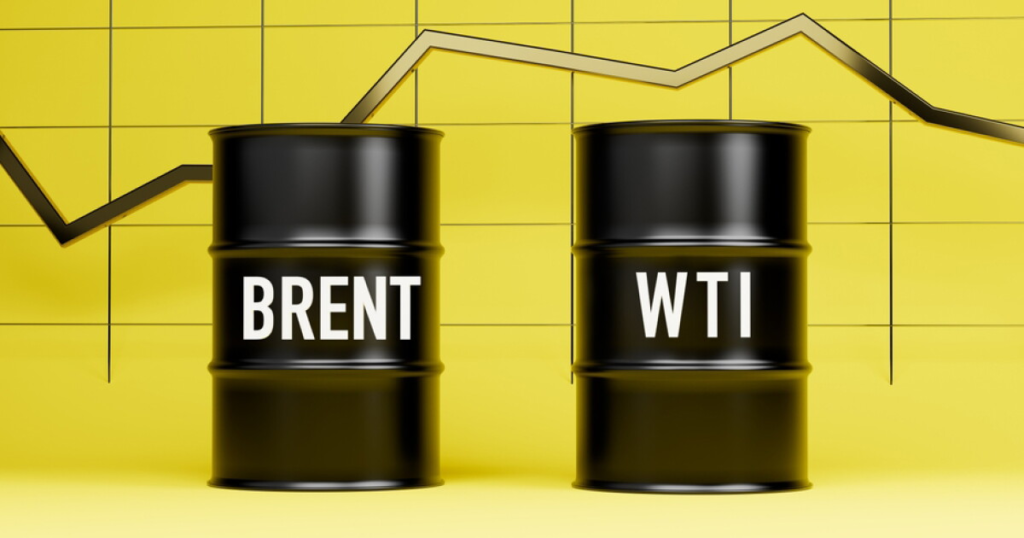
Brent crude and West Texas Intermediate, commonly known as WTI, are two of the most closely followed oil benchmarks.
Brent is widely used as a reference price for crude traded in international markets, while WTI is an important benchmark for the US market.
Movements in these benchmarks provide investors and businesses with an indication of changing conditions in the global oil market.
What Investors Are Watching
Investors are now watching several factors that could influence oil prices in the coming days.
The progress of US-Iran talks is one important factor. Traders will also monitor developments in the Middle East, oil production, international shipments, global demand, and any changes in sanctions or energy policies.
Any unexpected development could quickly change market expectations.
Global Economic Impact
Oil prices have a wider influence on the global economy because energy is connected to transportation, manufacturing, agriculture, and trade.
Higher energy costs can increase expenses for businesses and may contribute to inflation. Lower energy costs can have the opposite effect if the decline continues and reaches consumers and businesses.
For this reason, central banks, governments, companies, and investors closely follow major movements in crude markets.
What Happens Next?
The direction of the oil market will depend heavily on future developments. If US-Iran discussions lead to further diplomatic progress, concerns about supply disruptions could continue to ease.
However, the situation remains uncertain. New tensions, changes in negotiations, shipping problems, or unexpected supply developments could quickly influence the market again.
For now, the move below $100 per barrel is an important development for global energy markets. Traders will continue to follow official statements and market data to determine whether the decline continues.
Oil Market Outlook
The latest movement shows how closely oil markets are connected to international politics and global supply expectations.
The reported US-Iran talks have given traders a new factor to consider, but the broader situation remains fluid. Oil prices can change quickly when new information becomes available.
As developments continue, investors, governments, businesses, and consumers will be watching crude benchmarks and energy-market conditions closely. The next stages of the US-Iran discussions and developments across the Middle East could play an important role in determining the direction of the global oil market.