
Pakistan Plans China-Inspired Police Reforms
Pakistan is preparing to introduce major changes to its policing system by adopting selected investigation methods, training practices and surveillance techniques used in countries such as China and Turkey. Interior Minister Mohsin Naqvi announced the proposed reforms during a meeting with assistant superintendents of police who had recently returned from specialised training programmes abroad.
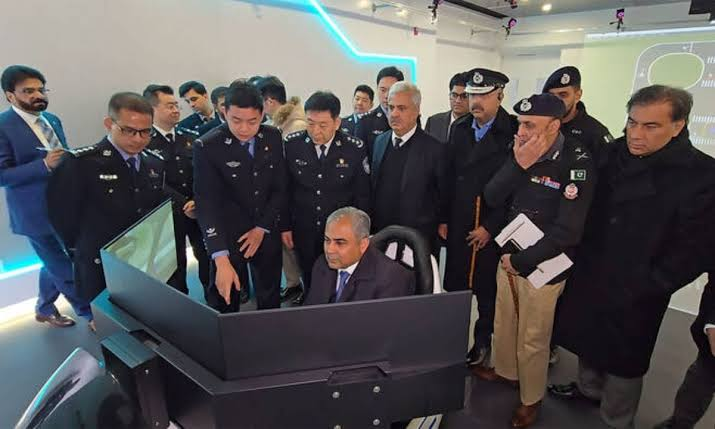
The initiative is part of a wider plan to improve the skills, technology and working methods of Pakistani law enforcement agencies. The government wants police officers to receive regular exposure to modern policing systems so they can respond more effectively to changing security challenges and criminal activities.
The assistant superintendents shared their experiences of police training in China and Turkey. They discussed the use of modern equipment, digital tools, surveillance systems and organised investigation procedures. The officers also explained how some of these practices could be adapted to Pakistan’s own law enforcement requirements.
New Law Enforcement Investigation Centre
One of the key proposals is the establishment of a new law enforcement investigation centre. The project will initially be introduced on a pilot basis. The proposed centre is expected to bring detention, investigation and summary trial facilities together at one location.
The main purpose of this arrangement is to reduce delays in minor criminal cases. At present, cases can take considerable time because different stages of the legal process are handled by separate departments and institutions. A centralised facility could help improve coordination between investigators, prosecutors and other officials.
However, the success of the centre will depend on proper legal safeguards, trained staff and transparent procedures. Faster case disposal should not come at the cost of the rights of suspects, victims or witnesses. Effective police reforms must improve both efficiency and accountability.
Foreign Training for Pakistani Police
The interior minister said that international training would become a permanent part of the professional development of Pakistani police officers. This means that selected personnel may continue to travel abroad to study investigation methods, public-order management, surveillance systems and other areas of law enforcement.
International training can provide valuable knowledge, but foreign policing models cannot be copied without adjustment. Pakistan has its own legal system, social conditions, security concerns and administrative challenges. Therefore, the methods learned abroad will need to be carefully adapted to local circumstances.
Regular training can help officers improve their understanding of forensic investigation, digital evidence, intelligence gathering and modern crime-prevention techniques. It may also strengthen cooperation between different law enforcement departments.
Greater Use of Drones and Technology
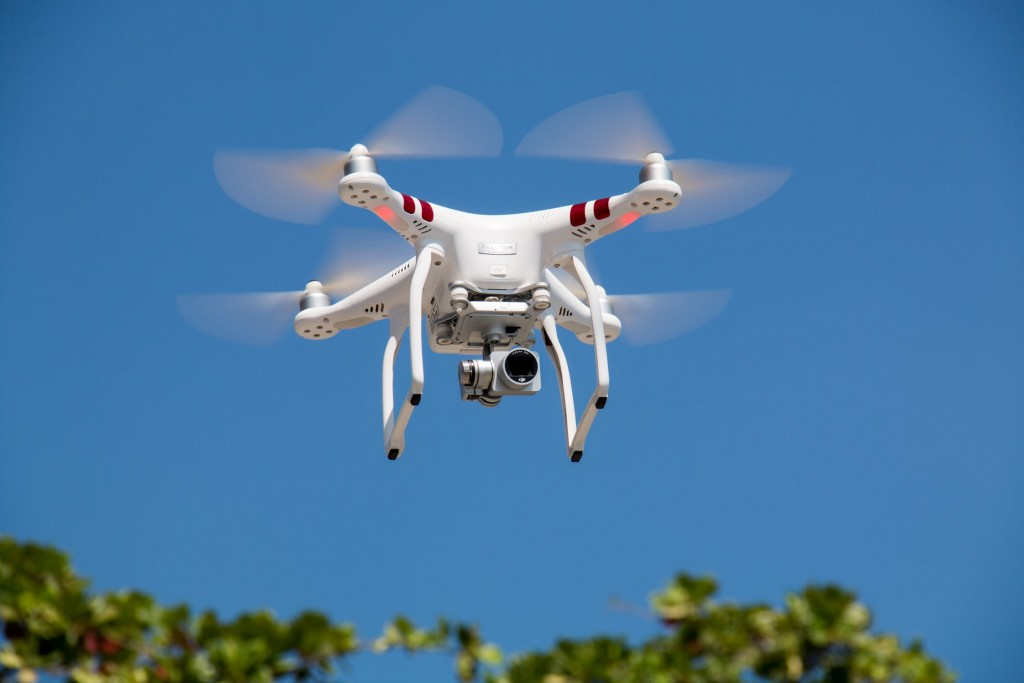
The reform plan also includes the introduction of modern drones into the Aviation Wing of the Ministry of Interior. These drones are expected to support surveillance and law enforcement operations.
Drones can help monitor difficult or dangerous areas, assist during major public events and provide aerial information during emergency situations. They may also be useful in border monitoring, disaster response and the search for missing persons.
At the same time, the use of surveillance technology must be controlled through clear rules. Authorities should define how information is collected, stored and shared. Strong safeguards are necessary to prevent misuse and to protect the privacy of citizens.
Technology can support police work, but it cannot replace professional investigators. Reliable evidence, careful analysis and responsible decision-making will remain essential for successful investigations.
Specialised Investigation Training
The government also plans to establish specialised investigation rooms at the National Police Academy. These facilities would provide officers with a more focused environment for learning and practising investigation techniques.
The proposed training may cover crime-scene management, evidence collection, case documentation, questioning methods and the use of digital tools. Better investigation training can help reduce errors and improve the quality of criminal cases presented before courts.
Another proposal is to include interrogation as a specialised academic subject in police training. The reported plan focuses on introducing contemporary interrogation methods based on practices used in developed countries.
This area requires particular attention because interrogations must follow the law. Modern questioning techniques should be based on evidence, professionalism and respect for human rights. The use of pressure, threats or unlawful methods can damage investigations and weaken public trust.
Proposed Changes to Police Uniforms
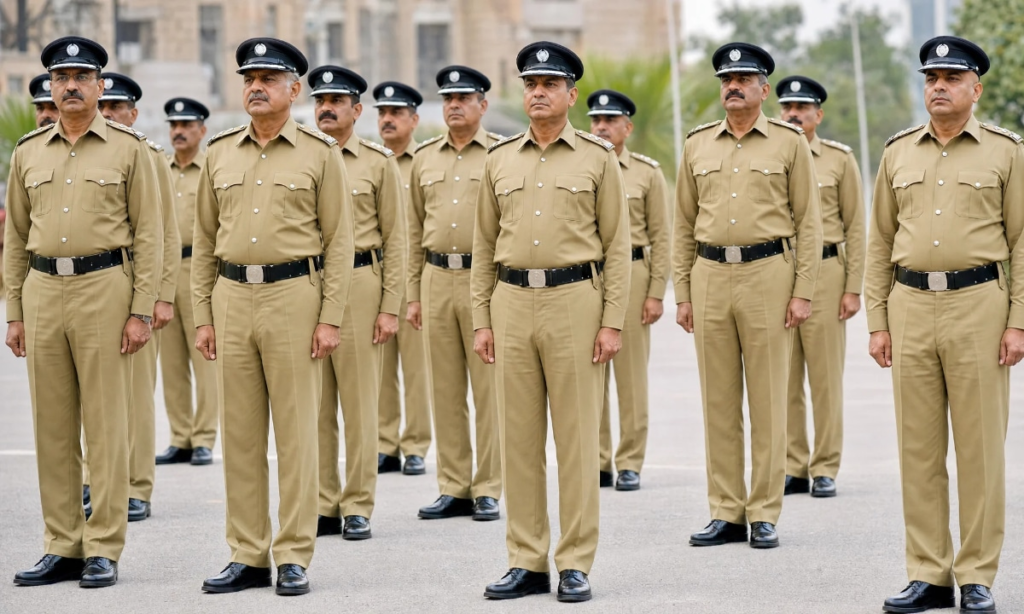
Mohsin Naqvi also announced plans to introduce new police uniforms. The proposed uniforms will reportedly be designed according to the operational needs of law enforcement personnel.
A practical uniform can improve comfort, mobility and safety during field duties. It may also help officers carry essential equipment more effectively. However, any change should consider the cost, quality, climate and working conditions faced by police personnel in different parts of the country.



What the Reforms Could Mean
The proposed Pakistan police reforms reflect an effort to modernise law enforcement through better training, specialised facilities and advanced technology. If implemented carefully, the measures could improve investigation standards, strengthen surveillance capabilities and speed up the handling of minor cases.
The reforms will require clear planning, adequate funding and regular evaluation. Training programmes should be linked to measurable improvements in police performance rather than limited to official visits or short courses.
Public confidence will also be an important measure of success. Citizens expect police departments to respond quickly, investigate fairly and operate within the law. Modern equipment and foreign techniques can support these goals, but lasting improvement will depend on professional conduct, accountability and respect for basic rights.
Pakistan’s planned policing changes are therefore more than a technology project. They represent a broader attempt to improve how investigations are conducted and how public safety institutions operate. The next stage will be to determine how these proposals are implemented across the country and whether they produce practical results for police officers and the public.