Gold Touches Seven-Week Peak: What’s Driving the Rally?
Gold prices hit a seven-week high on Thursday, August 6, 2026, as hopes grew for the reopening of the Strait of Hormuz. This strategic waterway, critical for global oil shipments, had been disrupted for months due to regional tensions. Spot gold climbed 1% to $4,285.84 per ounce, marking its highest level since June 18. U.S. gold futures also rose 0.9% to $4,345.80.
The precious metal advanced for a fourth straight session, helped by weaker oil prices, a softer dollar, and lower Treasury yields. These factors combined to create a perfect storm for gold buyers, pushing the metal to levels not seen in nearly two months.
Why Is Gold Surging Now?
The rally wasn’t random. Three key factors fueled this jump, and understanding them is crucial for any investor watching the gold market closely.
1. Strait of Hormuz Reopening Hopes
A proposed Iran-Oman deal aims to restore shipping through the Strait, easing oil supply fears. Iran and Oman have agreed on the geographical coordinates of a proposed safe shipping route in the strait, according to Iran’s Foreign Ministry spokesman Esmaeil Baghaei . This agreement marks a significant diplomatic breakthrough after months of tension that had threatened global oil supplies.

Lower oil prices reduce inflation risks, making gold more attractive to investors who had been worried about rising costs eating into their returns. The Strait of Hormuz handles about 20% of the world’s oil, so any disruption there sends shockwaves through energy markets worldwide.
2. Weaker U.S. Dollar
A softer dollar made gold cheaper for international buyers, boosting demand from markets across Asia and Europe. When the dollar weakens, gold becomes more affordable for investors holding other currencies, which typically leads to increased buying activity. This dynamic has been particularly evident in recent sessions, with gold seeing strong support from international markets.
3. Lower Treasury Yields
Falling bond yields reduced competition for gold as a safe-haven asset. When Treasury yields drop, the opportunity cost of holding non-yielding assets like gold decreases, making the precious metal more appealing to portfolio managers and individual investors alike.
Tony Sycamore, an IG market analyst, noted: “The sharp rally came on building optimism that a diplomatic breakthrough in the Middle East is close. This would keep downside pressure on oil prices and reduce the need for central banks to raise rates—a clear tailwind for gold”.
What Does This Mean for Investors?
Gold’s rise signals shifting market sentiment. Here’s what to watch if you’re considering gold as part of your investment strategy.
Oil Prices and Inflation
If the Strait fully reopens, Brent crude could stabilize near $86/bbl in 2026, easing inflation pressures across global economies . Lower energy costs mean consumers have more money to spend, which can boost economic growth without triggering the kind of inflation that would force central banks to raise interest rates aggressively.

Interest Rates Impact
Lower rates would further support gold, as holding non-yielding assets becomes less costly. The Federal Reserve has been watching energy prices closely, and any sustained drop in oil costs could give policymakers more room to keep rates steady or even consider cuts later in the year .
Geopolitical Risks
Any setbacks in diplomacy could reverse gains quickly. While the Iran-Oman agreement represents progress, final implementation still depends on various political factors. Investors should stay alert to any news that might derail the shipping route agreement or reignite tensions in the region .
The Bigger Picture: Gold in 2026
Gold has been volatile this year, reflecting broader uncertainty in global markets. After peaking near $5,000/oz in January, it pulled back to $4,132/oz by July as investors reassessed their positions amid shifting economic data.
Now, with central banks buying at record levels and geopolitical uncertainty lingering, analysts see potential for gold to test $4,300/oz by year-end. Central banks purchased over 1,000 tonnes of gold in both 2022 and 2023, with China, India, Turkey, and Poland leading the way in building their reserves .
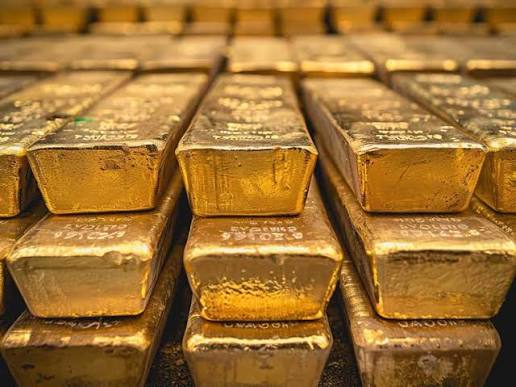
This institutional buying has provided a strong floor for gold prices, even as retail investor sentiment has fluctuated. The combination of official sector demand and ongoing geopolitical risks continues to support the bullish case for gold in the medium to long term .
Key Takeaways for Your Portfolio
Short-Term Outlook
Gold’s rally may continue if diplomatic progress holds. The next few weeks will be critical as Iran and Oman work to finalize the shipping route agreement. Any concrete steps toward implementation could push gold higher, while delays or setbacks might trigger a pullback .
Long-Term Strategy
Diversify with gold as a hedge against inflation and currency risks. Even if the current rally fades, gold’s role as a portfolio diversifier remains intact. Many financial advisors recommend allocating 5-10% of investment portfolios to precious metals as protection against market volatility and currency devaluation .
Risks to Monitor
Watch for oil price spikes or renewed Middle East tensions. The region remains fragile, and any escalation could quickly reverse the gains seen in both oil and gold markets. Additionally, keep an eye on U.S. economic data, particularly inflation reports and Federal Reserve statements, as these will heavily influence gold’s direction in coming months .
Market Context: How We Got Here
The current gold rally comes after a challenging period for precious metals. Earlier in 2026, gold faced pressure from rising interest rates and a strong dollar. However, the landscape has shifted dramatically in recent weeks .
The Strait of Hormuz disruption had been a major concern for energy markets since May 2026, when conflict-related issues triggered the largest oil market shock in history . The proposed Iran-Oman agreement represents the first concrete step toward resolving this crisis, which explains why markets have responded so positively.
Oil prices have fallen below $80 per barrel as hopes for the Strait reopening have grown, creating a more favorable environment for gold and other risk assets . This correlation between oil and gold has been particularly strong in 2026, with both metals responding to the same geopolitical and economic drivers .
Final Thoughts
Gold’s seven-week peak isn’t just a number—it’s a signal of market confidence returning after a period of uncertainty. For investors, this rally offers both opportunity and caution. The diplomatic progress in the Middle East is encouraging, but markets remain sensitive to any hint of trouble.
Stay tuned to diplomatic developments; they’ll dictate whether gold holds these gains or retreats. The Iran-Oman shipping route agreement could be finalized within days, according to recent reports, which would mark a significant milestone in efforts to stabilize the region .
For those looking to capitalize on gold’s momentum, consider dollar-cost averaging into positions rather than chasing the current rally. This approach helps manage risk while still allowing participation in potential upside. Remember that gold’s role in a portfolio is primarily as a hedge and diversifier, not as a primary growth driver .