Oil Prices Surge: 5 Critical Reasons Behind the Latest Global Shock
Global oil prices are moving higher as fresh tensions in the Middle East raise concerns about the safety of vital oil shipments. The latest developments have put traders and energy markets on alert, particularly because a large amount of crude oil moves through the region’s major shipping routes. As uncertainty grows, investors are watching closely for any sign that the disruption could affect the wider global supply of crude.
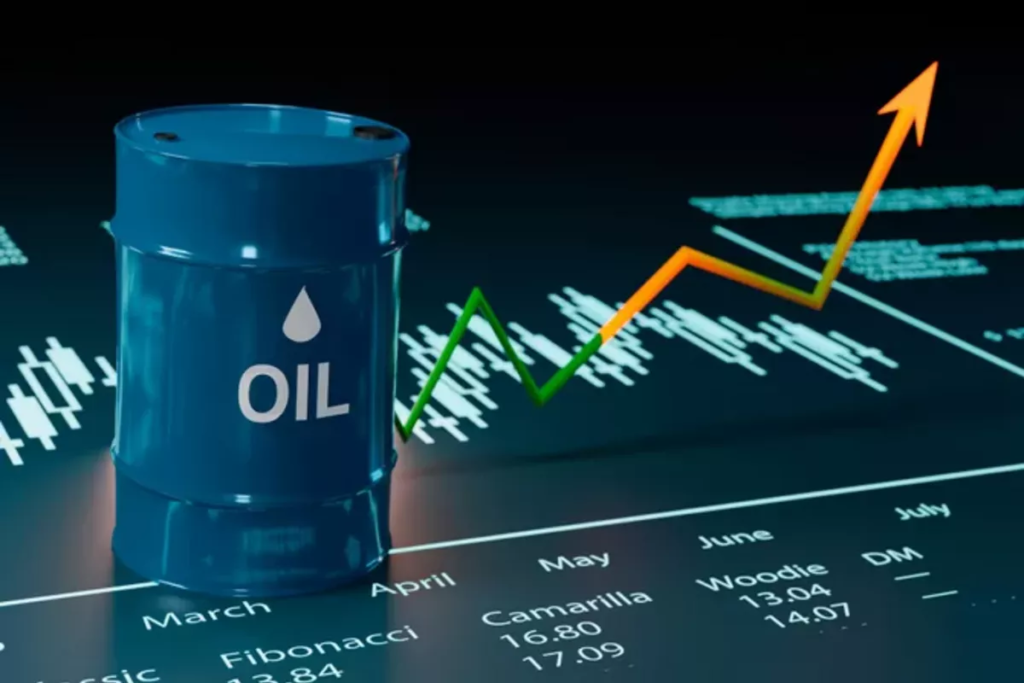
Brent crude has climbed to around $97.47 a barrel, while U.S. West Texas Intermediate (WTI) has risen to about $92.26 a barrel. The move has brought Brent close to the important $100 level, a price that can have a noticeable impact on fuel costs, transportation expenses and inflation if it remains elevated for an extended period.
The latest situation is closely linked to developments around the Strait of Hormuz, one of the world’s most important energy shipping routes. Any prolonged disruption in the area could create additional pressure on the global oil market. Here are five major factors behind the latest rise in oil prices.
1. Rising Middle East Tensions Are Increasing Market Pressure
Growing tensions between the United States and Iran have added another layer of uncertainty to the global energy market. Recent attacks involving vessels in and around the region have increased concerns over whether oil tankers can continue moving safely through important maritime routes.
Oil markets are particularly sensitive to geopolitical events because traders react quickly when there is a possibility of supply disruption. Even before an actual shortage develops, concerns about future supplies can push crude prices higher as buyers and investors prepare for a potentially tighter market.
The situation has therefore created a risk premium in the oil market. Traders are not only looking at the amount of crude currently available but are also considering what could happen if the conflict expands or shipping activity becomes more difficult.
2. The Strait of Hormuz Remains a Major Concern
The Strait of Hormuz plays a crucial role in the international energy trade. Oil-producing countries in the Gulf rely heavily on this narrow waterway to send crude and other energy products to customers around the world.
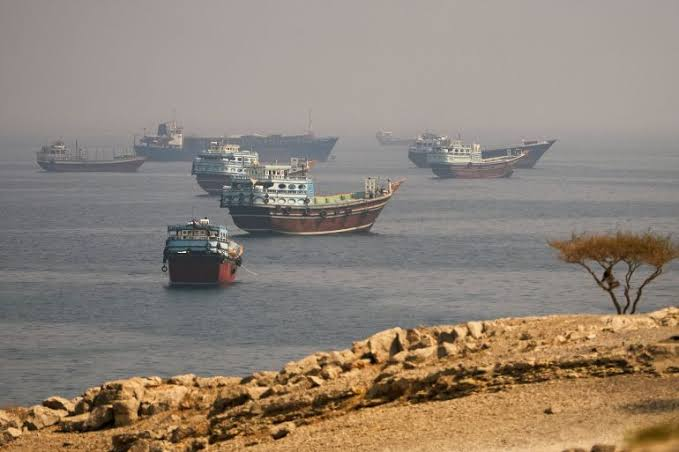
Recent reductions in shipping activity have increased concerns about possible delays. If fewer vessels are able or willing to pass through the route, oil supplies could take longer to reach international markets.
That uncertainty is important for oil prices because energy traders constantly balance available supply against expected demand. When the movement of crude becomes less predictable, prices can rise as markets account for the possibility of tighter supplies.
3. Brent Crude Is Getting Close to the $100 Mark
The rise in Brent crude is one of the clearest signs of how strongly the market is reacting to the latest developments. Brent has moved to approximately $97.47 per barrel, leaving it only a short distance from the $100 mark.
The $100 level is closely watched by traders because it represents a major psychological threshold. A sustained move above that level could increase pressure on fuel markets and raise costs for industries that depend heavily on oil.
For ordinary consumers, higher crude prices can eventually translate into more expensive gasoline, diesel and transportation. Businesses may also face increased delivery and production costs, especially if energy prices remain high for several weeks or months.
4. Risks to Oil Infrastructure Are Adding More Uncertainty
The concerns are not limited to ships and sea routes. Oil infrastructure in the wider region also remains an important part of the market’s calculations.
Any attack or damage involving refineries, terminals, pipelines or other energy facilities could affect the ability of producers to process and transport crude. Even when actual production remains stable, problems at key facilities can make the movement of oil more complicated.
This is why traders are paying attention to developments across the region rather than focusing on a single location. The more parts of the energy supply chain that come under pressure, the greater the potential impact on global oil prices.
5. A Longer Disruption Could Push Prices Even Higher
The biggest question for energy markets is how long the current uncertainty will continue. If shipping activity returns to normal and tensions ease, some of the recent gains in crude prices could disappear.
However, a prolonged disruption could produce a very different outcome. Continued problems around major shipping routes could reduce the flow of crude to international buyers and increase concerns about available supplies.
Some market analysts have already warned that oil could move substantially higher if attacks and shipping disruptions become more severe. At the same time, prices could retreat if exports and transportation return to normal. This makes the next few days particularly important for traders and energy companies.
What Could Higher Oil Prices Mean for Consumers?
A sharp increase in oil prices does not remain limited to financial markets. Crude oil is used directly and indirectly across many parts of the economy, so prolonged price increases can eventually affect households and businesses.
The most visible impact can come through fuel prices. Higher crude costs can put pressure on gasoline and diesel prices, increasing the amount people spend on transportation. Companies that rely on trucks, ships and aircraft may also see their operating costs rise.
Those higher expenses can then move through supply chains. When transportation and production become more expensive, businesses may increase the prices of goods and services to protect their margins. This is why a sustained rise in crude prices can become a wider economic issue rather than simply an energy-market story.
OPEC+ Remains Important for the Oil Market
Oil traders are also keeping an eye on OPEC, which includes some of the world’s largest oil-producing countries. Decisions by major producers can have a significant influence on the balance between global supply and demand.
If producers increase output, additional barrels could help reduce some pressure on the market. On the other hand, limited production growth could leave prices more sensitive to any disruption in international supply.
The response from major oil-producing countries will therefore be an important factor in determining where oil prices go next.
What Happens Next?
The future direction of oil prices will depend heavily on developments in the Middle East and the movement of ships through important regional routes. Markets are likely to remain sensitive to any new attacks, changes in shipping activity or signs that crude exports could be affected.
If tensions continue to increase, traders could push prices higher because of growing fears about supply security. A prolonged disruption could also make the $100-a-barrel level easier to reach.
On the other hand, a reduction in tensions and a return to normal shipping could ease some of the pressure. In that situation, traders may begin removing the risk premium that has recently been added to crude prices.
Final Takeaway
The latest jump in oil prices shows just how quickly geopolitical tensions can affect global energy markets. Brent crude is now close to $100 a barrel, while WTI has also moved sharply higher as traders assess the risks surrounding oil shipments and regional infrastructure.
For consumers, businesses and investors, the biggest issue is not simply today’s price. The more important question is whether the disruption will remain temporary or develop into a longer supply problem. If the situation stabilizes, prices could cool. If tensions continue to disrupt shipping and energy infrastructure, the global oil market could face even greater pressure in the days ahead.