AI is transforming Multimedia Content Processing
A video may look like a simple file when you press play. You see images, hear voices, and perhaps notice music or background sounds. But inside that same file can be a huge amount of useful information.
A recorded meeting can contain decisions. A customer interview can reveal repeated complaints. A lecture can include hours of valuable explanations. A product video can show details that would be difficult to capture from a written description alone.
The problem is finding that information quickly.
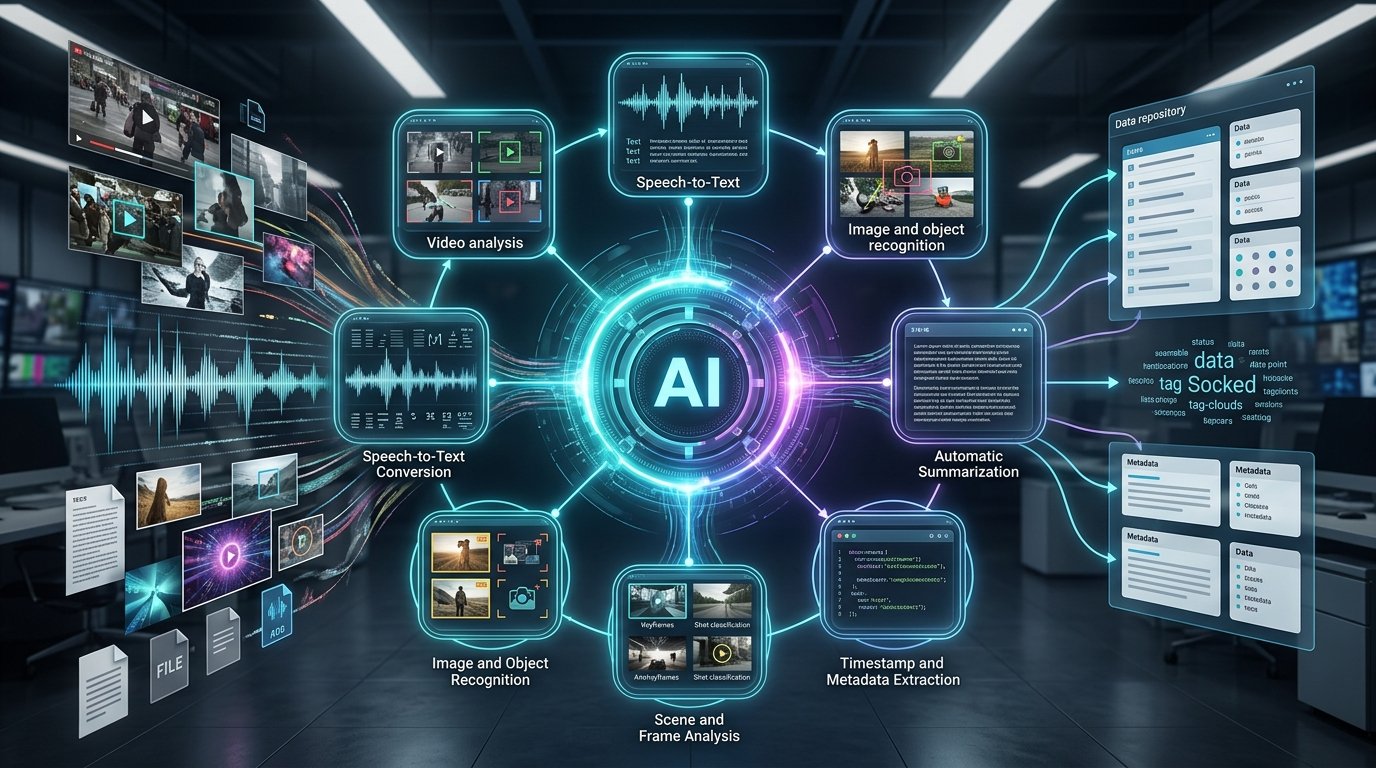
This is where AI multimedia content processing is becoming increasingly useful. Instead of treating video, audio, images, and text as separate pieces of content, modern systems can examine different types of information together and turn them into searchable, structured data.
That shift is changing the way companies store, understand, search, and reuse digital content.
Why Multimedia Content Is Becoming Easier to Search
For years, businesses have relied on data formats that are relatively easy to organize, such as spreadsheets, databases, forms, and documents.
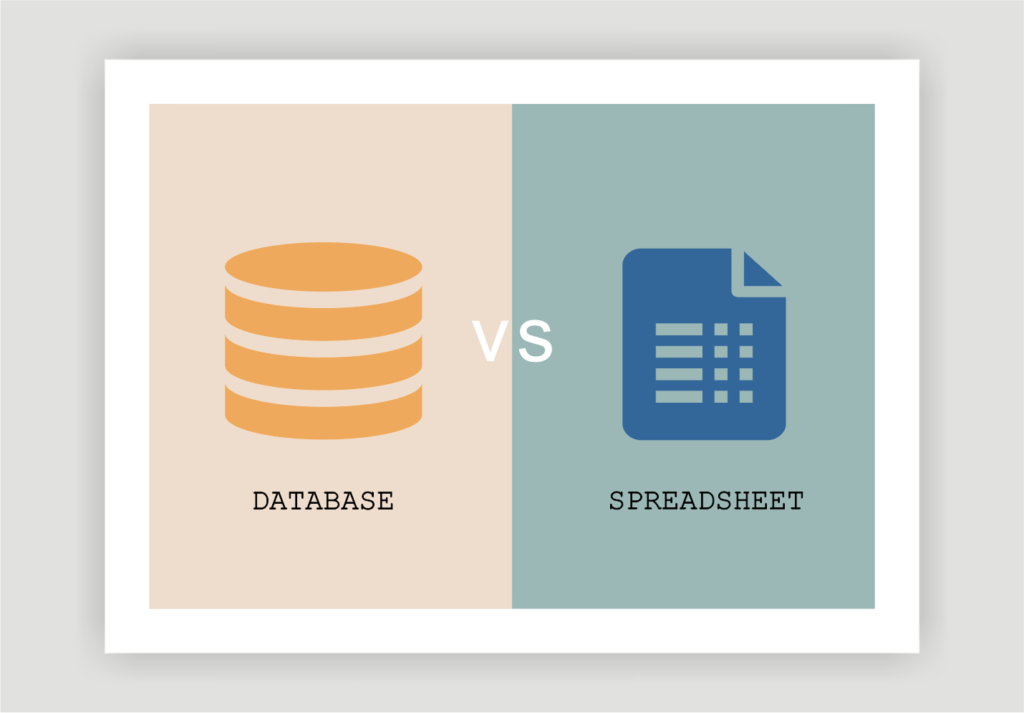
Video and audio are different.
Imagine a company has hundreds of recorded customer interviews. Finding one sentence from a particular conversation could require watching hours of footage. The information exists, but it is difficult to reach.
AI multimedia content processing can help change that.
A system can convert speech into text, identify objects or scenes, organize timestamps, detect recurring topics, and create summaries. Once this information has been structured, a video library can become much easier to search.
Instead of asking someone to watch an entire recording, a team may be able to search for a particular phrase, topic, speaker, or moment.
That makes multimedia more useful than simply being stored on a server.
1. AI Can Turn Video Into Structured Data
One of the biggest advantages of AI multimedia content processing is its ability to extract information from video.
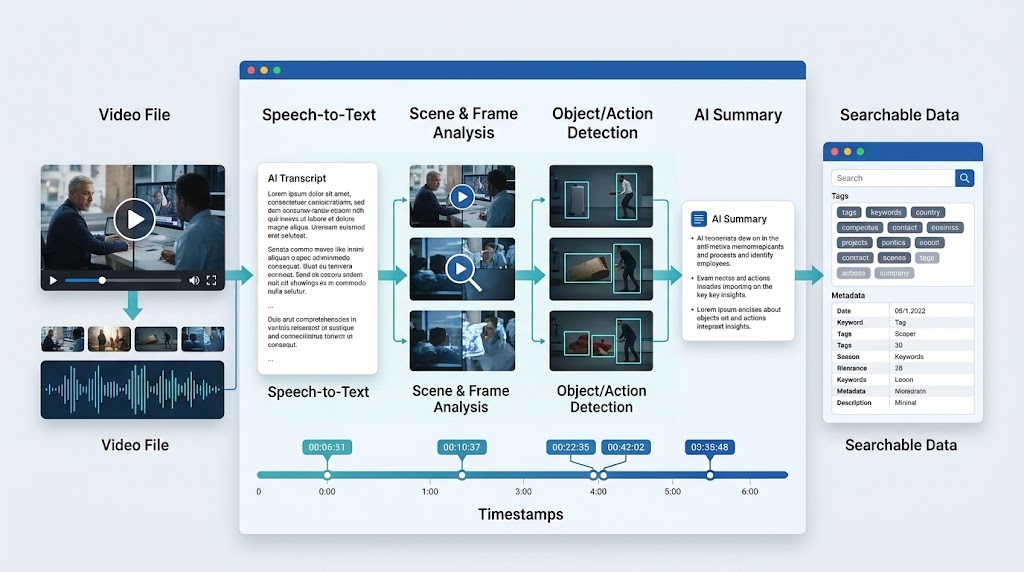
A typical workflow may involve several stages:
- Preparing the video or audio file
- Separating audio from video
- Converting speech into text
- Examining individual frames and scenes
- Identifying important objects or actions
- Organizing timestamps
- Creating summaries
- Producing searchable information
The goal is not simply to “watch” a video.
The system processes different parts of the content and converts them into information that can be searched, analyzed, and reused.
For businesses managing large content libraries, this can make a significant difference.
2. Audio Can Become Searchable Information
Speech is one of the most valuable parts of many videos, but it can be difficult to search when it remains inside a recording.
Transcription changes that.
With AI multimedia content processing, spoken conversations can be converted into text that teams can search and organize.
For example, a company with 500 customer interviews could search transcripts for terms such as “delivery problem,” “pricing,” “refund,” or a specific product name.
This is much faster than manually opening every recording.
Transcripts can also be used for:
- Finding specific statements
- Creating subtitles
- Translating conversations
- Identifying recurring topics
- Creating meeting notes
- Preparing articles
- Producing social media content
- Building searchable archives
The value comes from making information easier to find and work with.
3. File Conversion Can Improve the Workflow
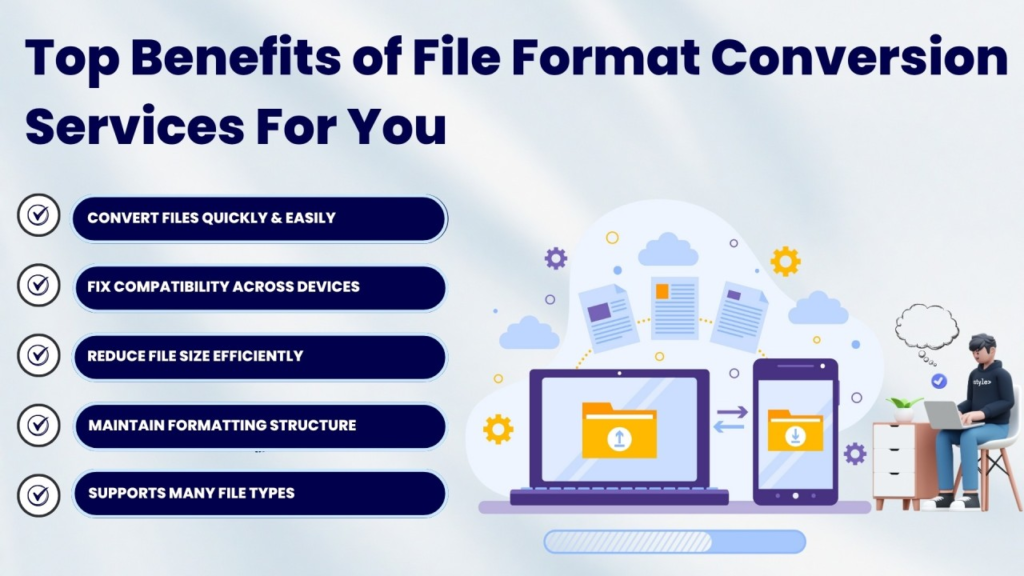
There is another part of multimedia processing that is easy to overlook: file compatibility.
Not every application accepts the same formats. A video may contain useful speech, but a particular workflow may only need the audio track.
In that situation, converting an MP4 video into a WAV audio file, for example, can make the next stage simpler.
The original source article highlights file conversion as an important part of preparing multimedia for processing. It also points out that different services can support different media formats.
This means AI multimedia content processing is not only about the model doing the analysis. The quality of the workflow also depends on providing suitable files in formats the next tool can handle.
A cleaner workflow can reduce unnecessary processing and make large content operations easier to manage.
4. Businesses Can Find Information Inside Large Video Libraries
Large organizations often have years of recorded content.
Think about:
- Training sessions
- Sales calls
- Customer interviews
- Webinars
- Conferences
- Product demonstrations
- Internal meetings
- Educational recordings
Without proper organization, valuable information can remain buried inside those files.
AI multimedia content processing can help turn a large collection of recordings into a more searchable information source.
Instead of searching only by filename or upload date, teams can potentially search based on what was actually said or shown.
For example, a marketing department could look for every recording where customers discussed a particular product feature.
That changes the role of a video archive. It becomes less like a storage folder and more like an information resource.
5. Education Can Benefit From Smarter Content Processing
Education is another area where multimedia processing can be useful.
A long lecture can contain explanations, examples, questions, and important definitions. Students may not always have time to watch the entire recording again when they need one particular topic.
Using AI multimedia content processing, lecture recordings can be converted into transcripts, summaries, searchable sections, and study material.
A student could potentially search for a particular concept rather than manually moving through an entire recording.
Teachers and educational organizations can also use processed content to create captions, notes, or alternative formats.
This can make existing educational material easier to access without requiring the original content to be recreated from scratch.
6. Customer Service Can Turn Conversations Into Useful Insights
Customer service teams deal with huge amounts of conversational data.
Phone calls, video meetings, interviews, and recorded support sessions can contain useful information about customer expectations and common problems.
Manually reviewing every conversation is difficult and expensive.
AI multimedia content processing can help identify recurring subjects across large collections of recordings.
For example, a business may discover that customers frequently mention:
- Difficult checkout processes
- Delivery delays
- Confusing product instructions
- Pricing concerns
- Repeated technical problems
These patterns can give businesses a clearer picture of what customers actually experience.
The important point is that the technology does not create the underlying customer feedback. It helps organizations find patterns inside information they already have.
7. Content Creators Can Repurpose Long Videos
Long-form content often contains more value than can fit into a single piece of content.
A one-hour interview might become:
- Several short clips
- A written article
- Social media posts
- Captions
- Quotes
- A summary
- Searchable notes
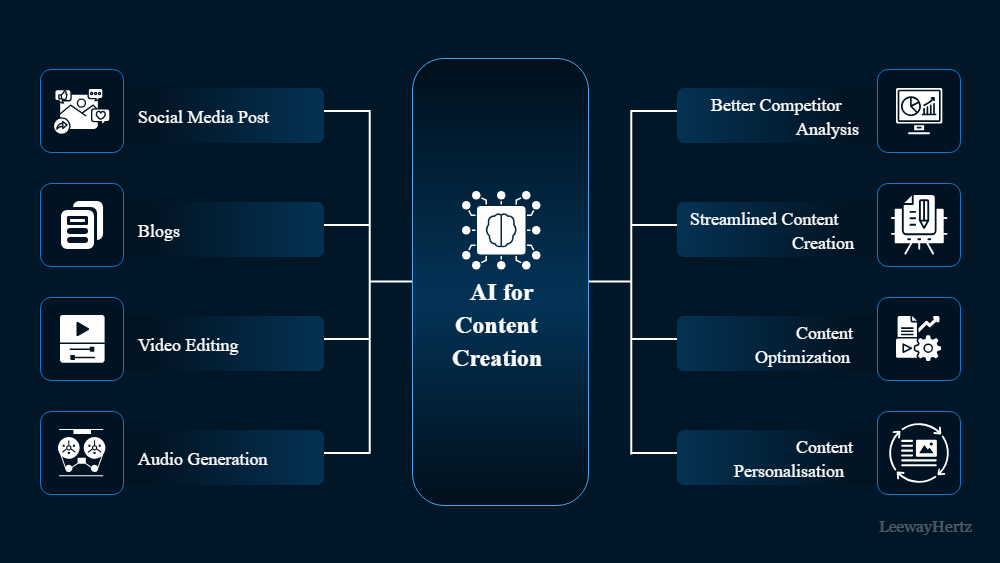
This is another practical use of AI multimedia content processing.
Instead of starting from zero every time, creators can work from the information already contained in a recording.
For businesses and publishers, this can make existing content more useful across different platforms.
It also helps explain why the move from “video to data” is important. The goal is not necessarily to replace the original video. It is to make the information inside it easier to reuse.
The Quality Problem Still Matters
Despite its advantages, AI multimedia content processing is not automatically accurate.
The quality of the original material matters.
Background noise can make speech recognition difficult. Two people speaking at the same time can create transcription problems. Poor lighting or blurry footage can affect visual analysis.
A system may also misunderstand context, names, accents, technical terms, or unclear speech.
That is why businesses should not assume that every automatically generated result is ready to publish or use immediately.
Good preparation can include:
- Choosing an appropriate file format.
- Extracting only the information needed for a particular task.
- Preserving useful audio and visual quality.
- Checking privacy and permissions.
- Reviewing important outputs before making decisions.
The original source also emphasizes that better input quality can directly affect the usefulness of the final result.
3 Risks Businesses Should Watch
The growth of multimedia processing also brings several concerns.
1. Privacy
Videos and recordings can contain faces, voices, private conversations, customer details, and other sensitive information.
Organizations should understand how their content is stored, processed, and accessed before sending large collections of recordings into a processing system.
2. Accuracy
A transcript or summary can contain mistakes.
That may be harmless in some situations, but an error could become serious when the information is being used for business decisions, customer records, compliance, or other important purposes.
Human review still matters.
3. Data Security
Multimedia files can contain valuable company information.
Organizations should consider who can access processed files, how long information is retained, and what security controls are in place.
The more content becomes searchable, the more important responsible data management becomes.
What the Future Could Look Like
The future of AI multimedia content processing is likely to involve more than simply converting speech into text.
As systems become better at working with different types of information together, businesses may be able to search video based on conversations, objects, scenes, topics, and other details from the same recording.
That could make large multimedia libraries much easier to navigate.
A recorded meeting, for example, could eventually become a structured resource containing speakers, topics, decisions, timestamps, summaries, and related visual information.
The biggest change is therefore not just better video analysis.
It is the possibility of turning previously difficult-to-search content into information that people can actually use.
Final Thoughts
AI multimedia content processing is changing the way organizations think about video, audio, images, and other digital content.
A recording does not have to remain a file that someone watches from beginning to end. With the right workflow, the information inside that recording can be transcribed, organized, searched, summarized, and reused.
From customer service and education to media production and content creation, the potential applications are broad.
But better technology does not remove the need for good data, careful review, privacy protection, and responsible handling of information.
The real opportunity is simple: instead of allowing valuable information to remain hidden inside thousands of files, businesses can make that information easier to find and put to work.