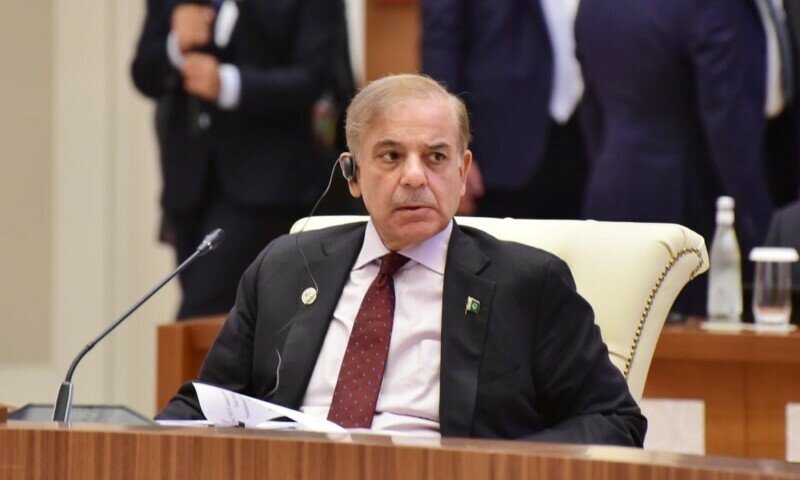
Pakistan Sets Out Priorities for Stronger Regional Cooperation
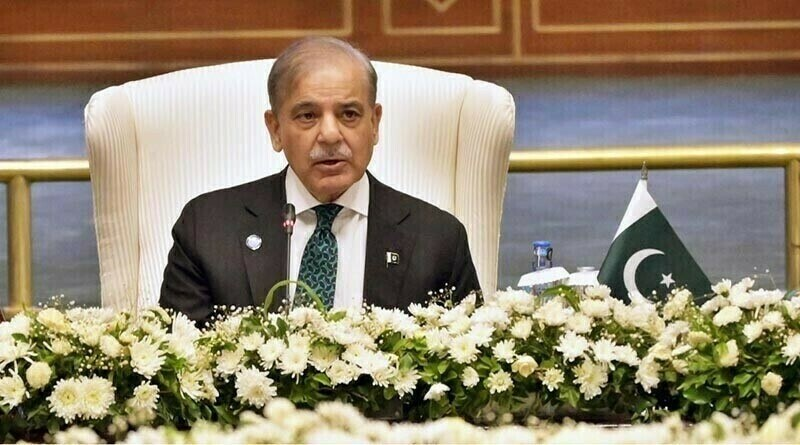
Prime Minister Shehbaz Sharif has highlighted the importance of peace, regional cooperation and stronger economic ties during the Shanghai Cooperation Organisation (SCO) summit in Bishkek, Kyrgyzstan. His address covered several important issues, including water security, terrorism, regional connectivity, artificial intelligence, economic development and diplomatic efforts to reduce tensions in the region.
The summit provided Pakistan with an important opportunity to present its priorities and explain how it plans to contribute to the organisation during its upcoming chairmanship. Pakistan is set to lead the SCO Council of Heads of State for the 2026–27 period.
Water Security Becomes a Major Concern
Water security was one of the key issues raised by PM Shehbaz Sharif during the summit. He stressed that shared water resources should be managed responsibly and should not become a source of political pressure between countries.
The prime minister also referred to the Indus Waters Treaty between Pakistan and India. The agreement has remained an important part of discussions between the two neighbouring countries because millions of people depend on water resources connected to the Indus River system.
Pakistan has consistently maintained that international agreements should be respected. The issue is particularly important for agriculture, food production and the country’s wider economy.
Pakistan Prepares for SCO Leadership
Pakistan’s upcoming SCO chairmanship is expected to give Islamabad a greater role in promoting cooperation among member states. The country is also scheduled to host the next SCO summit.
During its chairmanship, Pakistan wants to focus on practical areas that can benefit people across the region. These include technology, artificial intelligence, energy, healthcare, poverty reduction, disaster management, culture and sports.
The government has also proposed greater cooperation in artificial intelligence. A framework for sovereign AI infrastructure and governance was among the ideas presented by Pakistan.
The growing importance of AI means that cooperation in this field could help member states improve digital services, education, business and public-sector systems.
Economic Connectivity Can Boost Regional Trade
PM Shehbaz Sharif also emphasized the importance of regional connectivity. Better roads, railways, energy networks and trade routes can help countries increase economic activity and improve access to international markets.
Pakistan sees its geographical position as an important advantage. Through projects connected with the China-Pakistan Economic Corridor, the country aims to strengthen links between regional markets and the Arabian Sea.
Improved connectivity could also support trade between SCO countries and create new opportunities for businesses. Stronger transport and energy connections may help reduce costs and make regional commerce easier.
Pakistan also supports efforts to strengthen the SCO Development Strategy through 2035 and has highlighted the potential value of financial institutions that could support development projects among member countries.
Fight Against Terrorism Remains Important
Security cooperation was another major part of the discussions. Pakistan has emphasized its experience in dealing with terrorism and the sacrifices made during its fight against militant violence.
PM Shehbaz called for stronger cooperation between SCO members to address terrorism and related security challenges. He also highlighted the need for countries to work together instead of allowing security problems to create further instability in the region.
Afghanistan also remains an important regional issue. Pakistan has called for a peaceful and stable Afghanistan and has continued to emphasize the importance of preventing terrorist groups from using Afghan territory for attacks against neighbouring countries.
Pakistan’s role in the SCO Regional Anti-Terrorist Structure could provide another platform for cooperation on these security concerns.
Islamabad MoU Gets Attention
Pakistan’s diplomatic efforts regarding tensions between the United States and Iran were also highlighted. The Islamabad Memorandum of Understanding signed in June 2026 has been presented as an important part of Pakistan’s diplomatic engagement.
Pakistan has continued to support dialogue as a way of reducing tensions and encouraging peaceful solutions. The country has also sought to maintain communication with different regional partners during periods of heightened uncertainty.
The implementation of agreements such as the Islamabad MoU could be important for maintaining diplomatic progress and encouraging further discussions between the parties involved.
PM Shehbaz Calls for Greater International Cooperation
During the SCO Plus meeting, the prime minister also discussed broader international issues. He called for reforms that could make international institutions more representative and responsive to global challenges.
The situation in Gaza and the occupied West Bank was also raised. Pakistan has continued to support international efforts aimed at protecting Palestinian rights and finding a peaceful resolution to the conflict.
These issues show that Pakistan’s foreign policy discussions at the SCO are not limited to economic matters. Islamabad is also seeking a greater diplomatic role on major regional and international challenges.
Ishaq Dar Holds Important Bilateral Meetings
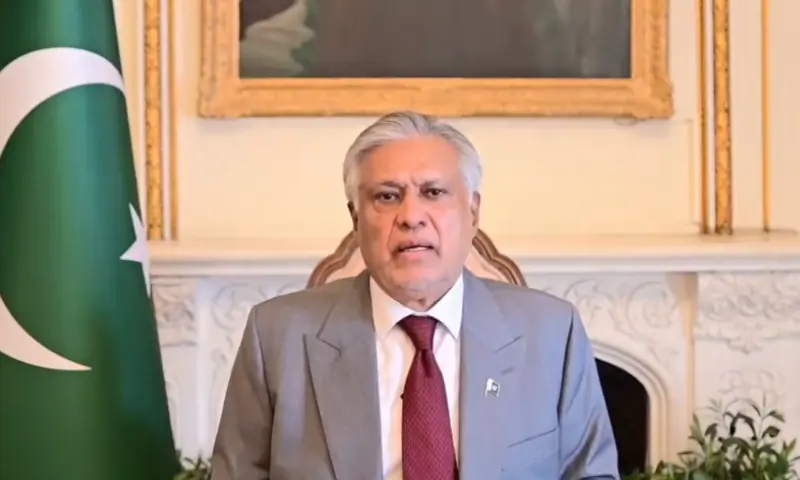
Deputy Prime Minister and Foreign Minister Ishaq Dar also held meetings with several regional leaders and foreign ministers on the sidelines of the SCO summit.
Among his engagements was a meeting with Iranian Foreign Minister Abbas Araghchi. The two officials discussed bilateral relations, regional developments and the importance of implementing the Islamabad MoU sincerely.
Such meetings are important because they allow Pakistan to discuss issues directly with partner countries while also exploring opportunities for stronger economic and diplomatic cooperation.
What Pakistan’s SCO Chairmanship Could Bring
Pakistan’s new role in the SCO comes at a time when the region faces several interconnected challenges. Water security, terrorism, economic development, energy needs, technology and regional conflicts all require cooperation between countries.
The 2026–27 chairmanship therefore gives Pakistan an opportunity to promote practical initiatives and encourage dialogue among SCO members. Its proposed focus on AI, connectivity, economic development and security could help strengthen Pakistan’s role within the organisation.
The success of these plans will ultimately depend on cooperation between member states. If countries are able to turn discussions into practical projects, the SCO could provide greater opportunities for trade, technology, investment and regional stability.
For Pakistan, the upcoming chairmanship represents an important diplomatic opportunity. By focusing on cooperation, connectivity and peaceful dialogue, Islamabad can seek to strengthen its relationships with regional partners while promoting its interests on the international stage.