
Google Finally Removes Gemini Watermarks:
Google has introduced a new setting that allows users to remove the visible watermark from images created with its Nano Banana image generator. The change gives creators more control over their AI-generated content and makes the final result look cleaner. The same option will also be available for videos created with Gemini Omni and songs produced with Lyria. However, Google will continue using invisible identification technology to support transparency and responsible AI use.
Google Makes Gemini Watermarks Optional
Google’s Nano Banana image generator has become popular because it can create detailed and visually appealing images. Until now, the tool placed a visible watermark in the bottom-right corner of every generated image. Some users found this mark distracting, especially when they wanted to use the image in a blog post, presentation, social media design, or marketing project.
With the latest update, Google is giving users the choice to keep or remove the visible Gemini watermark. This change means creators can decide how their final content should appear instead of receiving every file with the same visible mark.
New Setting Available in Gemini and Flow
The watermark removal option is being added to the Gemini app and Google’s Flow platform. Users will be able to check the relevant setting before creating or downloading their content. The feature is also expected to arrive in Google Search’s AI Mode soon.
Availability may depend on the user’s location, account, platform, and the type of content being generated. People who cannot see the option immediately may need to wait until Google completes the wider rollout.
Watermarks Can Also Be Removed from Videos
The update is not limited to still images. Google is also extending the option to videos created with Gemini Omni. This could be useful for video creators who want to use AI-generated clips in social media posts, short films, advertisements, and other digital projects.
A visible mark can sometimes interrupt the design of a video or make it less suitable for professional use. Giving users more control can help them create cleaner visual content while still allowing Google to maintain hidden identification systems.
Lyria Songs Get the Same Option
Songs created with Google’s Lyria technology will also support visible watermark removal. This is an important change for users who experiment with AI-generated music, background tracks, podcasts, and online videos.
Creators may prefer music without an obvious label in the final version, particularly when the audio is used as part of a larger production. Even so, users should follow the terms of the relevant Google service before using AI-generated music for commercial work.
Invisible SynthID Watermarks Remain Active
Removing the visible watermark does not mean that Google is removing all identification from AI-generated content. The company will continue using invisible SynthID watermarks and C2PA metadata.
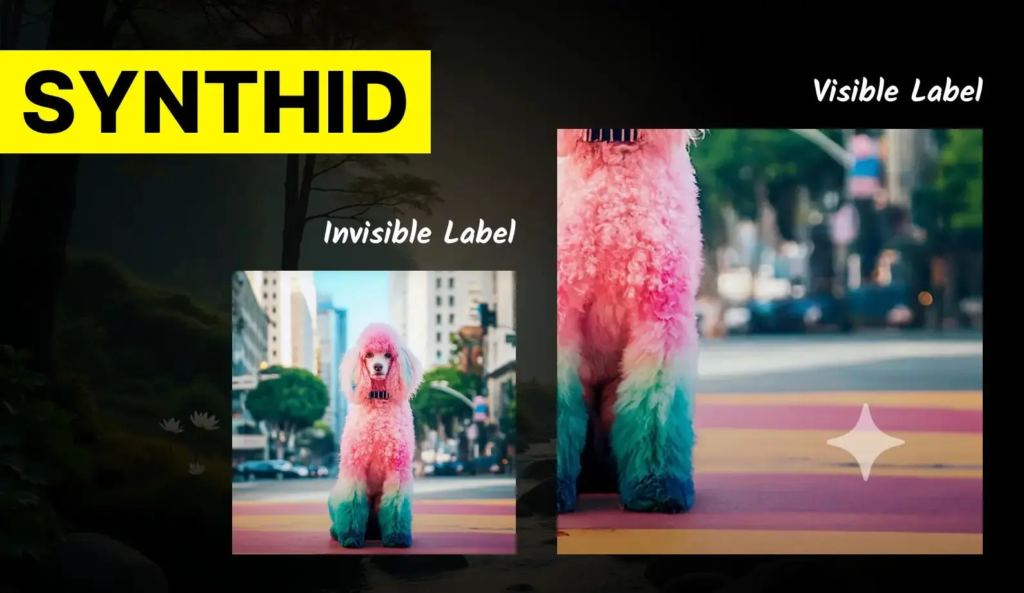
These systems are designed to identify content created or edited with artificial intelligence. They normally do not appear on the screen, so they do not affect the visual design or listening experience. At the same time, they can provide useful information about the origin of the content.
Gemini Can Still Detect AI-Generated Images
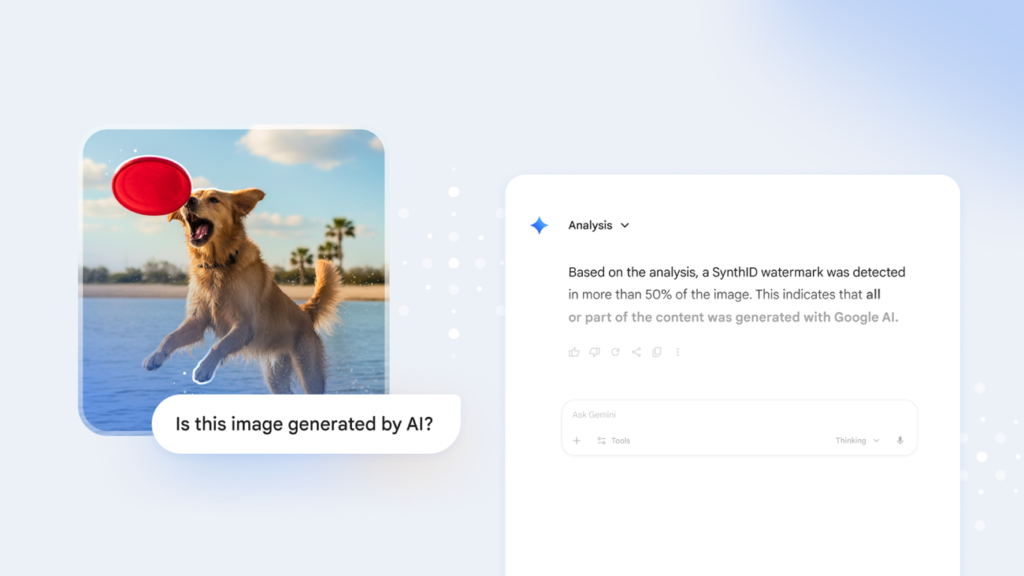
Google says users can still ask Gemini whether an image was generated by artificial intelligence. If the system identifies the content as AI-created, it can provide that information.
This feature is useful for people who want to check the background of an image before publishing or sharing it. It also shows that removing a visible label does not necessarily remove the digital information connected to the file.
Legal Restrictions May Apply
The watermark removal option may not be available everywhere. Google has stated that visible watermarks may remain in countries where local laws require AI-generated content to carry an identification mark.
For this reason, users should not assume that the setting will work in every region. Legal requirements, Google’s policies, and platform availability can affect the final result.
What This Update Means for Creators
The new feature could benefit bloggers, designers, video editors, musicians, advertisers, and social media managers. Cleaner images and videos can be easier to use in thumbnails, articles, advertisements, presentations, and promotional campaigns.
However, creators should remain honest when publishing AI-generated work. Removing a visible watermark should not be treated as permission to present AI-created content as entirely human-made. Proper disclosure may still be necessary depending on the platform, audience, project, or local rules.
Final Thoughts
Google’s decision to make Gemini watermarks optional is a positive update for people who use Nano Banana, Gemini Omni, and Lyria. Users can now create content without an unwanted visible mark, while invisible SynthID watermarks and C2PA metadata remain active in the background.
The feature offers a practical balance between creative freedom and content transparency. Users should check Gemini or Flow for the new setting and remember that the option may vary by country.


One thought on “Google Finally Removes Gemini Watermarks: A Major Positive Update for AI-Created Images 2026”