New Petrol And Diesel Prices In Pakistan
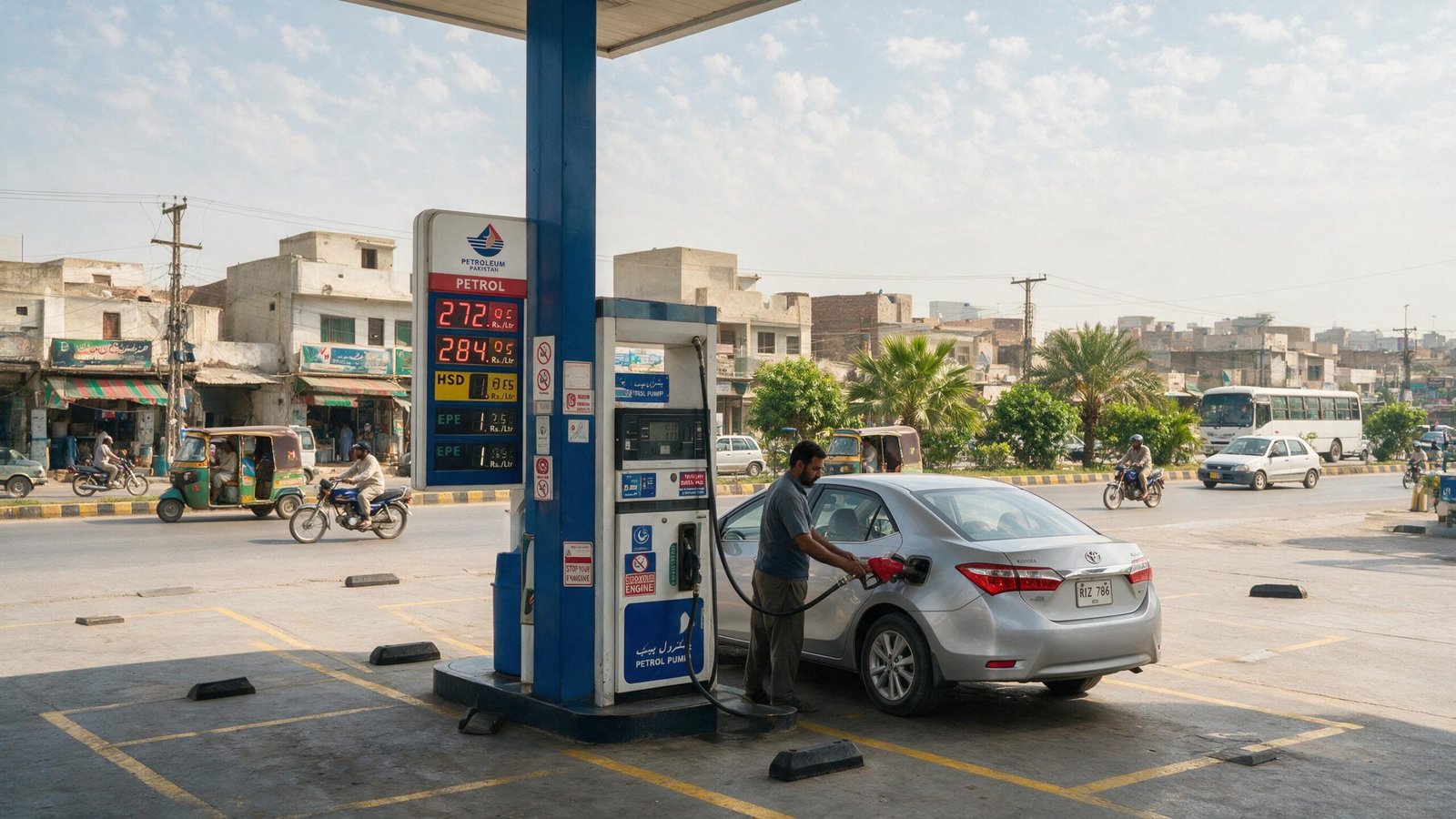
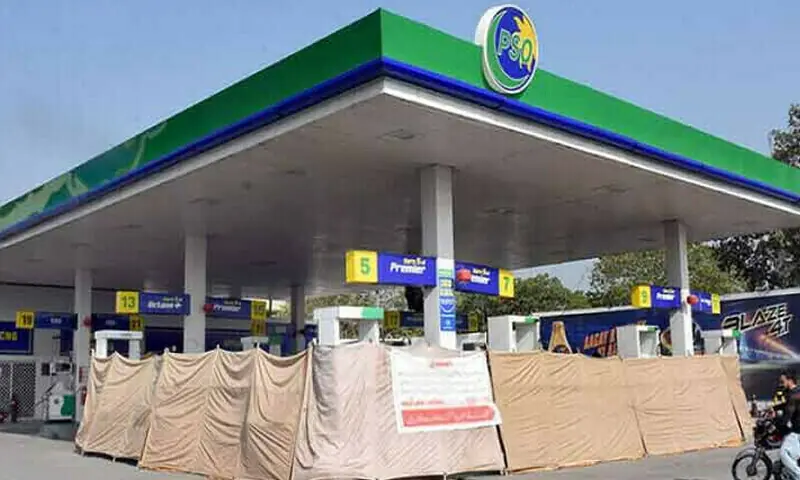
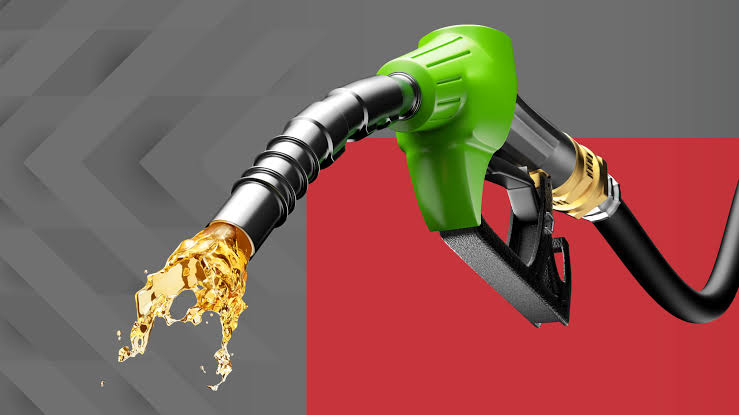
Pakistan has once again increased petrol and diesel prices, adding more pressure on people who are already dealing with high living costs. The government has raised petrol by Rs6.39 per litre and high-speed diesel by Rs7.83 per litre. After this revision, petrol now costs Rs327.12 per litre and diesel stands at Rs375.04 per litre. These new rates came into effect on 23 July and will affect transport, business activity, and household spending across the country.
Why Fuel Prices Increased
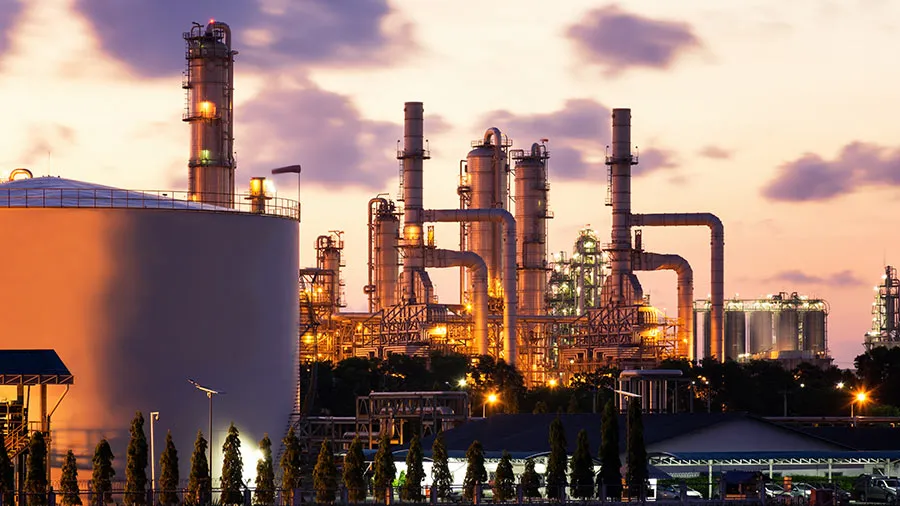
The main reason behind this increase is the instability in the global oil market. Tensions in the Persian Gulf and the overall rise in international crude oil prices have created pressure on Pakistan’s fuel system. Since Pakistan imports most of its fuel, any change in global oil prices quickly affects local rates as well. That is why fuel prices in the country often rise when international markets become uncertain.
Daily Fuel Pricing System Explained
This time, the government has not only increased prices but also changed the way fuel rates are adjusted. Petrol and diesel prices will now be updated on a daily basis. This means rates may change every day depending on international market trends. Supporters say this system is more transparent and reflects real market conditions. However, for ordinary consumers, it creates uncertainty because daily changes make budgeting and planning more difficult.
How The Price Hike Affects Ordinary People
The latest increase in fuel prices will directly affect daily life. People who use cars, motorcycles, rickshaws, or public transport will now pay more for travel. Diesel prices are also very important because they affect trucks, buses, and delivery vehicles. When transport becomes expensive, the prices of groceries, vegetables, medicines, and other basic goods also rise. Small businesses are especially affected because their operating and delivery costs increase, and many of those extra costs are passed on to customers.
Reaction From Petrol Pump Owners And Dealers
Petrol pump owners and fuel dealers have also raised concerns about the new daily pricing system. They say frequent price changes make it harder to manage stock, cash flow, and business operations. Dealers also worry about uncertainty in profit margins and supply management. Some had even considered a strike, but talks with the government led them to delay their protest for now.
What This Means For Pakistan’s Economy
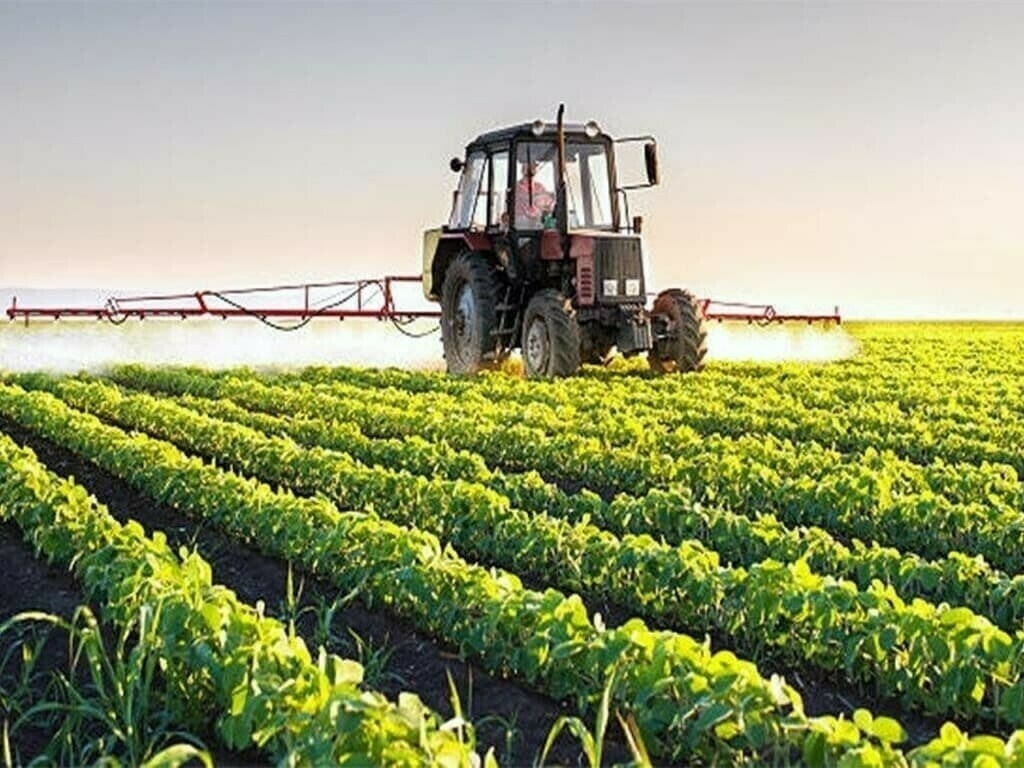
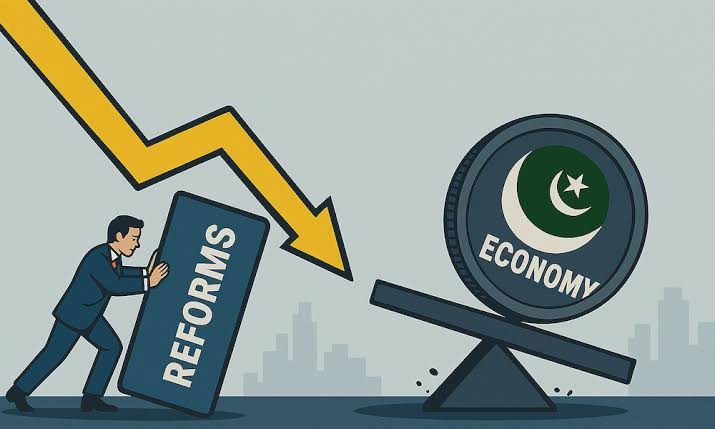
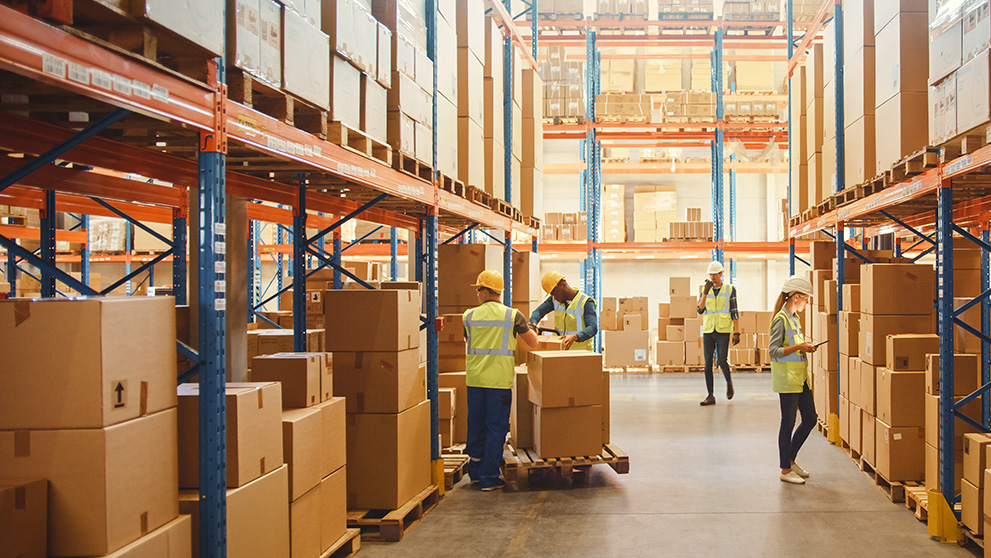
This fuel price hike is not just a transport issue. It has a wider effect on Pakistan’s economy because fuel is used in trade, logistics, agriculture, and industry. When diesel becomes more expensive, freight charges go up, and this increases the cost of moving goods across the country. In the end, inflation rises further, making life harder for families and businesses that are already under pressure.

Why This Change Matters
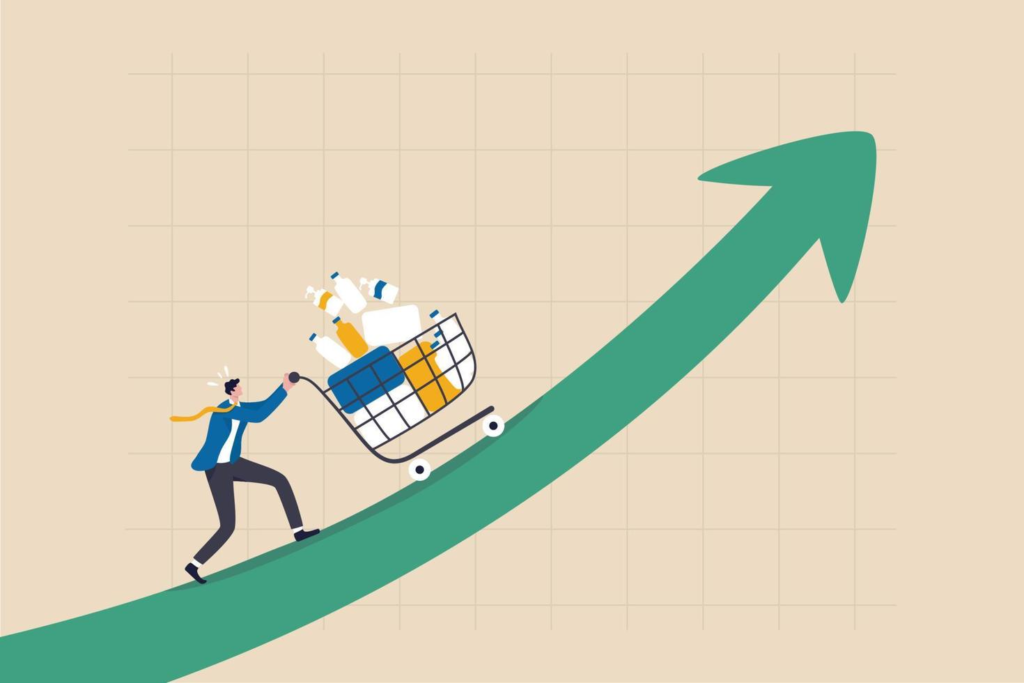
Fuel prices have a direct effect on everyday life in Pakistan because almost every product depends on transport. When petrol becomes expensive, people spend more on commuting, while higher diesel rates increase the cost of goods movement, delivery services, and freight charges. This quickly affects grocery prices, household budgets, and small business costs. For families with limited income, even a small fuel hike can make monthly expenses harder to manage. That is why fuel price changes are watched closely by the public, especially when the government moves to daily pricing updates.
How Readers Should See This Update
The new fuel pricing system may help the government adjust rates more quickly, but it also creates uncertainty for consumers. Many people want stable prices so they can plan travel and business expenses without daily surprises. Frequent changes make it harder for shopkeepers, transporters, and ordinary families to manage budgets. In this way, the petrol and diesel price hike is not only a market update; it is a daily life issue that affects the whole economy.
Conclusion
In simple words, the increase in petrol and diesel prices will affect almost every part of daily life in Pakistan. From travel costs to food prices, the impact will be felt by ordinary people across the country. The new daily pricing system may make rates more flexible, but it also adds more uncertainty for consumers. Until international oil prices become stable, fuel prices in Pakistan are likely to remain under pressure.