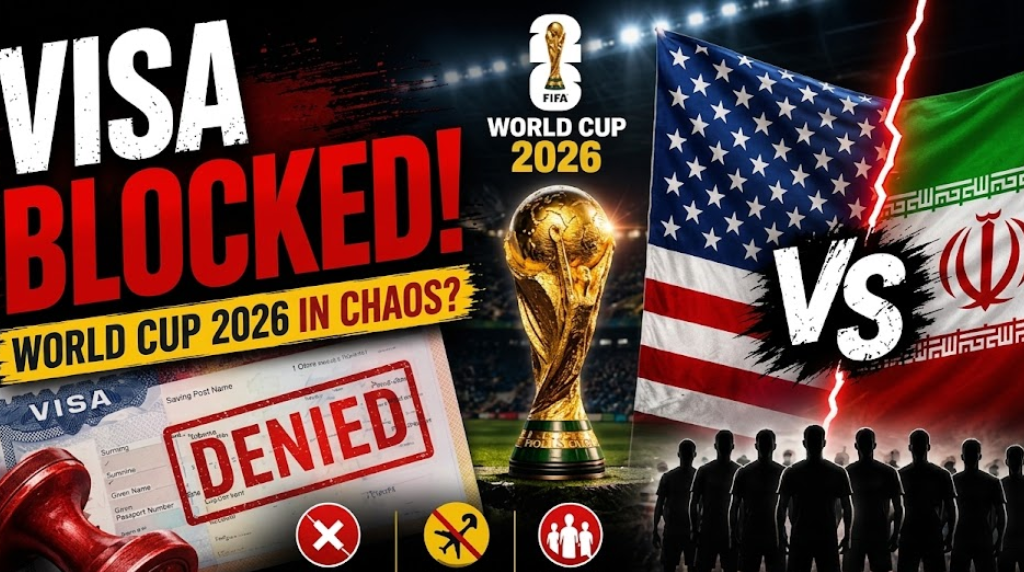
US Visa Rejections and the Iran War Keep 150,000 Fans Away from the 2026 World Cup
The Devastating Attendance Crisis That’s Shocking Global Football
The 2026 FIFA World Cup is facing a devastating attendance crisis that has shocked the global football community. More than 150,000 fans from Iran, Ghana, and 27 other countries are being blocked from attending what should be humanity’s greatest sporting celebration. This massive exclusion stems from two main factors: unusually high US visa rejection rates and the ongoing 100-day US-Israel war on Iran that has deterred fans worldwide from traveling to North America.
How Iran’s National Team Survived a Visa Nightmare
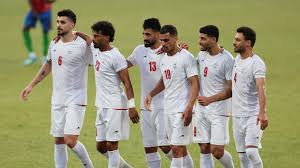
When Iran secured their World Cup spot in March 2026, the national football squad never expected their participation to depend on last-minute visa approvals from the tournament host nation. The Iranian team finally received their US visas just 10 days before their opening match against New Zealand in Los Angeles on June 15. This breakthrough came after Iranian players handed their passports to the US embassy in Ankara, Turkey, and the football federation president Mehdi Taj contacted FIFA directly. However, ordinary Iranian supporters remain stranded and unable to join their team in person.
The Three-Pronged Barrier That’s Blocking Iranian Fans
The barrier facing Iranian fans is three-pronged and nearly impossible to overcome. First, visa application fees range from 185 to 435 dollars, which represents months of earnings for many families in the Global South. Second, Iran faces equally high rejection rates alongside these expensive fees, creating a financial and bureaucratic nightmare. Third, a June executive order by President Donald Trump halted visa approvals for Iran and other nations labeled as state sponsors of terrorism. This executive order makes the situation even more difficult for Iranian citizens who want to support their national team.
Why Traveling to America Has Always Been Nearly Impossible for Iranians
For Iranian football enthusiasts, traveling to the United States has always been nearly impossible, even before the current visa issues or conflict arose. The combination of high fees, massive rejection rates, and the ongoing war creates an unwelcoming atmosphere that deters fans from all corners of the globe. The US-Israel war on Iran, which is now nearing its 100th day, has specifically discouraged fans globally from attending the World Cup hosted by the United States, Mexico, and Canada.
The PASS System: Hope That Falls Short of Solving the Problem
The PASS system offers hope but falls short of solving the problem. The United States introduced the FIFA Priority Appointment Scheduling System to accelerate visa interviews for World Cup ticket holders through FIFA. However, this system does not guarantee visa approval. This critical flaw leaves fans uncertain until the final days before the tournament begins. Many supporters from 27 countries face the same uncertainty and may never get their visas approved.
Recent Rejection Examples That Highlight the Severity of the Crisis
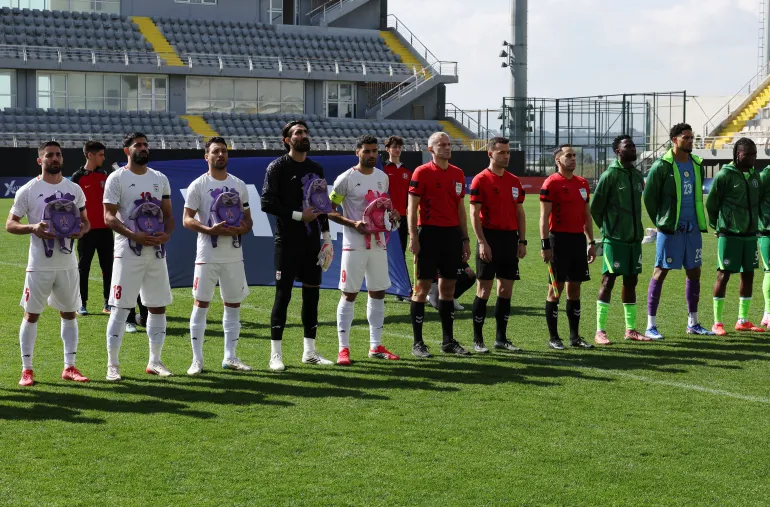
Recent rejection examples highlight the severity of the crisis. Nearly 150 fans from Ghana had their visa applications denied last month, leaving their national team’s supporters without representation. Reports from Iran indicate that while national team players received visas, some technical and administrative staff members still remain stranded without approval. Fans from 27 of the 48 participating World Cup countries require US visas, creating a massive access barrier that excludes millions of potential attendees.
The Financial Barrier That Makes Attendance Impossible for Average Fans
The cost represents months of earnings for many individuals in the Global South, making attendance financially impossible for average fans. When a single visa costs between 185 and 435 dollars, many families simply cannot afford to send their representative supporters to the tournament. This creates a situation where football becomes an exclusive event rather than a global festival that brings everyone together.
What FIFA and Fans Should Do to Navigate This Crisis
Despite FIFA continuing to urge host nations to process visas swiftly, the PASS system remains non-guaranteed. Fans are advised to apply for visas immediately upon ticket purchase, use the PASS system if available through FIFA, track embassy communications daily, and prepare for last-minute cancellations. The uncertainty is real and thousands of supporters face the possibility of missing the tournament entirely.
Politics Over Unity: How the World Cup Exposes Global Division
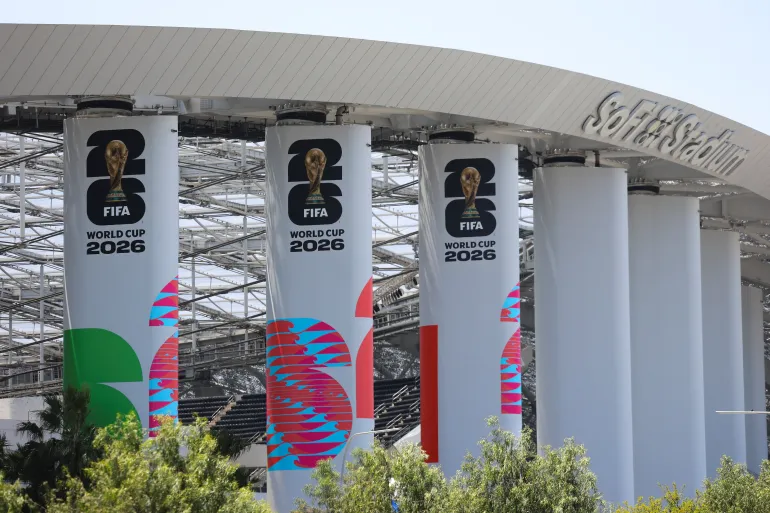
The 2026 World Cup exposes how political tensions override sporting unity. Despite football’s mission to bring the world together, visa policies and war deterrence are keeping 150,000 plus fans away from what should be humanity’s greatest celebration. As the US war on Iran approaches day 100, the message to global fans is clear that some nations remain unwelcome regardless of their sporting passion.
The Human Cost of Blocking 150,000 Football Supporters
The human cost of this crisis is staggering. Family separation occurs when supporters cannot cheer for their national teams. Cultural isolation happens when football’s global festival becomes exclusive rather than inclusive. The emotional impact on fans who dream of attending the World Cup for years but cannot get visas is devastating. These supporters represent the heart and soul of football, yet they are being denied the chance to participate.
The Future of Global Football Depends on Resolving This Visa Crisis
Looking ahead, the situation remains uncertain. More visa applications will be submitted, more rejections will occur, and more fans will be left stranded. The international community must address this crisis before future tournaments exclude even more supporters. Football organizations, governments, and FIFA need to work together to create fair visa policies that welcome all fans regardless of their nationality.
A Call to Action: Football Belongs to Everyone, Not Just the Elite
The 2026 World Cup should celebrate unity, diversity, and the universal love of football. Instead, it highlights division, exclusion, and the power of politics to override sporting spirit. This crisis demands attention and action from everyone who believes football belongs to all people, not just those who can afford expensive visas or escape political barriers. The future of global football depends on resolving this issue and ensuring that future tournaments welcome fans from every nation without discrimination.