Energy costs push Pakistan’s March inflation to 7.3pc
Pakistan’s inflation rate in March has risen to 7.3 per cent, mainly because of higher energy costs linked to the ongoing war in the Middle East. Prices are still rising more slowly than last year, but the cost of living remains tough for many families across the country.
March inflation rises to 7.3pc
Consumer inflation in Pakistan edged up to 7.3pc in March, compared to 7pc in February. The increase came as domestic energy tariffs jumped during the month, pushing inflation above the earlier comfort range set by policymakers.
Energy costs and Middle East war
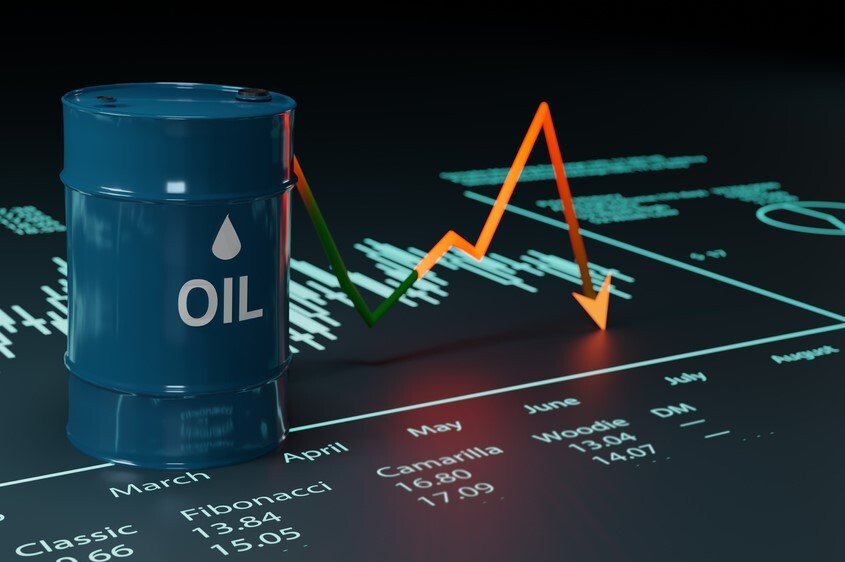
The conflict in the Middle East has driven up global energy prices, and Pakistan is now feeling the impact at home. As the government passes on higher fuel and power costs to consumers, households face bigger utility bills and transport costs, which then push up prices of many other goods.

Government outlook and interest rates
The finance ministry had already warned that March inflation would likely stay in the 7.5pc to 8.5pc range because of expensive energy. In response, the State Bank kept its policy rate unchanged at 10.50pc, cautioning that inflation may remain above its 5–7pc target band for a few more months as economic activity recovers and imports grow.
Inflation trend so far this year
On a month‑on‑month basis, prices in March rose by 1.2pc compared to February, according to the Pakistan Bureau of Statistics. Over the July–March period of FY26, average inflation stood at 5.67pc, slightly higher than 5.25pc in the same period last year despite a high base effect.
Big drop from last year’s peak
For the full FY25, average annual inflation fell sharply to 4.49pc from 23.41pc a year earlier. This steep decline was helped by the high base effect, easing food prices and lower transport costs compared to the previous crisis period.
Disinflation, not relief in prices
Economists describe the current situation as disinflation — prices are still going up, but more slowly than before. This means the rate of increase has cooled, yet the overall cost of living is still high and continues to strain household budgets.
Food inflation hits rural areas harder
In March, food inflation rose by 2.9pc in cities and a sharper 4.5pc in rural areas. On a monthly basis, food prices in urban areas inched up by 0.1pc, while in rural areas they actually fell by 0.6pc, showing a mixed picture between regions.
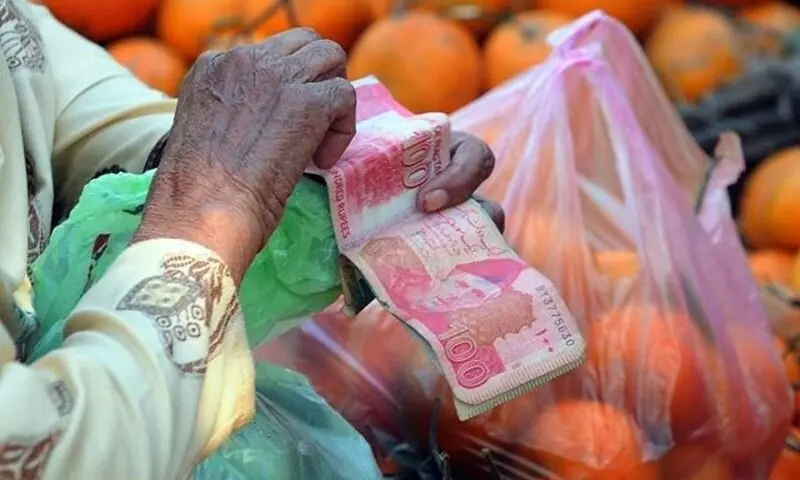
Non-food and core inflation stay elevated
Non-food inflation reached 10.3pc in urban areas and 9.7pc in rural regions, signalling steady pressure from items like housing, transport and services. Core inflation, which strips out volatile food and energy prices, stood at 7.4pc in cities and 8.4pc in rural areas, suggesting underlying price pressures remain firm.
What is getting more expensive?
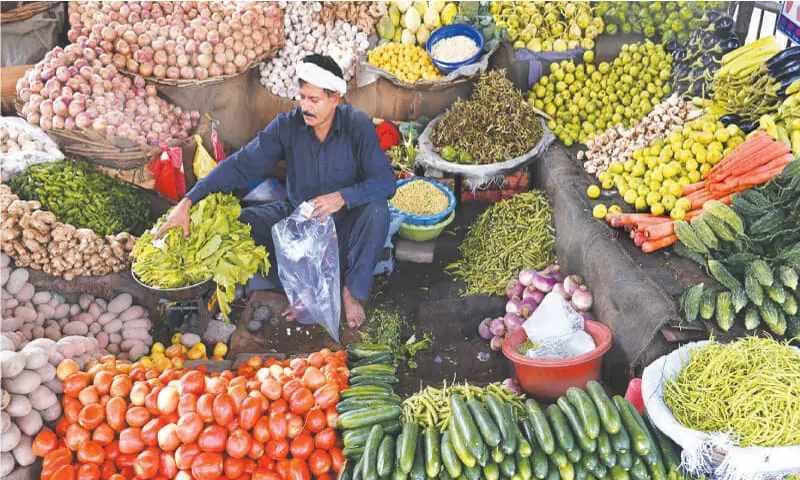
Several everyday food items became noticeably costlier in March, especially in urban markets. Prices of chicken jumped 13pc, fresh fruits 11.25pc and fresh vegetables 5.01pc, while meat, pulses, bakery items, dry fruits, wheat products, ready‑made food and even milk and rice also saw smaller increases.
What this means for households
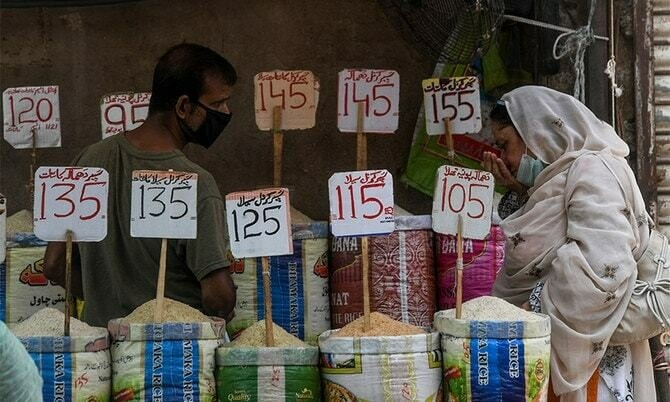
For many families, particularly those on low and fixed incomes, higher energy and food costs mean cutting back on non‑essential spending. As bills rise and wages struggle to keep up, people are forced to make difficult choices about how to manage monthly budgets.
Outlook for the coming months
With the Middle East war still unresolved, Pakistan may face further energy price pressure in April and beyond. The government’s inflation target for the current fiscal year is 7pc, but keeping within that range will depend heavily on global oil markets, exchange rate stability and how quickly domestic supply chains adjust.