Introduction
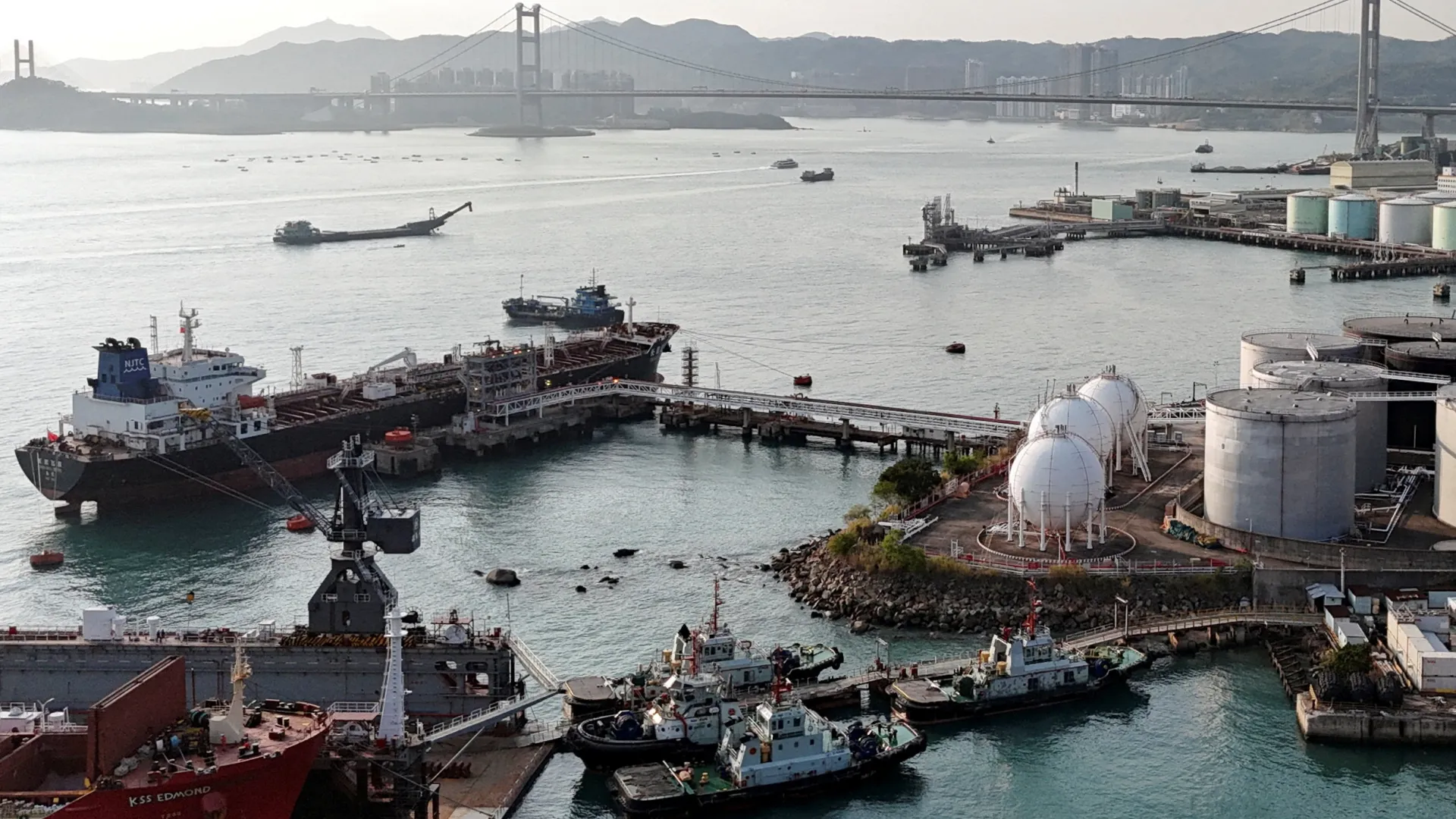
A few hundred miles from where Chinese leader Xi Jinping is preparing to host US President Donald Trump, a very different drama is playing out inside China’s giant oil hubs. Behind the scenes, a network of Chinese oil refineries has become one of Iran’s most important financial lifelines, buying large volumes of crude and refined products even as US sanctions tighten.
This hidden flow of money and oil is not just an energy story. It sits at the centre of a larger geopolitical struggle involving sanctions, pressure on Tehran, and the next phase of US–China rivalry.
How Chinese Oil Refineries Keep Iran’s Cash Flowing
Over the past few years, Chinese refineries – including state‑linked plants and independent “teapot” refiners – have steadily increased their purchases of Iranian oil, often routed through complex shipping and payment chains. Tankers switch off tracking signals, cargoes are blended or relabelled, and payments move through smaller banks or intermediaries that hope to stay under the radar.
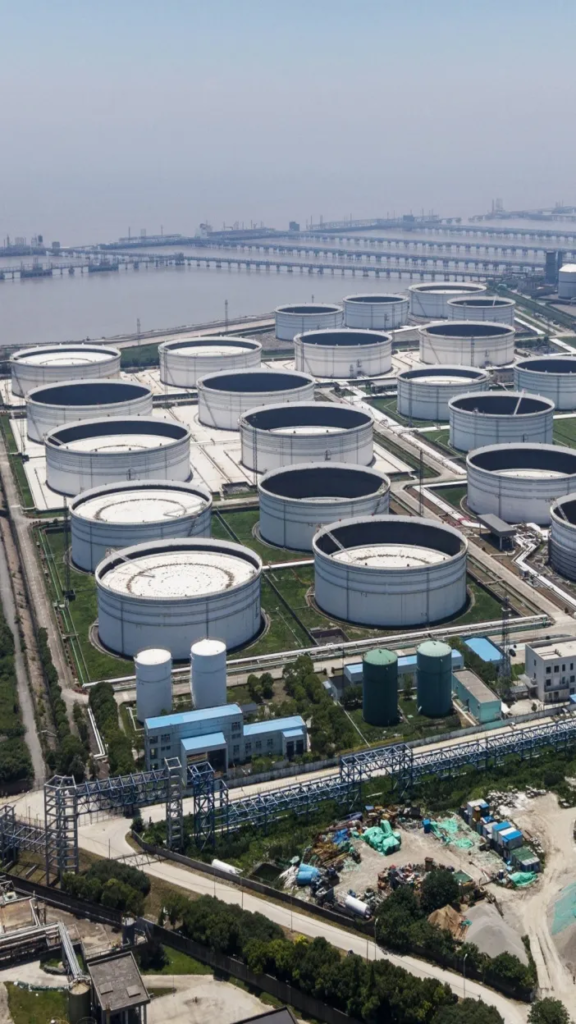
For Iran, which has lost many traditional buyers, this Chinese demand is crucial. It brings in hard currency, helps fund the state budget, and supports security forces and regional allies that rely on steady oil revenues.
Why Washington Is Targeting These Refineries
The United States sees this network of Chinese oil refineries as a direct challenge to its sanctions campaign. By buying Iranian crude at scale, these plants are effectively softening the economic pressure Washington is trying to build on Tehran.
As a result, US officials have started naming specific refineries and financial channels in new sanctions, warning Chinese banks and traders that they could lose access to the dollar system if they keep enabling Iran’s oil exports.
5 Stark Truths About the China–Iran Oil Connection
1. Chinese Oil Refineries Are Iran’s Most Reliable Buyers
With many Western and Asian customers gone, Iran leans heavily on Chinese buyers to keep its oil exports moving. Analysts estimate that a large share of Iran’s seaborne crude now makes its way, directly or indirectly, to Chinese ports and storage.
Even when official import numbers dip, satellite tracking and tanker data often show that shipments continue through discounted or rebranded cargoes, keeping Chinese oil refineries central to Iran’s export strategy.
2. Sanctions Have Pushed the Trade Into the Shadows
US sanctions have not stopped the China–Iran oil trade; they have pushed it deeper into grey zones. Many cargoes are moved via ship‑to‑ship transfers, flag changes, or obscure intermediaries, which makes it harder for outsiders to trace the full scale of the flows.

This shadowy approach increases legal and financial risk for the companies involved, but the discounts on Iranian oil – and Beijing’s desire to keep supplies diversified – make the trade attractive enough to continue.
3. Xi and Trump Are Bringing the Dispute to the Top Table
The timing of new US sanctions and investigations is not accidental. Washington is trying to raise the cost of China’s support for Iran just as Xi and Trump prepare for sensitive talks on trade, security, and the wider relationship.
This puts Chinese oil refineries at the centre of a bigger bargaining game: the more pressure the US applies, the more Beijing has to decide whether cheap Iranian oil is worth a direct clash with Washington.
4. The Risk Is Not Just Political – It Is Financial
For energy companies and traders, the biggest fear is often losing access to the global banking system. If major Chinese banks are forced to choose between the US dollar network and clients tied to Iranian oil, they may tighten credit and services to those refineries.
That, in turn, could slow investment in new projects, disrupt payment chains and make it harder for smaller firms to keep buying Iranian crude, even if Beijing is politically supportive.
5. Global Oil Markets Feel Every Shift
Changes in Chinese demand for Iranian oil do not stay inside Asia. When Chinese oil refineries cut or reshuffle their imports, it can push Iran towards other quiet buyers, increase reliance on Russian barrels, or tighten supply through key routes like the Strait of Hormuz.
Each shift feeds into global price volatility, insurance costs for tankers, and the risk premium that traders build into long‑term contracts – meaning consumers around the world can feel the impact at the pump.

What This Means for China’s Energy Security
China’s leaders want to secure affordable energy while avoiding a direct financial confrontation with the United States. That balancing act is becoming harder as Chinese oil refineries deepen their role in Iran and Washington sharpens its sanctions tools.
Beijing can try to diversify towards more Russian, Middle Eastern or domestic sources, but as long as Iran offers discounted barrels, the temptation will remain – and so will the risk of new sanctions fights.
Final Thoughts
The story of Chinese oil refineries bankrolling Iran is a reminder that energy, finance and geopolitics are now tightly linked. Every tanker that leaves an Iranian port for China carries not just crude oil, but also a set of political choices for Xi, Trump and the wider region.
How both sides handle this pressure – through sanctions, talks or quiet compromises – will shape not only Iran’s finances, but also the stability of global oil markets in the months ahead.