Gold and silver prices drop as markets reset expectations
Gold and silver prices have come under pressure after a strong run, with both metals slipping as traders react to fresh economic data and shifting interest rate expectations. The pullback has surprised many retail investors who saw precious metals as a one-way trade, but the recent move shows how sensitive this market is to the dollar, bond yields, and central bank signals.
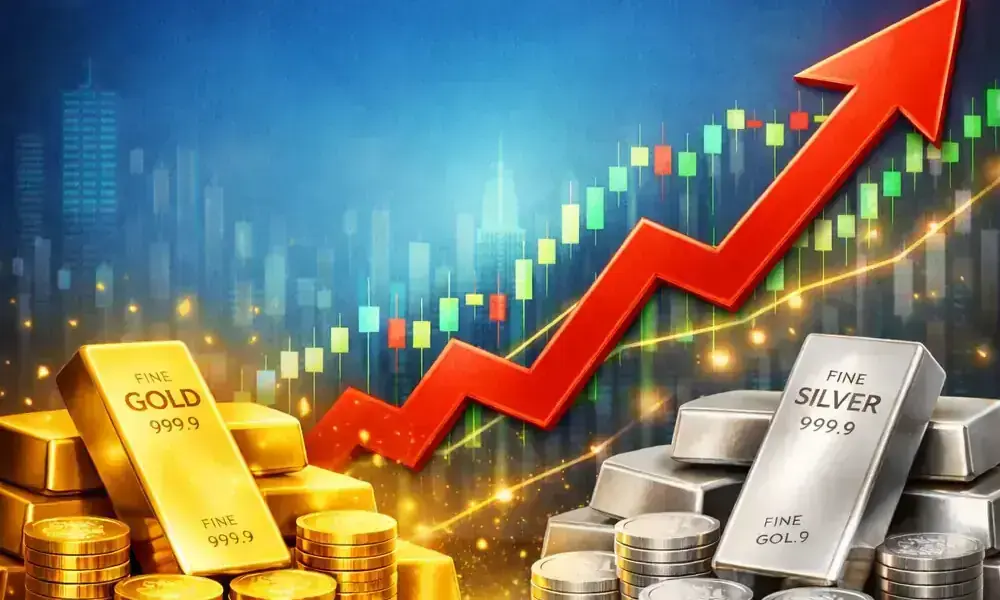
Stronger US dollar and higher yields hit precious metals
One of the main reasons behind the latest decline in gold and silver is the stronger US dollar. As the dollar index picks up, it becomes more expensive for investors holding other currencies to buy precious metals, which tends to cap demand and trigger profit-taking.
At the same time, US bond yields have stayed elevated as traders push back expectations for interest rate cuts from the Federal Reserve. When yields move higher, holding gold and silver becomes less attractive because these assets do not pay interest, which often leads investors to shift money toward bonds and cash.
Interest rate cut hopes fade after fresh inflation signals
The market had been pricing in several rate cuts this year, but that narrative has changed as inflation data in the US remains sticky. Recent reports and labour market numbers have made it harder for the Fed to justify quick or aggressive easing, and major research houses have already lowered their expectations for rate cuts.
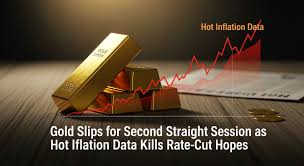
If the Fed keeps interest rates higher for longer, real yields are likely to stay firm, which can weigh on gold and silver in the short term. However, this same backdrop can keep volatility elevated, and traders will be watching each inflation release and policy meeting for signs that the central bank is ready to pivot.
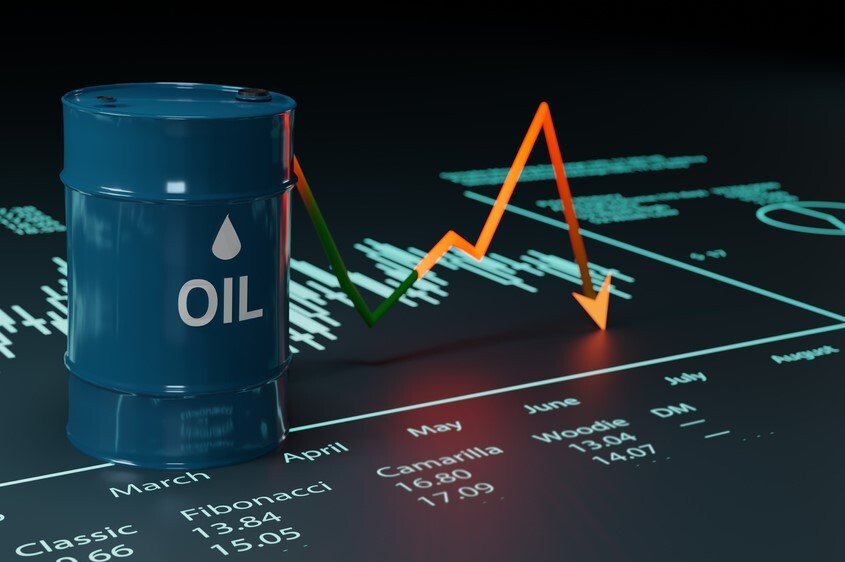
Oil prices, Middle East tensions and inflation worries
Middle East tensions and swings in oil prices are also feeding into the precious metals story. Higher energy prices can push up headline inflation, which complicates the job of central banks and may force them to keep policy tight even when growth slows.
This mix of geopolitical risk, oil-driven inflation fears, and questions around global growth has created choppy trading in gold and silver. On days when safe-haven demand dominates, prices can bounce sharply, but when markets focus on high rates and a firm dollar, rallies often fade.
What this means for gold and silver in the near term
In the near term, analysts expect gold and silver to remain sensitive to three key drivers: US inflation data, the timing of any Fed rate cuts, and the direction of the dollar. If upcoming inflation prints stay hot and policymakers signal that cuts are off the table for now, precious metals may continue to face selling pressure or trade in a wide range.
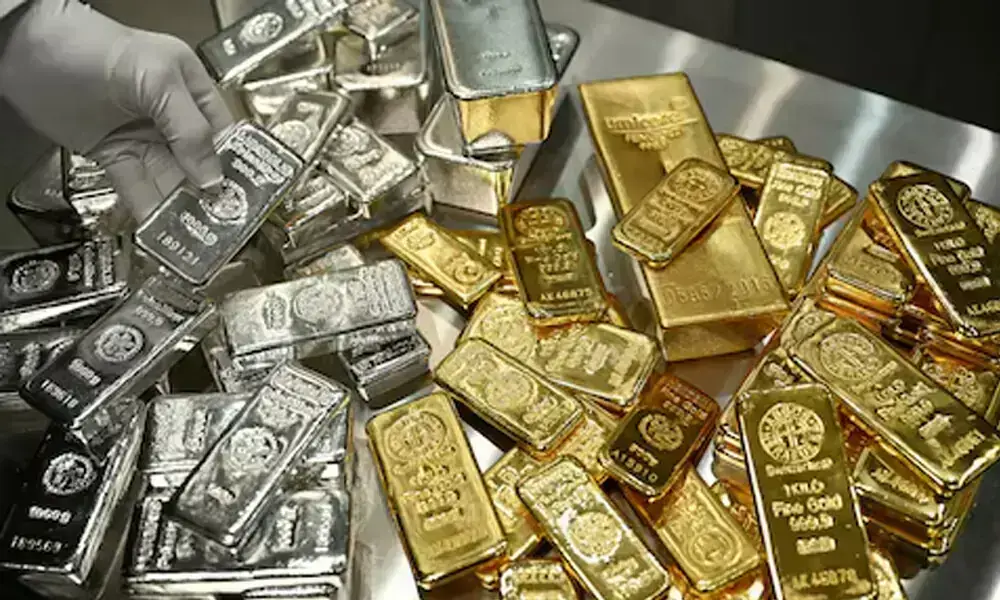
On the other hand, any signs of cooling inflation, softer economic data, or a clearer shift toward easier policy could support another leg higher in gold and silver. Forecasts shared by major institutions still point to the possibility of higher levels over the medium term if the Fed eventually turns more dovish and the dollar weakens, especially if geopolitical risks remain in focus.
How traders and investors are positioning now
Short-term traders are using intraday swings driven by data releases and central bank comments to trade volatility in gold and silver. Many are watching support and resistance levels closely and adjusting positions as the market reacts to each new piece of information on inflation, jobs, and energy prices.
Longer-term investors, including those looking for diversification or a hedge against currency risk, are more focused on the bigger picture. For them, temporary corrections in gold and silver prices can be an opportunity to build positions gradually, especially if they believe that future Fed easing, a weaker dollar, or renewed safe-haven demand could push precious metals higher over the coming years.
Key signals to watch for the next move
Going forward, market participants will closely track US Consumer Price Index releases, Federal Reserve meeting minutes, and comments from policymakers to gauge how close the central bank is to cutting rates. Movements in the US dollar index and global bond yields will also remain critical signals for the next major trend in gold and silver.
At the same time, developments in energy markets and geopolitical hotspots, especially in the Middle East, could quickly shift sentiment either in favour of safe-haven buying or away from risk assets altogether. In such an environment, staying flexible and disciplined on entry and exit levels is likely to matter as much as having a long-term view on the precious metals outlook.