7 High-Stakes Signals as US Pauses Hormuz Operation for Iran Deal Talks
US President Donald Trump has announced a temporary pause in “Project Freedom”, the US-led mission to escort commercial ships through the Strait of Hormuz. He says the operation will be halted “for a short period” to test whether an agreement with Iran can be finalised and signed.
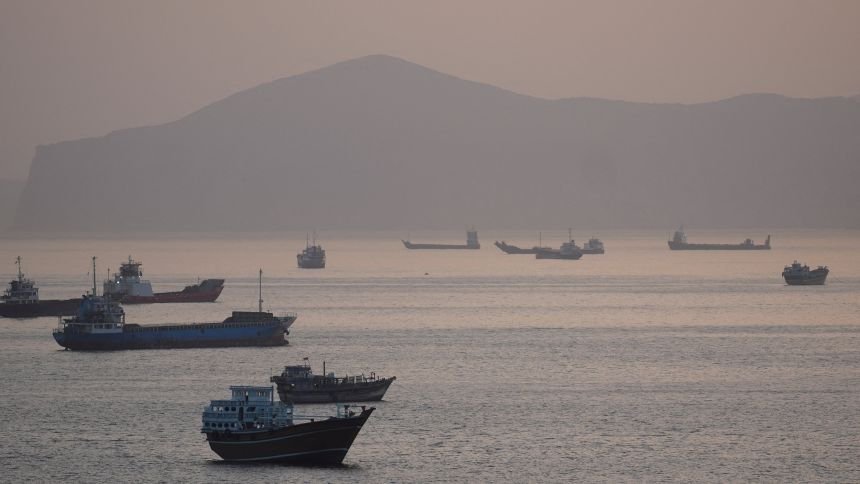
The step comes after weeks of clashes, missile strikes and a tight blockade that left thousands of sailors and dozens of vessels stuck in or near the narrow waterway. While US warships are pulling back from active escort duty, the blockade on Iranian ports is set to continue for now.
1. A Tactical Pause, Not a Full Retreat
Trump has framed the pause as a calculated move, not a climbdown under pressure from Tehran. He says the US has already “achieved the objectives” of the operation and can afford to step back while talks advance.
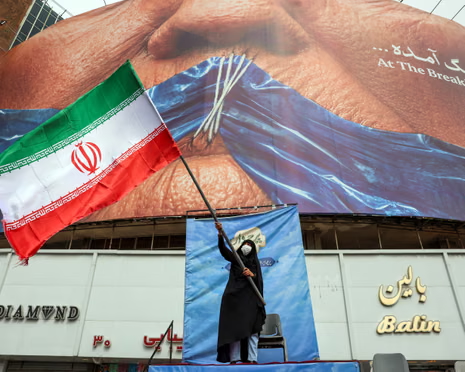
Iranian media, however, are presenting the decision as proof that US plans in Hormuz have failed. This gap in messaging shows how both sides are trying to claim advantage while keeping space for negotiation.
2. Progress in Back-Channel US–Iran Talks
The pause follows what Trump calls “great progress” towards a possible agreement with Iranian representatives. US officials say discussions are focused on a ceasefire framework and steps to reopen trade routes while limiting further escalation.
Iranian President Masoud Pezeshkian has criticised Washington’s “maximum pressure” approach but remains engaged through intermediaries. Diplomats from countries including Pakistan are helping channel messages between the two sides.
3. Pakistan and Others Push for De-Escalation
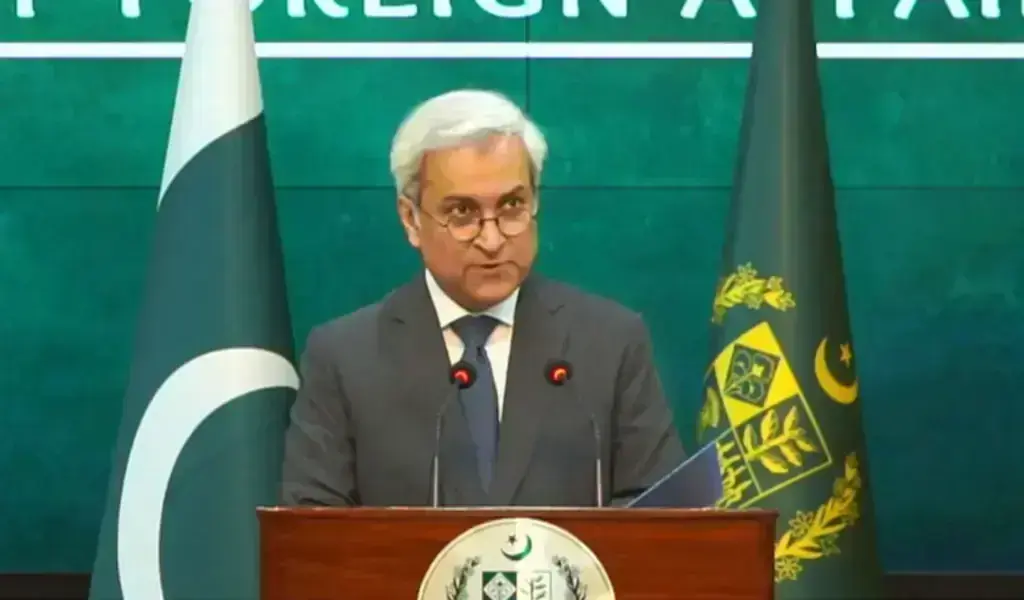
Trump has acknowledged that the pause also comes after requests from Pakistan and other states involved in mediation efforts. These countries have urged Washington to reduce the risk of a wider regional war that could hit their own security and economies.
Pakistan, in particular, has stressed the danger to energy supplies and trade routes if fighting around Hormuz expands. Its role highlights how mid-level regional powers can still influence crisis management between bigger rivals.
4. Blockade Continues Despite Escort Pause
Even as escort operations halt, US officials insist that the blockade on Iranian ports will remain in place. That means oil exports and other key shipments from Iran are still under heavy pressure.
For Tehran, this keeps the economic squeeze very real, even if direct naval confrontations in Hormuz briefly ease. For global markets, the mixed signal – less immediate risk of clashes, but ongoing disruption – makes pricing and planning more complicated.
5. Weeks of Clashes Set the Stage
The pause comes after a series of rocket and missile attacks, drone strikes and naval skirmishes around the strait. Iran has been accused of targeting cargo vessels and infrastructure in the UAE’s Fujairah, while US and Israeli forces have carried out strikes inside Iran.
This pattern pushed the region close to a wider war and trapped an estimated tens of thousands of sailors from dozens of countries in the Persian Gulf. Project Freedom was launched as a response to that crisis but also raised the risk of direct US–Iran clashes at sea.
6. What the Pause Means for Shipping and Sailors
For ship crews stuck in or near the Strait of Hormuz, the pause offers a small opening but not a full solution. Escort missions are on hold, yet Iran’s threats and the US blockade are still in place, leaving many vessels waiting for clearer instructions and safer routes.
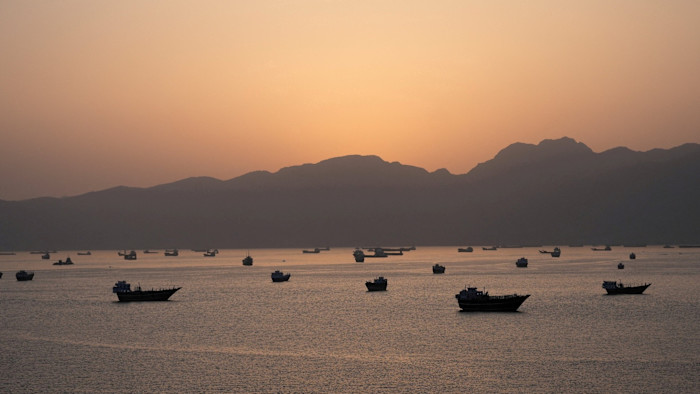
Insurance costs, delays and detours through longer routes are already weighing on global trade. Companies that depend on Gulf energy shipments are watching closely to see whether a ceasefire deal can stabilise traffic or whether the crisis will drag on.
7. A Fragile Chance for a Wider Iran Deal
The decision to pause operations in Hormuz opens a narrow window for a broader agreement on the Iran war. US officials speak of a possible “total and final” deal, but past talks with Tehran show how hard it is to turn short-term pauses into lasting arrangements.
If talks stall, escort operations could restart and the risk of miscalculation at sea would climb again. If they succeed, the pause in Project Freedom might be seen later as the moment when both sides stepped back from the brink.