Introduction: A New US Visa Crackdown
The United States has quietly introduced a tougher visa policy aimed at people in the Western Hemisphere who are seen as helping foreign adversaries.
The State Department says this expansion is meant to protect US interests, regional security, and the sovereignty of countries in the region.
Under the new rules, 26 people have already had their US visas revoked, even though their names and nationalities have not been made public.
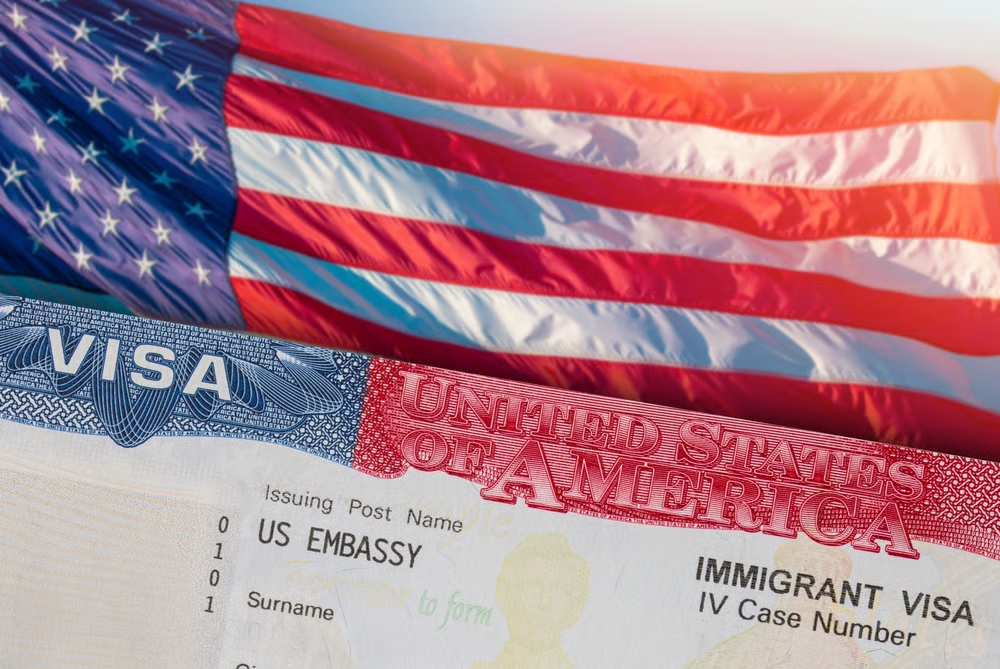
This step adds another layer to Washington’s use of visas as a foreign policy tool. It signals that not only governments, but also private actors and business figures, can face direct consequences for the partnerships they build.
What Exactly Did the US Announce?
According to the State Department, this is an expansion of an existing visa restriction policy, not a brand-new law.
The focus is on people in the Western Hemisphere who act on behalf of what Washington calls “adversarial countries, their agents, or enterprises.”
If officials decide that someone is working in ways that undermine US interests, that person can be denied a visa or lose an existing visa.
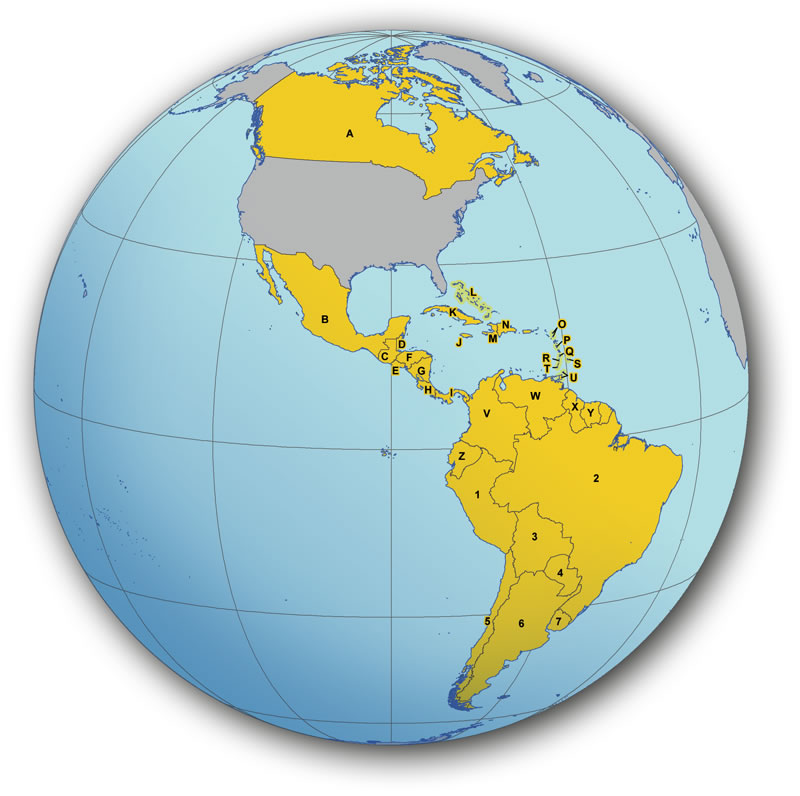
The department did not list which states are officially treated as “adversaries,” but the language clearly targets foreign powers competing with or challenging US influence in the region.
Who Can Be Targeted Under the New Visa Rules?
The policy is broad and covers more than just government officials.
The State Department says it can apply to people who “knowingly direct, authorize, fund, or provide significant support” to foreign adversaries while operating inside Western Hemisphere countries.
That wording means business executives, security contractors, political consultants, and others could all be at risk if they are seen as backing an adversarial power.
The key phrase is “significant support.” It leaves room for interpretation and gives US officials wide discretion when they decide who falls under this category.
What Kind of Activities Count as ‘Supporting Adversaries’?
The State Department statement gives several examples of activities that can trigger a visa restriction.
These include helping adversarial states gain or control critical assets and strategic resources in the region.
They also include actions that weaken regional security efforts, undermine US economic interests, or mount influence operations that threaten the sovereignty and stability of other countries.
In practice, that could involve infrastructure deals, port or mining concessions, energy projects, or information campaigns that shift a country’s alignment away from Washington. Companies and individuals involved in such projects now face extra scrutiny.
How Many Visas Have Already Been Affected?
The US says it has already moved against 26 individuals under the expanded policy.
Officials have not revealed who they are, which countries they come from, or which adversarial power they were linked to.
The secrecy is typical for visa decisions, but it also makes it hard for the public to see how the rules are being applied in detail.
What the State Department does stress is that these steps are meant as a clear signal to others in the region: cooperate with rival powers at the cost of US interests, and your ability to travel to the United States may be blocked.
Legal Basis and Link to Earlier Crackdowns
The announcement refers back to powers already available under US immigration law.
The same legal authority has previously been used in other controversial cases, including action against some pro-Palestinian student protesters accused of supporting designated groups.
By invoking that framework again, Washington shows it is ready to adapt existing tools rather than wait for new legislation.
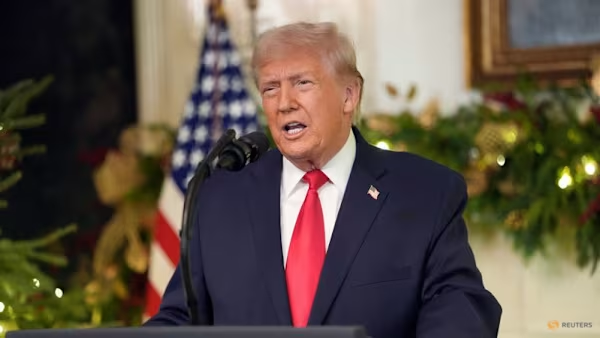
This approach fits a wider pattern under President Donald Trump, where visa suspensions and travel bans are used to shape behaviour abroad, from large-scale measures affecting dozens of countries to highly targeted individual sanctions.
What This Means for Governments, Businesses, and Activists
For governments in Latin America and the wider Western Hemisphere, the message is that close cooperation with US rivals now carries personal costs for key decision-makers.
Political figures who promote major deals with adversarial countries may find their own access to the US suddenly restricted.
Business leaders, lobbyists, and intermediaries working on strategic projects also have to factor in the risk of being blacklisted from US travel.

Civil society groups and activists will watch closely to see whether the policy is applied narrowly against clear cases of strategic support, or whether the net widens to include critics and opponents whose views clash with Washington’s line.
A New Front in the Battle Over Influence in the Americas
The expanded visa ban underscores how competition over ports, minerals, technology, and security partnerships in the Americas has become more intense.
Instead of focusing only on states, the US is now targeting individuals who help rival powers gain a foothold in the region.
Supporters frame this as a necessary defence of US interests, while critics worry it could be used selectively and deepen political tensions.
As more cases emerge, one central question will be whether these visa restrictions actually deter risky partnerships—or simply push them further away from public view. Either way, they add a new layer of pressure to the already complex struggle for influence across the Western Hemisphere.