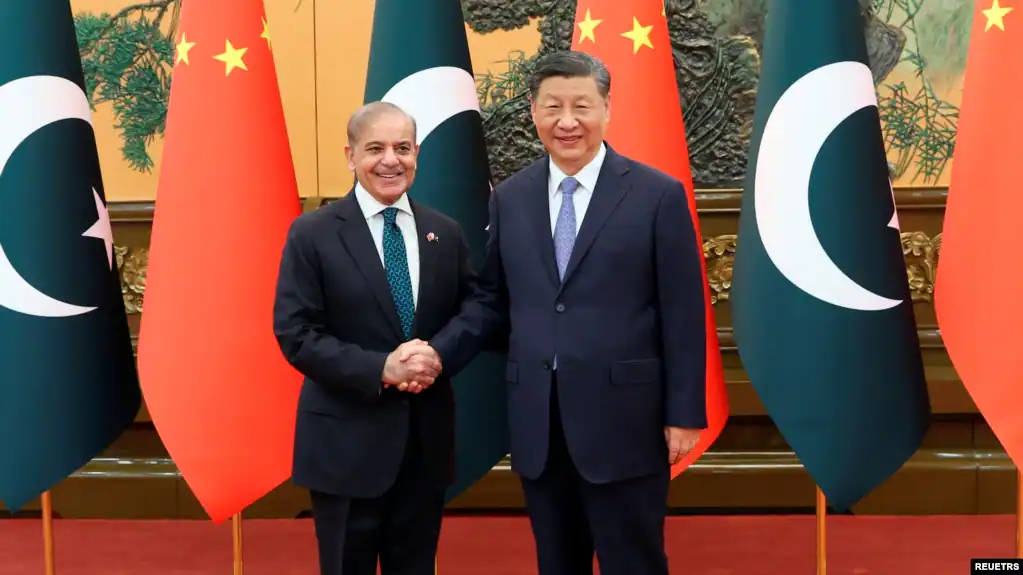
Pakistan Prime Minister Shehbaz Sharif to Visit China This Week
This week, Pakistan’s Prime Minister Shehbaz Sharif is set to embark on a crucial state visit to China, marking one of the most important diplomatic moves of 2026 for both Islamabad and Beijing. According to Pakistan’s Foreign Minister Ishaq Dar, the premier will be in Beijing from May 23 to 26, staying for a full four‑day trip packed with high‑level meetings and talks.
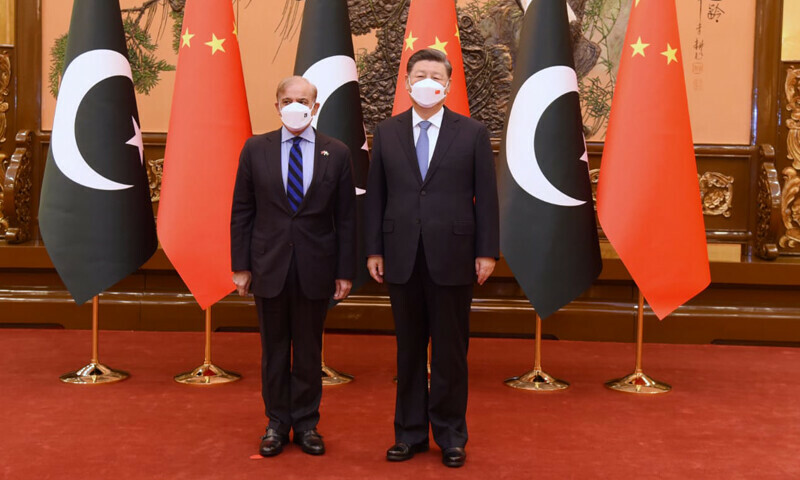
For Pakistan, this visit is not just symbolic—it comes at a time when the country is struggling with economic pressure, debt challenges, and energy shortages, while China remains its largest investor and a key strategic partner.
What a State Visit to China Really Means
A state visit is the highest level of diplomatic travel between two countries. It usually includes formal receptions, meetings with top leaders, and discussions on major national and regional issues. For Pakistan, sending the Prime Minister on such a visit to China signals that economic cooperation, long‑term projects, and regional stability are at the top of the priority list.
China, on the other hand, treats visits from Pakistan’s leadership as a way to strengthen its “all‑weather” partnership with Islamabad. This phrase is often repeated in official statements, showing that both sides want the relationship to remain stable even when global politics shift.
The CPEC Factor: Why This Trip Matters
The biggest talking point around this visit is CPEC (China‑Pakistan Economic Corridor). Launched in 2015, CPEC has so far delivered roads, power projects, and some industrial cooperation, but it has also faced criticism over debt, delays, and transparency.
For the Sharif government, the China trip is a chance to:
- Push for new CPEC projects in energy, agriculture, and technology
- Seek additional investment or debt relief tied to existing CPEC‑related loans
- Clarify how future CPEC phases will support jobs, exports, and local industries
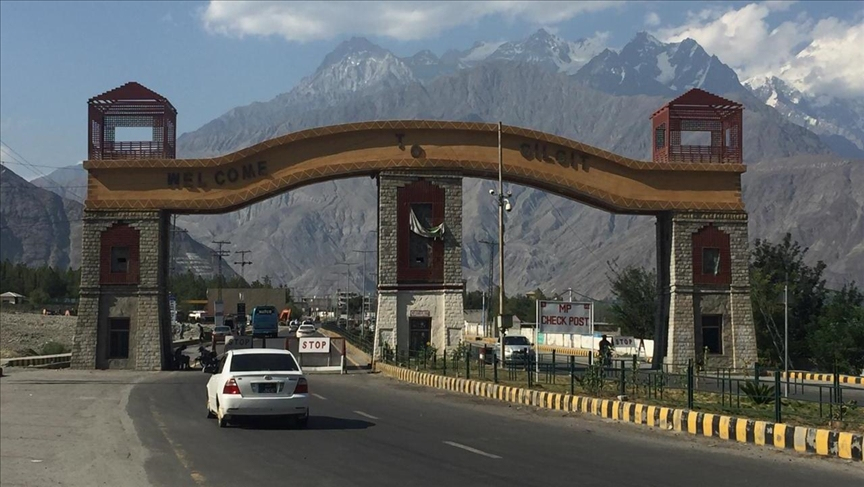
If concrete agreements are announced, they could significantly influence Pakistan’s growth outlook for 2026–2028 and shape how the private sector views CPEC‑related opportunities.
Trade and Investment: What Pakistan Hopes to Gain
Pakistan’s trade balance with China is heavily in China’s favor, meaning Islamabad imports far more from Beijing than it exports. This has created trade pressure and currency risks. During the visit, Prime Minister Sharif is expected to push for:
- More favorable trade terms for Pakistani goods such as textiles, agriculture products, and seafood
- Chinese investment in special economic zones and industrial parks
- Technology and manufacturing partnerships to help local industries upgrade
Even small shifts in trade policy or financing terms can have a real impact on Pakistan’s dollar reserves, inflation, and the cost of everyday goods.
What This Trip Means for Pakistan’s Economy
Pakistan’s economy is currently walking a tightrope. The country is under pressure from:
- High inflation and rising living costs
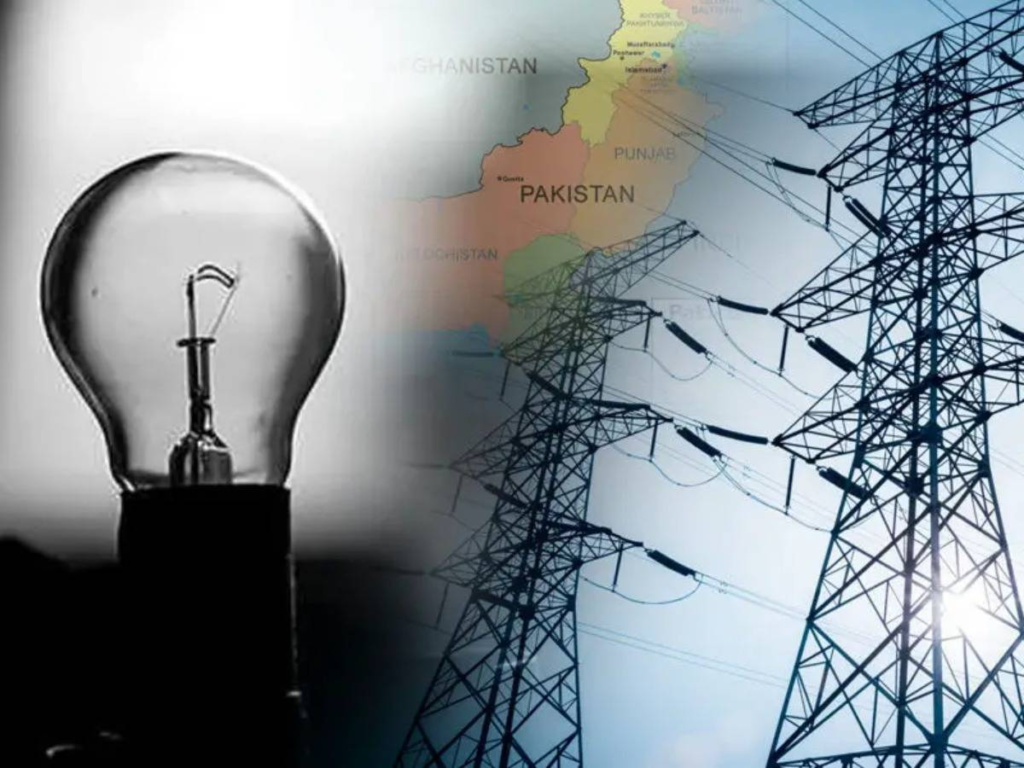
- Energy shortages affecting businesses
- Debt obligations and a need for fresh financing
China has been one of the most reliable sources of loans, grants, and technical support. If the Sharif‑Xi meetings result in:
- New financing deals
- Flexible repayment terms
- Direct support for key infrastructure projects
…then this visit could become a turning point for Pakistan’s economic planning in the next two years.
Regional and Security Implications
Beyond economics, this visit also matters for regional security and great‑power politics. Pakistan and China share a common interest in stability in South Asia, especially with India’s growing military and economic power.
Analysts expect the two sides to:
- Discuss security cooperation in the region
- Coordinate positions on issues such as Afghanistan and broader regional stability
- Reaffirm their stance against terrorism and external interference
How China and Pakistan position themselves after this visit will influence how other global powers, including the US and European countries, view the balance of power in Asia.
Public and Business Expectations
For ordinary Pakistanis, the real test will be what changes after the visit. Key expectations include:
- More jobs from new industrial and infrastructure projects
- Cheaper electricity or fuel if energy deals with China improve
- Easier access to Chinese markets for businesses and exporters
If the government can clearly communicate the outcomes and follow up with reforms, this visit could help build public confidence in the country’s foreign‑policy strategy.
What to Watch in the Coming Days
As the state visit unfolds, here are the main things to watch:
- Whether a new CPEC‑related agreement or roadmap is announced
- Any fresh loan or investment numbers coming from China
- Details on energy, trade, and technology cooperation
- The tone of joint statements on regional security and international issues
These details will show whether this visit is just diplomatic routine or a real turning point for Pakistan–China relations.
Final Thoughts: A Make‑or‑Break Moment for Pakistan–China Ties
Prime Minister Shehbaz Sharif’s four‑day state visit to China this week is more than a photo‑op. It is a make‑or‑break moment for how Pakistan anchors its economy and security in a world of shifting alliances. If the talks deliver clear, practical benefits—not just promises—then this trip could become one of the most important foreign‑policy moves of 2026.
The next step will be on Pakistan’s side: policies, reforms, and transparency that turn diplomatic gains into real progress for its people.