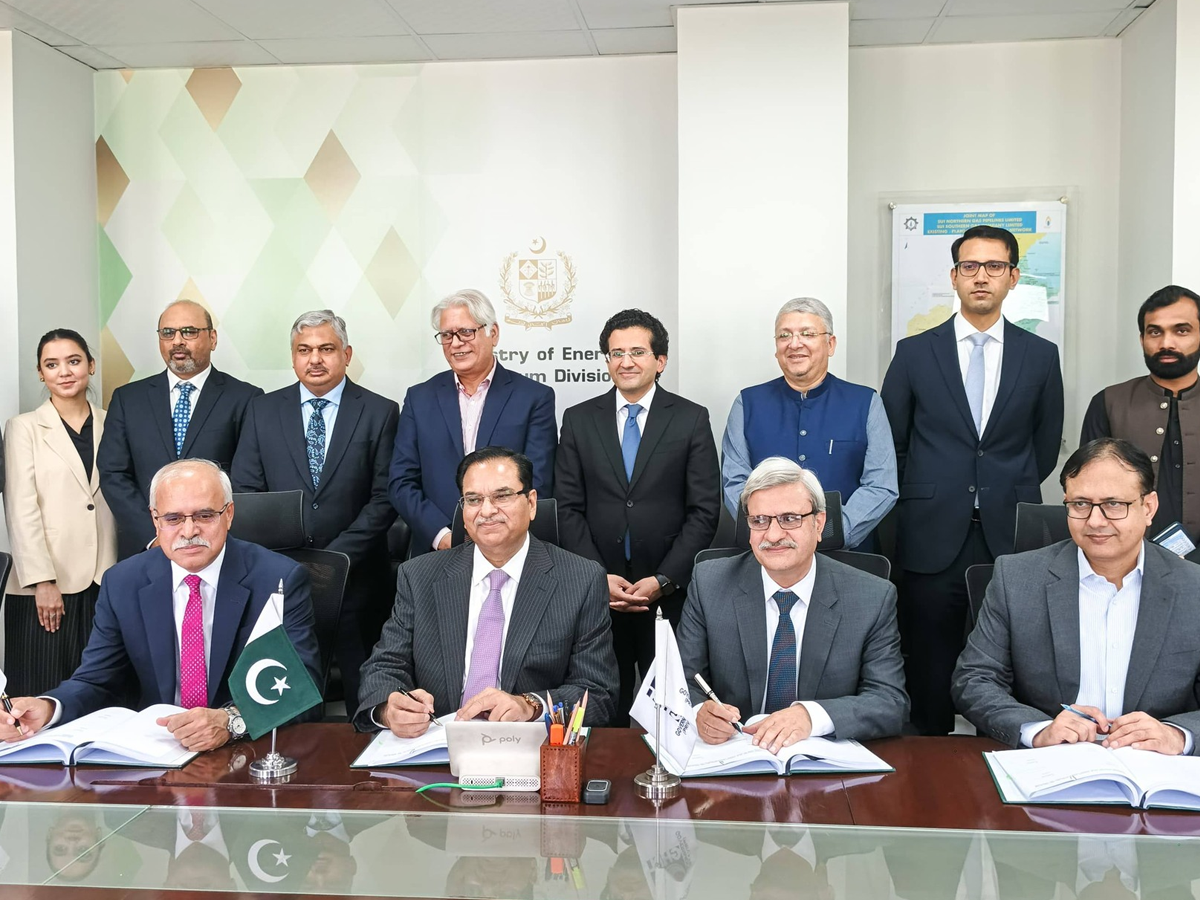
Pakistan Reopens Offshore Oil Frontier After Two Decades
Pakistan has officially reopened its offshore oil and gas exploration frontier after nearly two decades of closure, marking a major shift in the country’s energy and economic strategy. After years of hesitation, legal disputes, and political uncertainty, the government has now invited international companies to bid for offshore blocks in the Arabian Sea.
This move signals that Pakistan is serious about boosting domestic energy production, reducing its dependence on expensive imports, and attracting foreign investment into a long‑neglected sector. For a country struggling with chronic energy shortages and high fuel prices, the reopening of offshore fields could be a game‑changer—if it is managed transparently and efficiently.
What Offshore Oil Exploration Means for Pakistan
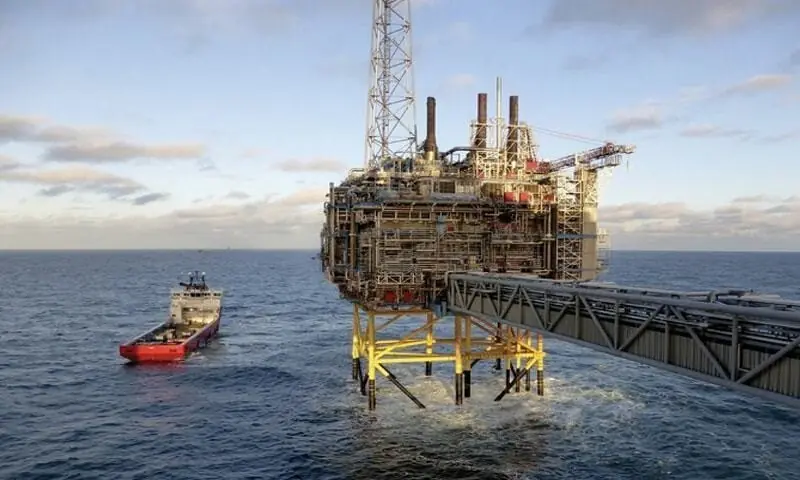
Offshore exploration refers to the search for oil and natural gas beneath the seabed, usually in the continental shelf of a country’s coastline. In Pakistan’s case, the prime areas are located off the Sindh and Balochistan coasts in the Arabian Sea.
For decades, Pakistan focused mostly on onshore fields in Sindh and Balochistan, while the offshore frontier remained largely untapped. Constraints such as high costs, technical complexity, and security concerns kept many international players away. By reopening offshore blocks, the government aims to:
- Attract multi‑national oil and gas companies with deep‑sea drilling experience
- Unlock new reserves that can supplement domestic gas and oil supplies
- Reduce the need to import LNG and crude oil at volatile global prices
If even a fraction of the potential offshore reserves are discovered and developed, Pakistan could see a noticeable drop in its energy‑import bill over the next decade.
Why Pakistan Closed Offshore Exploration Before
The decision to reopen offshore exploration comes after a long period of closure and inactivity. For almost two decades, Pakistan’s offshore sector remained in a frozen state, mainly due to:
- Legal and regulatory disputes over contract terms and ownership rights
- Uncertain policy environment and frequent changes in energy policy
- Security worries, especially in the wake of regional tensions and piracy concerns at sea
- High exploration risk and cost for private companies without strong government guarantees
During this time, many international exploration firms either suspended operations or shifted focus to other countries in the region. As a result, Pakistan’s offshore potential remained largely untouched, even though experts had long flagged the Sindh and Balochistan offshore blocks as promising.
How This Reopening Could Boost Pakistan’s Economy
From an economic point of view, reopening offshore exploration is a high‑risk but high‑reward strategy. If successful, it can deliver several benefits:
- New government revenues from royalties, production‑sharing contracts, and taxes
- Job creation in engineering, logistics, drilling services, and offshore support
- Increased energy self‑sufficiency, which can ease pressure on the balance of payments
- More stable fuel prices as domestic supply reduces dependence on imported LNG and crude
Even modest discoveries in one or two offshore blocks could delay or reduce the need for new LNG imports, which currently cost Pakistan billions of dollars every year. In the long run, this could help stabilize foreign‑exchange reserves and ease the burden on the national budget.
Energy Security and the Fuel‑Import Crisis
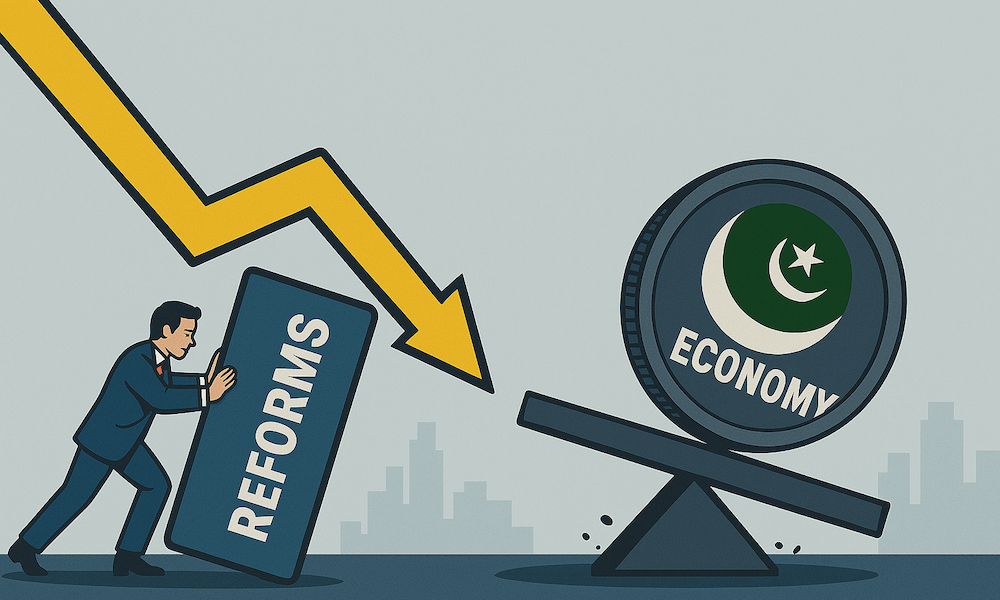
Pakistan has been struggling with a chronic energy crisis for years. The country often faces gas shortages, power cuts, and high fuel prices, which hit both households and industries. A large part of this problem stems from over‑reliance on imported energy.
Pakistan imports:
- A significant share of its natural gas as LNG
- A large portion of its crude oil from international markets
By reopening offshore exploration, Pakistan is trying to turn the page on its energy‑import addiction. If companies find commercially viable offshore fields, Pakistan could gradually increase domestic production, store reserves, and negotiate better import contracts from a position of strength rather than weakness.
Foreign Investment and Confidence in Pakistan
Inviting international oil companies to bid on offshore blocks is also a signal of confidence in Pakistan’s investment climate. For many foreign investors, the country has long been seen as risky and unpredictable. By launching a clear, transparent offshore bidding round, Pakistan is trying to show that it is ready to welcome serious players in the energy sector.
However, success will depend on more than just opening the blocks:

- Stable policies and long‑term contracts
- Legal clarity on disputes and arbitration
- Streamlined permit and approval processes
- Strong security and environmental safeguards
If these conditions are met, Pakistan may attract leading global oil and gas firms, not just small explorers looking for quick wins.
Environmental and Geopolitical Concerns
Opening offshore exploration is not without its environmental and geopolitical risks. Deep‑sea drilling carries the threat of oil spills, marine‑ecosystem damage, and accidents that can harm local fishing communities and coastal livelihoods.
Pakistan will need to:
- Enforce strict environmental regulations
- Require companies to have robust contingency plans for oil‑spill response
- Ensure transparent monitoring and independent oversight
On the geopolitical front, offshore fields in the Arabian Sea are close to busy shipping lanes and regional military hotspots. Any new energy project must be designed with regional stability and security in mind, avoiding unnecessary friction with neighboring countries.
What Pakistan Needs to Do Next
The opening of offshore exploration is only the first step. The real test will be how Pakistan follows up:
- Conducting fair and transparent bidding rounds
- Negotiating contracts that protect national interests
- Building local capacity in offshore drilling and maintenance
- Using new revenues wisely, such as investing in energy infrastructure and social services
If Pakistan can turn this opportunity into real discoveries and long‑term projects, then reopening offshore oil and gas exploration after two decades could become one of the most important energy and economic decisions of 2026.