U.S. Strikes on Iran: What Happened and Why It Matters
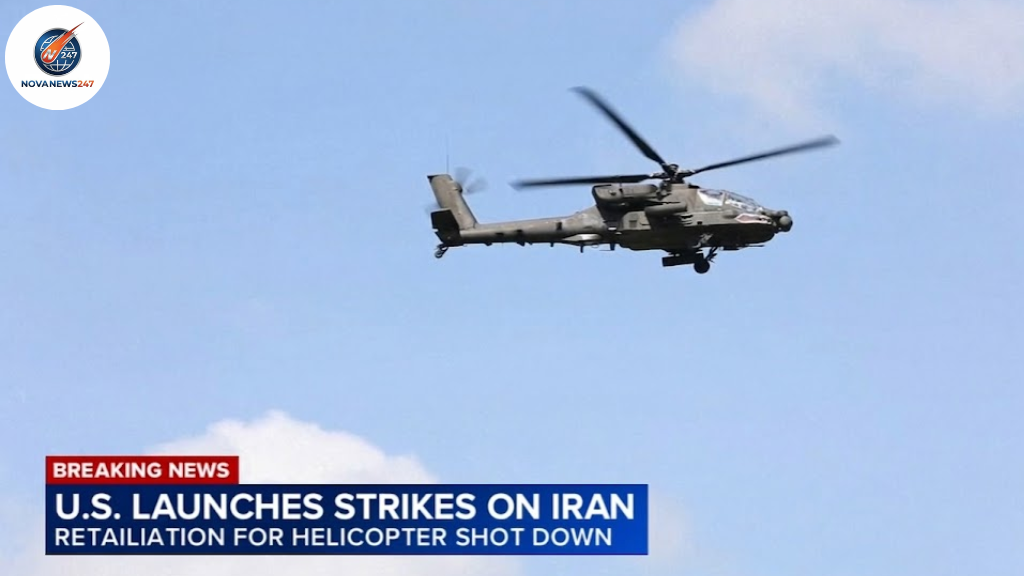
The United States has launched strikes on Iranian military targets after a U.S. Army Apache helicopter went down near the Strait of Hormuz. American officials describe the action as a measured, self‑defense response to what they call unjustified Iranian aggression in one of the world’s most sensitive maritime chokepoints. The episode marks another sharp escalation in a region already under intense global scrutiny.
The Helicopter Incident Near the Strait of Hormuz
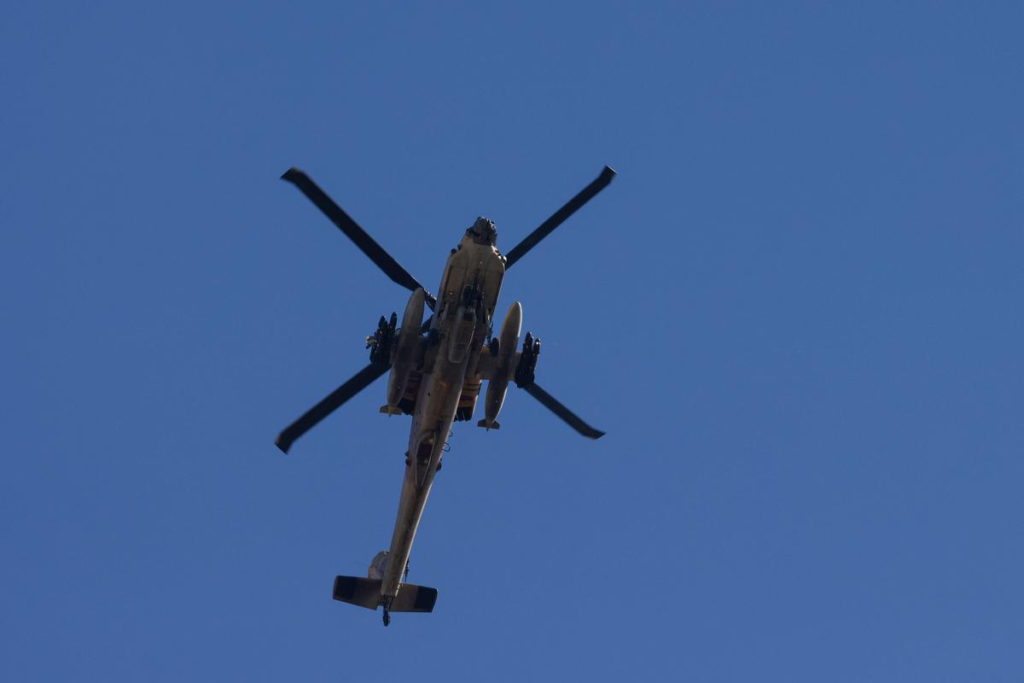
According to U.S. Central Command, the Apache helicopter went down close to the coast of Oman while conducting operations near the Strait of Hormuz. Early assessments suggest the aircraft was brought down after colliding with an Iranian one‑way attack drone, though investigations are still ongoing. Despite the loss of the helicopter, both crew members were rescued safely by an unmanned sea drone, a first for American forces in such a scenario. The safe recovery of the pilots allowed the Pentagon to focus squarely on the question of how to respond.
How Washington Justified the Retaliatory Strikes
U.S. officials frame the strikes as a “proportional response” ordered by President Donald Trump after briefings from military leaders. Central Command says the mission is intended to deter further attacks on U.S. personnel and commercial shipping in regional waters, not to trigger a wider war. Public statements stress self‑defense, signaling to allies and markets that Washington is reacting to a specific incident rather than launching an open‑ended campaign.
What Targets the U.S. Hit Inside Iran
The strikes focused on Iranian air defense and radar assets linked to operations near the Strait of Hormuz. Reports indicate that U.S. Air Force and Navy jets used precision‑guided munitions to hit air defense systems, ground control stations, and radar sites in southern Iran. These targets are critical to Iran’s ability to track aircraft and coordinate drone operations in the area. By striking them, Washington aimed to degrade the systems believed to have supported the downing of the Apache.
How Iran Responded to the U.S. Strikes
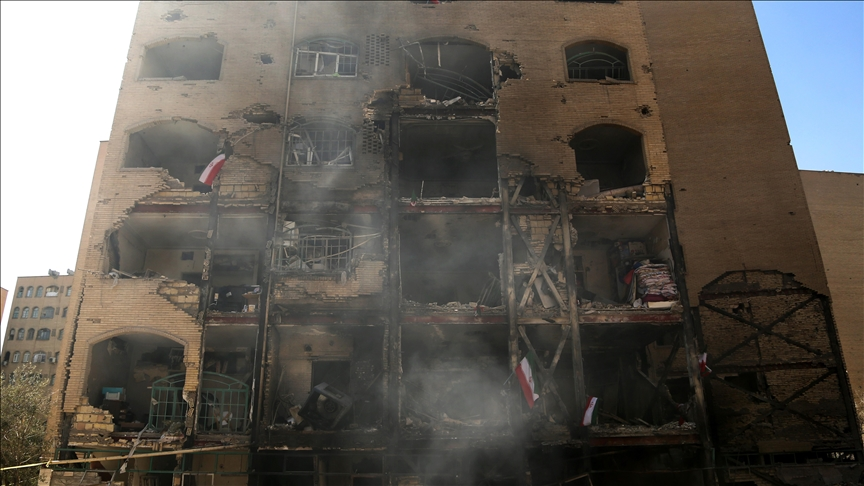
Iran’s Islamic Revolutionary Guard Corps claimed it answered with its own barrage of strikes on U.S. military facilities in the region. State media reported attacks on or near bases in Bahrain and Jordan, while regional militaries, including Kuwait’s, said they were intercepting incoming threats. Tehran portrays its response as a reciprocal move that proves it will not allow U.S. actions to go unanswered. This tit‑for‑tat cycle heightens the risk of miscalculation on both sides.
What This Means for the Strait of Hormuz and Global Markets
The Strait of Hormuz is a major artery for global energy flows, carrying a significant share of the world’s seaborne oil and gas. Any confrontation between the U.S. and Iran in this corridor immediately alarms traders, insurers, and shipping companies. Heightened military activity, drone deployments, and air defense alerts can translate into higher transport costs, risk premiums, and price volatility. Governments and industry will now reassess contingency plans in case tensions intensify further.
Impact on Regional Allies and Security Architecture
The strikes also put fresh pressure on U.S. partners hosting bases and logistics hubs across the Gulf. Countries such as Bahrain, Qatar, and Kuwait must balance their security ties with Washington against the risk of being drawn deeper into a confrontation with Tehran. Regional defense planners will likely review air defense coverage, base hardening, and evacuation plans as they brace for the possibility of further exchanges.
Domestic and International Political Reactions
Inside the United States, early reactions split along familiar political lines, with some lawmakers backing a firm response and others warning about escalation. Internationally, allies called for restraint and urged both sides to avoid steps that could ignite a broader war. Diplomatic efforts at the United Nations and through regional forums will now focus on preventing further incidents while keeping vital shipping lanes open.
What to Watch Next in This Escalating Standoff
The next phase will hinge on whether both sides decide to cap this exchange or escalate further. Key signals to watch include new strikes, changes in naval deployments, and any diplomatic overtures through partners or back channels. For now, Washington insists its strikes are limited and defensive, while Tehran signals it is prepared for more confrontation if U.S. forces continue operations near its shores. The balance between deterrence and escalation will define the coming days.