Introduction
China’s public appeal for an immediate ceasefire in the Middle East has drawn attention from governments, aid agencies and market watchers. Beijing urged de-escalation, safe humanitarian access and renewed dialogue among the parties involved. The call reflects both urgent humanitarian concerns and long-term strategic priorities that matter to the region and to countries worldwide.
Preventing regional spillover
A core reason for Beijing’s call is to prevent the conflict from spreading beyond current frontlines. Cross-border incidents can quickly escalate into wider confrontations or trigger proxy engagements. A ceasefire reduces the immediate risk of neighbouring states becoming directly involved and helps limit the conflict’s chance of destabilising the broader region.
Protecting energy supplies
The Middle East supplies a large share of global oil and gas. Disruptions to exports raise prices and force economies to absorb higher energy costs. China, as one of the world’s largest energy importers, has a clear interest in stable supplies. Calling for an immediate ceasefire aims to protect energy routes and blunt the economic shock that prolonged fighting would deliver.
Securing maritime trade routes
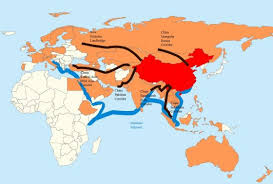
Major shipping lanes and strategic chokepoints lie close to conflict zones. Continued hostilities increase risks to merchant vessels, raise insurance and freight charges, and slow the movement of goods. A prompt ceasefire would help ensure maritime routes remain open and keep international trade flowing without sudden, large-scale interruptions.
Allowing humanitarian access
Sustained fighting hampers aid delivery and inflicts heavy civilian suffering. Beijing highlighted the pressing need for unfettered humanitarian corridors. An immediate ceasefire would allow relief agencies to reach trapped populations, evacuate the wounded, replenish medical supplies and deliver food and water to besieged communities.
Reinforcing diplomatic norms
By urging calm, China signals support for diplomatic resolution and international humanitarian norms. A public call for a ceasefire positions Beijing within broader multilateral efforts that prioritise negotiation over further escalation. This approach reinforces the role of diplomatic institutions in addressing crisis management and protecting civilians.

Balancing strategic relationships
The Middle East is a theatre of complex strategic interests. China’s ceasefire appeal allows it to maintain working relationships with diverse regional actors while offering a neutral-seeming voice for restraint. This balanced stance gives Beijing diplomatic flexibility to engage with different partners and to act as a channel for dialogue if needed.
Addressing domestic and regional politics
Domestic opinion and bilateral ties inform China’s foreign policy choices. Urging a ceasefire demonstrates responsiveness to humanitarian concerns and helps Beijing preserve political and economic connections across the Middle East. It also reduces domestic pressure related to energy security and global stability.
Protecting investment and reconstruction prospects
Long-term commercial projects depend on security and continuity. China has growing infrastructure and energy investments in Middle Eastern countries. Ending hostilities sooner would pave the way for reconstruction contracts, renewed commercial cooperation and long-term returns on investment that are only viable in a stable environment.

Reducing wider economic shocks
Instability in the Middle East can ripple through global commodity and financial markets, affecting more than energy alone. Food supplies, shipping costs and investor sentiment are all vulnerable to regional unrest. A ceasefire helps limit these secondary shocks and promotes broader market stability.
Encouraging humanitarian and diplomatic follow-through
A call for an immediate ceasefire is only the first step. Effective outcomes require coordinated diplomacy, pressure on armed parties to abide by agreements, and practical measures for aid distribution. China’s public stance can prompt other states and organisations to intensify mediation efforts and resource mobilisation to meet urgent needs.
Conclusion
China’s appeal for an immediate ceasefire in the Middle East combines humanitarian concern with practical strategic aims. Its success will depend on coordinated international action, the readiness of local parties to negotiate, and sustained diplomatic follow-through. For now, Beijing’s message highlights the urgent need to stop violence, protect civilians, restart aid flows and preserve conditions for long-term reconstruction and stability.