Global Oil Prices Are Falling Sharply Today
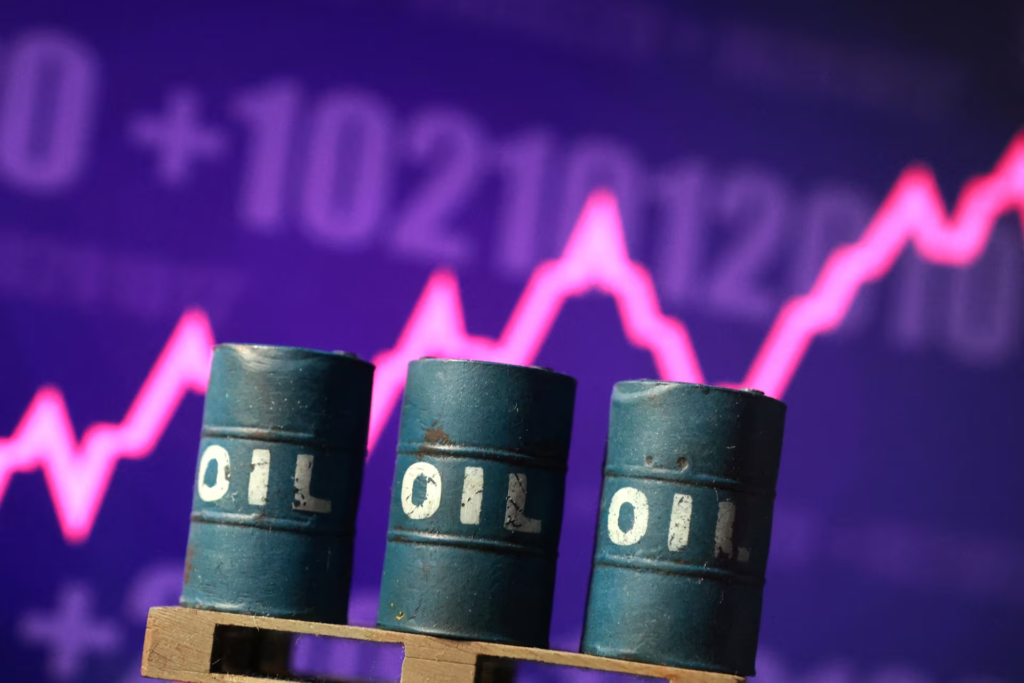
Global oil prices are falling sharply today as traders grow extremely optimistic about a potential peace deal between the United States and Iran that could finally bring an end to the ongoing conflict in the Middle East. Brent crude, which is the world’s primary benchmark for oil pricing, has crashed below the critical $90 per barrel level on Friday morning, marking a dramatic and significant decline in the global energy market.

This massive drop comes after US President Donald Trump shared completely mixed signals about whether a lasting resolution is finally possible, leaving traders and investors scrambling to reassess their positions in the oil market and recalculate the risk premium that has been built into energy prices for many months now.
Latest Market Data Shows Brent Crude at $87.59 Per Barrel
According to the latest and most accurate market data available, Brent crude futures for August trading settled at approximately $87.59 per barrel on June 12, 2026, reflecting a sharp and alarming 3.09% decline from the previous trading day.
Looking at the bigger picture and examining the longer-term trends, over the past month alone, Brent’s price has plummeted by a massive 17.08%, even though it still remains 18% higher than the levels recorded before the conflict began in the region. This tells a very clear and unmistakable story: peace hopes are now weighing heavily on oil prices, pushing them down significantly even though prices remain elevated compared to pre-war conditions and historical averages from earlier in the year.

Main Driver Behind This Massive Decline Is Peace Hopes
The main driver behind this massive and dramatic decline is investors’ growing and strengthening belief that a peace deal could dramatically reduce regional tensions and significantly lower the risk of supply disruptions in critical shipping routes.
Oil markets have been extremely sensitive to developments in the Middle East for many months now, especially because any escalation in the US-Israel-Iran conflict can directly threaten critical shipping routes in the Persian Gulf and the vital Strait of Hormuz, which is one of the most important oil transit chokepoints in the entire world. If a peace agreement is successfully reached and implemented, oil supply fears are expected to ease quickly and dramatically, which naturally pushes prices down even further toward lower levels.
Oil Prices Had Already Started Falling Sharply in May 2026
Earlier in May 2026, oil prices had already started falling sharply amid mixed signals on the US-Iran peace deal and negotiations between Washington and Tehran. On May 24, 2026, Brent crude dropped 5.5% and settled at $97.90 per barrel after US Secretary of State Marco Rubio announced publicly that negotiators had a “fairly solid proposal on the table” that could lead to a ceasefire.
Over the following weeks, oil continued declining steadily and consistently, with Brent falling 19% since the end of April. By late May, draft peace proposals were shared among US allies and partners, and preliminary talks suggested a possible 60-day ceasefire extension that could lead to a permanent resolution and lasting peace agreement.
Market Confidence in a Peace Deal Is Growing Much Faster
This latest drop below $90 per barrel is the most significant price move in recent weeks, showing that market confidence in a peace deal is growing much faster than most analysts expected earlier this year. Traders are now betting heavily that sanctions on Iran could ease gradually over time, and that oil exports from the region may stabilize significantly in the coming months. Both factors reduce the risk premium that has been baked into oil prices for many months now and will likely continue pushing prices lower toward more moderate levels by the end of 2026.
WTI Crude Is Also Affected by This Massive Decline
The decline is also affecting US West Texas Intermediate crude, another major benchmark that closely tracks global oil trends and energy market movements worldwide. On June 5, 2026, WTI crude dropped by 2% and reached $91.17 per barrel as traders weighed whether the Middle East conflict would escalate into a larger war involving more countries and regions. Oil prices have been extremely volatile, moving up and down depending on new reports about ceasefire terms, nuclear deal progress, military activity in the Gulf region, and diplomatic negotiations between Washington and Tehran.
Energy Analysts Predict Prices Could Fall Toward $60 Per Barrel
Energy analysts say that if the peace deal is finalized successfully and implemented properly, oil prices could continue falling toward significantly lower levels, possibly near $60 per barrel by the end of the year, according to forecasts from the US Energy Information Administration (EIA). However, supply disruptions, rig count changes, and demand shifts could still affect prices before that point is reached and the market stabilizes at a lower level.
Lower Oil Prices Will Impact Global Economies Enormously
For oil producers, consumers, and global economies, this dramatic decline matters enormously and will have far-reaching consequences for the entire year. Lower oil prices can reduce fuel costs for drivers, lower transportation expenses for businesses, and ease inflation pressures across many sectors and industries worldwide. But for oil-exporting countries, especially those in the Middle East, this could mean reduced revenue and tighter national budgets for the coming year and beyond.

US-Iran Peace Deal Has Broader Implications for Global Energy Markets
The US-Iran peace deal also has much broader implications for global energy markets and international trade patterns. A stable Middle East means more reliable oil flows, fewer geopolitical risks, and potentially lower volatility in energy prices across the world. This could help the global economy recover more smoothly from recent shocks and support growth in industries that depend heavily on energy for transportation and production.
Oil Market Remains Highly Sensitive to Peace Deal News
As investors watch developments extremely closely, the oil market remains highly sensitive to any news about ceasefire terms, sanctions relief, or military actions in the region. The drop below $90 per barrel is a clear sign that optimism is now outweighing fear in the market, and that traders believe a peace deal could be closer than many experts expected earlier this year.
Complete Explanation of How Oil Prices Are Falling Dramatically
This complete and detailed blog explains how oil prices are falling dramatically on optimism over a US-Iran peace deal, why Brent crude has crashed below $90 per barrel, what this massive decline means for global energy markets, and how peace hopes are completely reshaping the future of oil pricing in 2026 and beyond.