China Renames Disputed Himalayan Places Again
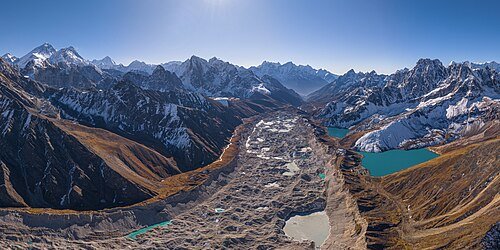
China has once again renamed a group of places in a disputed Himalayan region that India calls Arunachal Pradesh.
Beijing says this area is part of its territory, which it calls Zangnan, or “south Tibet.”India has strongly rejected this latest move.
New Delhi says these are “fictitious names” and that such steps cannot change the reality on the ground or the legal status of Arunachal Pradesh as part of India.
What Exactly Has China Done?
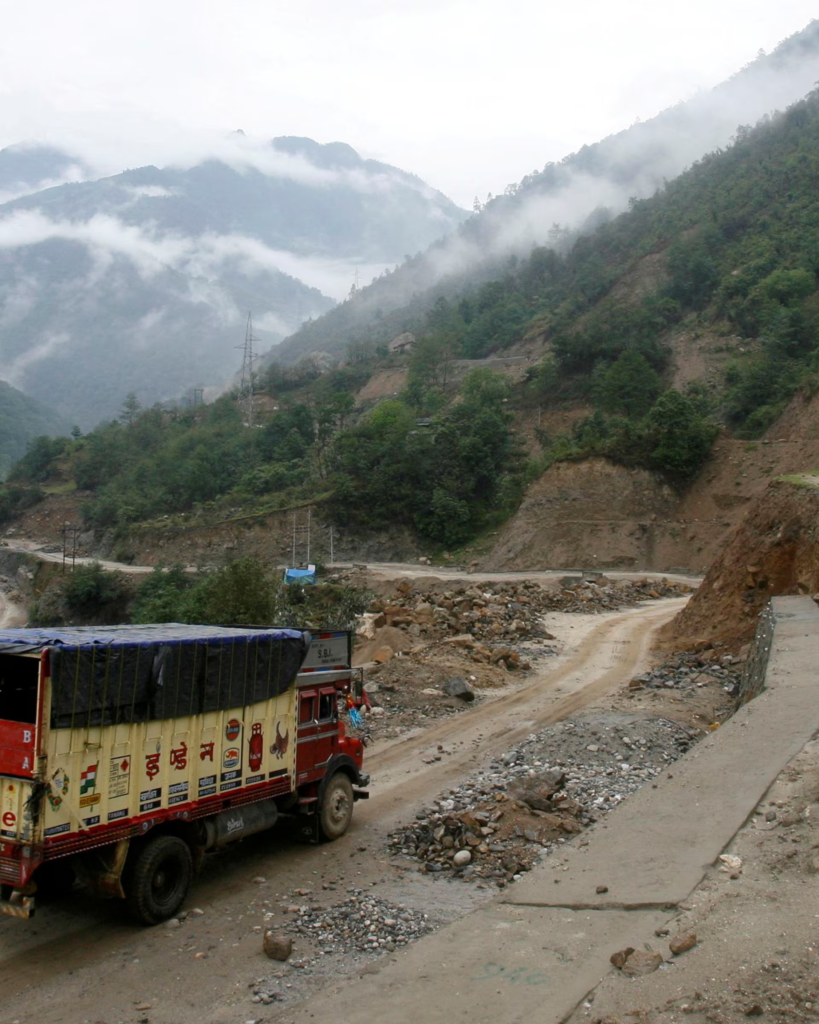
China’s Ministry of Civil Affairs has issued another list of “standardized” Chinese names for towns, villages, mountains, and rivers in the disputed area.
This is not the first time.
According to reports, China has now released six such batches of names over the past years to push its claim over the region.
The latest list covers more locations and uses Chinese characters, Tibetan script, and a system of coordinates to show these places as part of China’s official maps.
Beijing says this is a normal and “sovereign” act and that it is fully within its rights to standardize place names inside its territory.
Chinese officials repeat that they do not recognize the “so‑called Arunachal Pradesh” and instead see the area as part of Tibet.
Why Is India Protesting?
India’s Ministry of External Affairs has issued a clear and firm response.
New Delhi says:
- These are fictitious names created by China.
- Such moves are mischievous attempts to invent a false narrative about Indian territory.
- Renaming places does not change the fact that Arunachal Pradesh is an integral and inalienable part of India.
Indian officials warn that such actions harm the fragile efforts to stabilize and normalize India‑China relations after years of border tensions and clashes along the Line of Actual Control.
They say China should avoid steps that “inject negativity” into the relationship.

The Bigger India–China Border Dispute
This fight over names is part of a much larger border conflict between the two nuclear‑armed neighbours.
India and China share a long, unsettled boundary in the Himalayas, and both sides claim large areas controlled by the other.
Key points include:
- China claims most of Arunachal Pradesh as part of “south Tibet.”
- India says the state is a full and legal part of India and has been holding elections and governance there for decades.
- The two armies have faced off in several tense standoffs in recent years, especially in eastern Ladakh, leading to casualties and a deep trust deficit.
Because of this background, even the act of renaming a village or hill becomes highly political.
Maps, names, and official lists are used as tools to support territorial claims in diplomatic talks and in public opinion.

Why China Says It Is Right
From China’s point of view, publishing new names is a way to repeat its position that Zangnan is Chinese territory.
Officials in Beijing argue that:
- Naming and renaming places is an internal administrative matter.
- It helps “standardize” maps, documents, and public records.
- It does not target any country but reflects China’s view of its borders.
At the same time, Chinese foreign ministry spokespeople say they want overall ties with India to remain “generally stable,” and that their policy to improve relations has not changed.
This creates a mixed message: China talks of stability but continues steps that India sees as provocative.
What This Means for the Region
This naming dispute may look symbolic, but it has real‑world impact.
- It can complicate ongoing military talks on disengagement along the border.
- It can stir nationalist sentiment in both countries, making compromise harder.
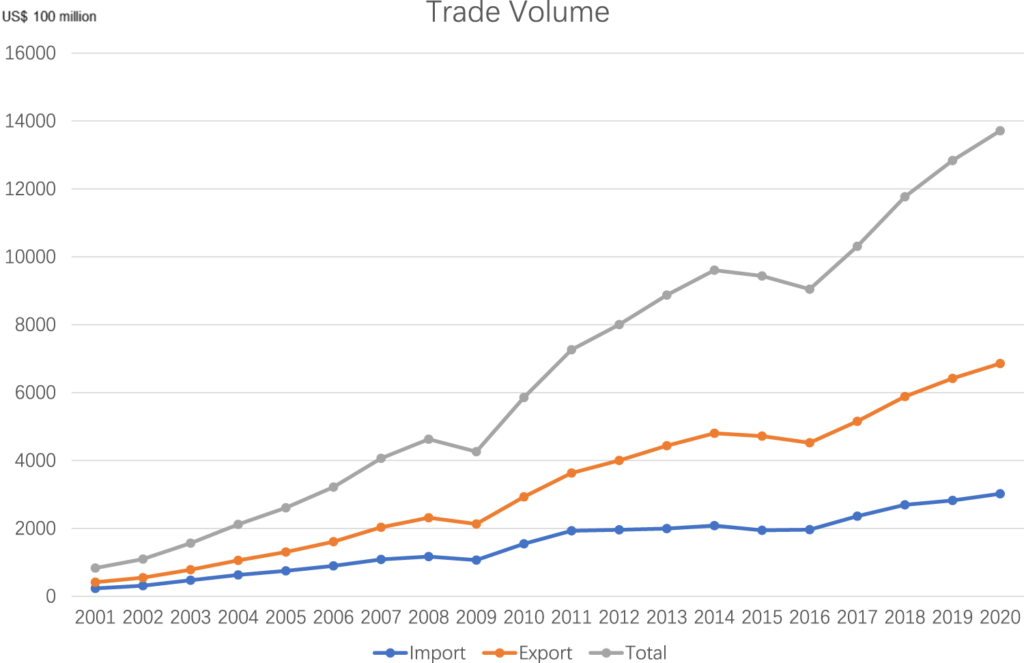
- It can affect trade, investment, and wider Asian diplomacy if ties worsen.
India has already warned that such actions could affect efforts to normalize ties.
Analysts say that as long as the border is not settled, these small steps—new maps, new names, new statements—will keep adding pressure to an already tense relationship.
Conclusion: Names, Maps, and Power
China’s decision to rename places in the disputed Himalayan area it calls Zangnan is part of a long campaign to strengthen its claim over land India knows as Arunachal Pradesh.
India has once again rejected this move, calling the new Chinese names fake, baseless, and legally meaningless.
Behind these words lies a bigger struggle over borders, identity, and power in Asia.
Until the two sides find a lasting border settlement, even the names on a map will continue to trigger protests, statements, and new rounds of tension.