1. Introduction to the Gaza Peace Plan
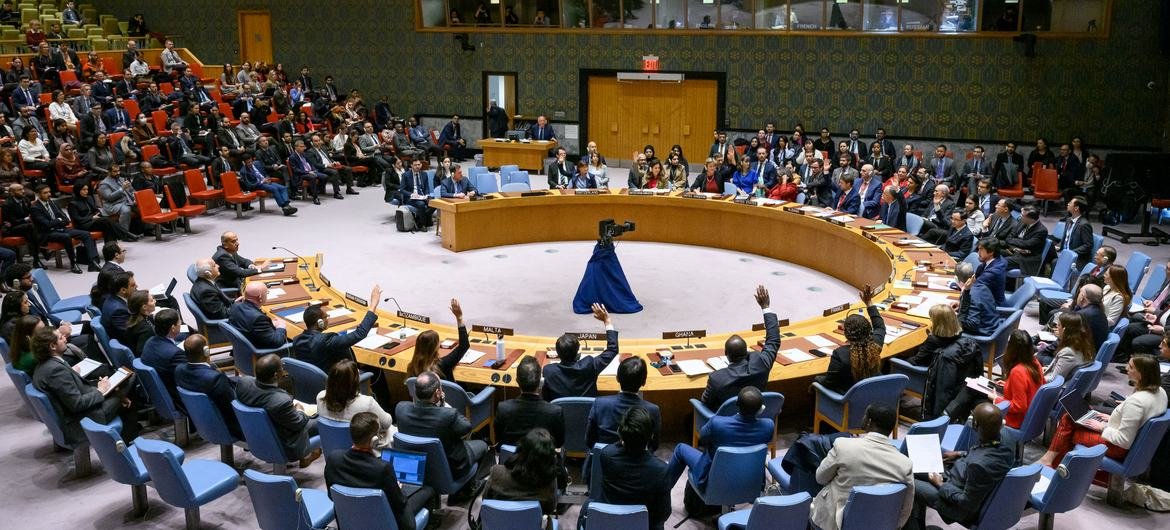
The Gaza Peace Plan is now at the center of global headlines. The United States has proposed a crucial resolution at the United Nations Security Council aiming to improve conditions in Gaza. According to American officials, if the Gaza Peace Plan fails to pass, the lives of Palestinians will become more difficult. The US wants international support for this peace initiative to end the conflict and bring lasting peace to Gaza.
2. The US Approach: What’s Changing?
America is prioritizing this issue. In the proposed Gaza Peace Plan, the US suggests forming a two-year transitional government governed with the help of local Palestinian leaders. The plan will be supervised by the United Nations, focusing first on civilian protection and humanitarian aid. The US has also asked its allies—Indonesia, Egypt, Qatar, and Turkiye—for support, but American troops will not be directly involved.
3. Russia’s Counter Proposal
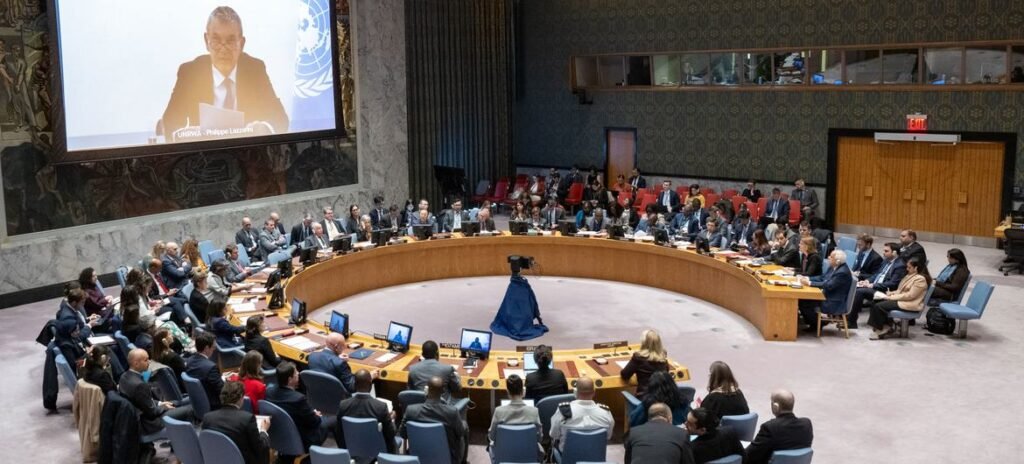
Russia has challenged the US draft of the Gaza Peace Plan, arguing it does not pay enough attention to Palestinian sovereignty and Israeli military actions. Russia’s alternative text emphasizes independent war investigations, direct aid, and Palestinian autonomy. These disagreements have made Security Council meetings even more heated.
4. Key Goals of the Gaza Peace Plan
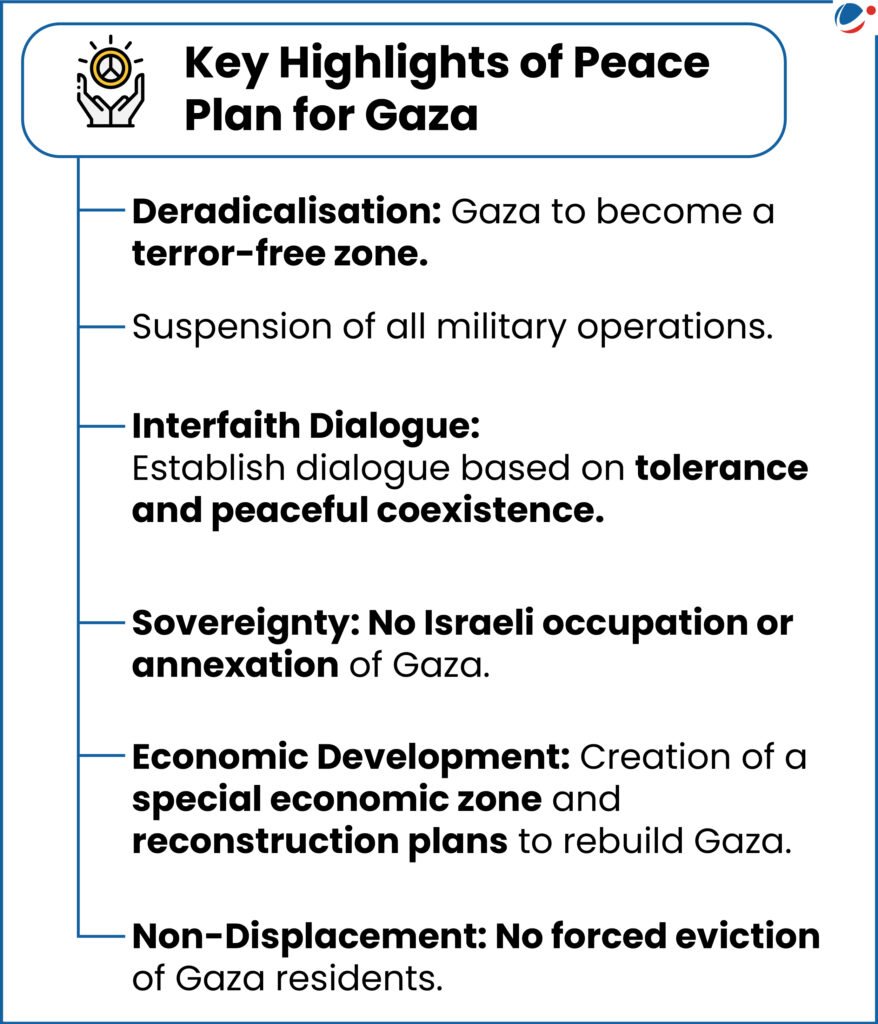
- Establishing Peace: Achieving a sustainable ceasefire in the region
- Humanitarian Aid: Ensuring a steady supply of essential resources—water, medicine, food—to those in need
- Civilian Protection: Disarming armed groups that threaten civilian life
- Reconstruction: Rebuilding Gaza’s infrastructure
- Political Stability: Setting up a transitional government with strong Palestinian leadership
5. The Current Humanitarian Situation in Gaza
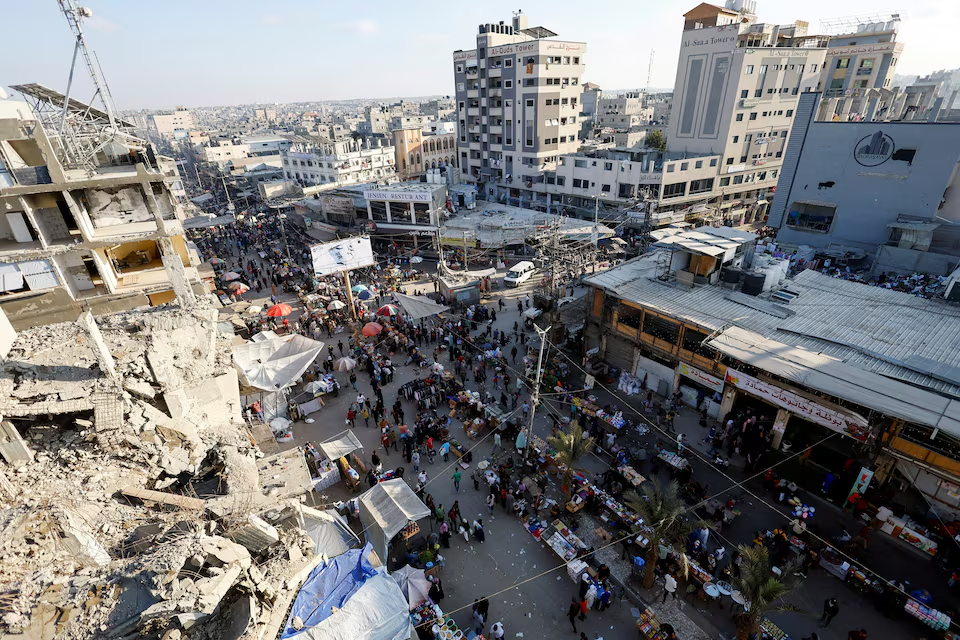
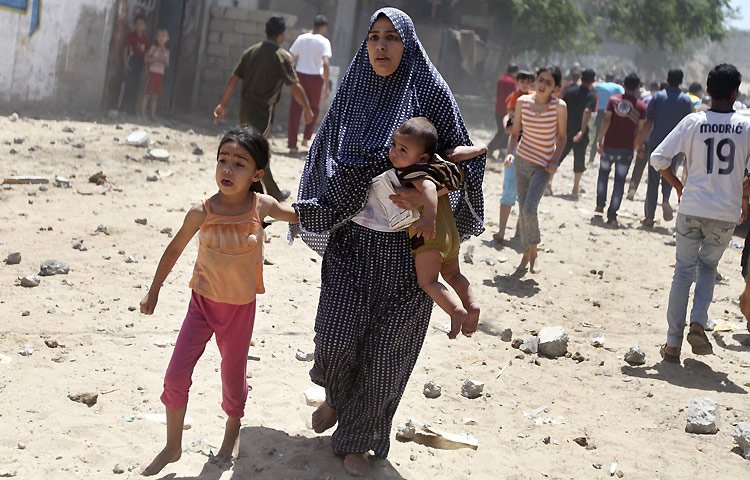
Currently, Gaza’s residents face severe hardships. There is a critical shortage of water, food, and medical supplies. International agencies are working to provide aid, but security issues sometimes halt delivery. Implementation of the Gaza Peace Plan could drastically improve access to these resources.
6. International Stabilization Force Explained
The US Gaza Peace Plan proposes an International Stabilization Force with contributions from countries like Indonesia, Egypt, Qatar, and Turkiye. This force will protect civilians, secure humanitarian corridors, and help neutralize non-state armed groups, all under United Nations monitoring.
7. Importance of the Ceasefire
The current ceasefire in Gaza is extremely fragile. US officials warn that, without a successful resolution from the UN Security Council, renewed Israeli military operations and escalation are very possible. Maintaining peace is the core objective of the Gaza Peace Plan.
8. Global Reactions and Diplomatic Pressure
World leaders—including those from the European Union, Arab League, and China—hold differing perspectives. While the US and Israel support the Gaza Peace Plan, Russia and some other nations have reservations. The debate is receiving extensive media coverage worldwide.
9. Effects on Palestinians
The biggest impact is on local Palestinians. If the Gaza Peace Plan succeeds, families will receive aid, security will improve, and opportunities for development will grow. Failure to implement the plan could increase violence, displacement, and the humanitarian crisis.
10. Is Peace Possible?
Experts say peace in Gaza is achievable only if powerful countries build consensus. If Russia’s alternative proposal is adopted, talks may drag on. Global cooperation and public support are crucial to resolving the conflict and giving Gaza a future.
Conclusion:-
The Gaza Peace Plan stands as a critical turning point for the future of the region. With the United States pressing the UN Security Council for a historic resolution and Russia posing a strong counter proposal, international diplomacy finds itself at a crossroads. Although challenges remain—ranging from humanitarian aid, ceasefire implementation, and military withdrawal—the world watches closely, hoping for lasting peace, security, and stability in Gaza.
Success hinges on consensus, transparent negotiations, humanitarian priorities, and genuine inclusion of Palestinian voices. As new developments unfold, the enduring hope is that the Gaza Peace Plan will move beyond politics to deliver real change and a brighter future for the people of Gaza.