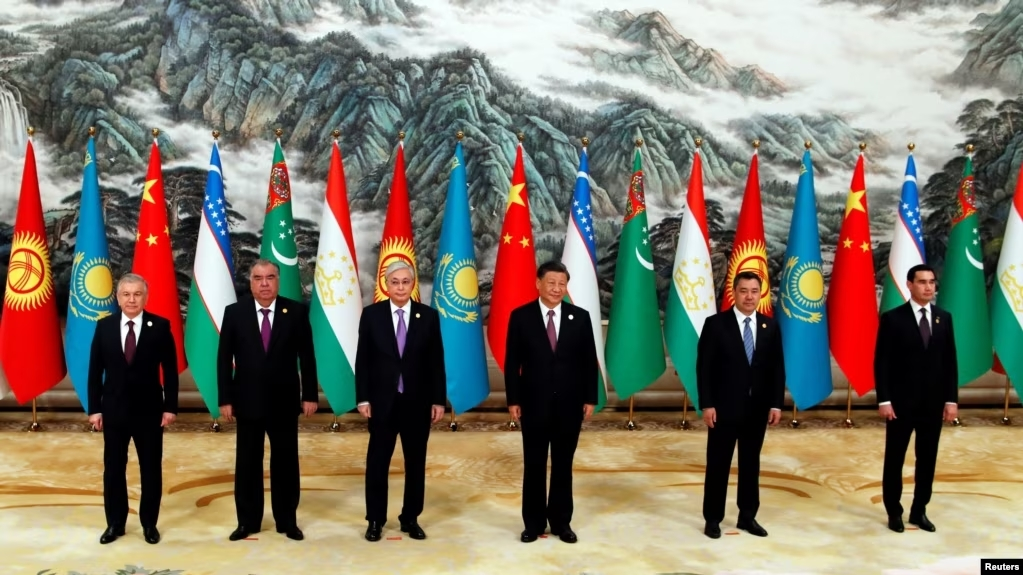
1. Introduction: A New Balance of Power in Asia
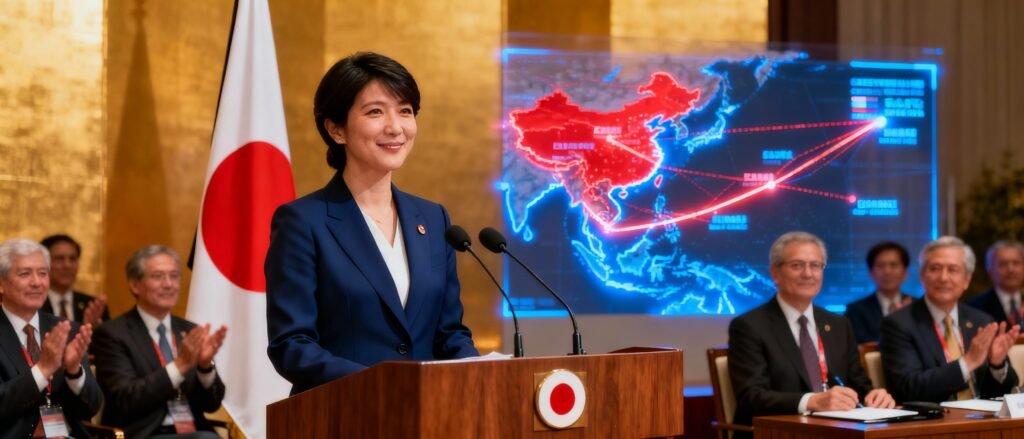
The Balance of Power in Asia is facing its most dramatic shift in years. Japan’s new prime minister, Sanae Takaichi, has taken a historic step by openly promising to defend Taiwan against outside attacks—a stance that’s challenging decades of political tradition. With China’s furious reaction and growing military pressure, every government and ordinary citizen is questioning what this means for the future.
2. Japan Steps Forward: Changing Asia’s Balance of Power
Japan’s bold leadership is altering the Balance of Power in East Asia. For the first time, Tokyo’s leaders have clearly linked Japan’s security to Taiwan’s defense. Prime Minister Takaichi’s declaration in parliament sent shockwaves across global capitals, signaling that Japan will no longer stay silent on the region’s hottest flashpoint.
This new assertion reflects Japan’s desire to protect democratic allies, defend vital trade routes, and maintain a stable Balance of Power against any single country’s dominance.
3. Taiwan’s Role in the Regional Balance of Power
Balance of Power hinges on Taiwan’s fate.
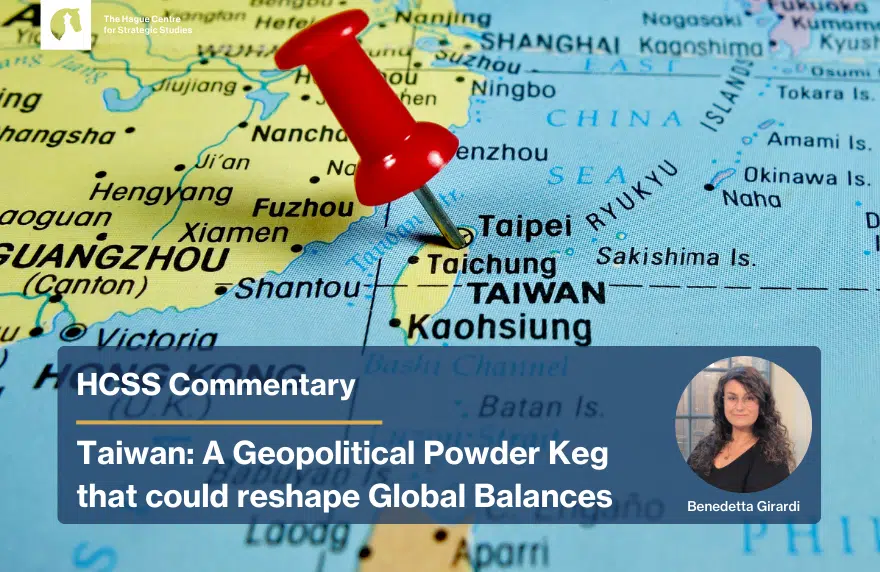
Just 100 kilometers from Japan, Taiwan is a democratic island caught in the middle of China’s claims and America’s protective ambiguity. While Beijing demands reunification and runs complex military drills, Taiwan fights to secure its autonomy—and in the process, shapes Asia’s overall strategic stability.
Japan’s support for Taiwan represents more than friendship—it’s a strategic bet to rebalance power in the region and prevent escalation.
4. China’s Response: Fury and Shifts in the Balance of Power
China sees any move to support Taiwan as a direct threat to its core interests—and, by extension, a challenge to its own Balance of Power–. Beijing reacted with fierce condemnation and “wolf warrior” diplomacy, warning of “dire consequences” for anyone crossing their red lines.
Military exercises have intensified; nationalist voices in media urge confrontation. For China, the Balance of Power is not just politics—it’s a historic mission.
5. Historic Wounds and the Battle for Balance of Power
Memories of war and occupation linger beneath today’s Balance of Power struggles.
China’s commemoration of World War II’s end with major military parades—coupled with renewed debate about war crimes and historical grievances—keeps the narrative emotional and charged.
Japan and China’s inability to fully resolve their past complicates efforts to find modern Balance of Power, leaving the region on edge whenever new disputes arise.
6. Global Implications: Why Balance of Power Matters to the World
A shift in Asia’s Balance of Power can affect the entire world:
- Disruptions in trade routes
- Volatility in international markets
- Shifts in technological and military alliances
The US, Europe, and neighboring countries all monitor changes closely, knowing that the balance between Tokyo, Beijing, and Taipei could redefine everything from supply chains to security guarantees.
7. Street Reactions and Online Narratives
Public response highlights how critical regional power dynamics are in Asia.
Chinese social media erupted in protests and sharp insults, while Japanese embassies urged citizens to stay vigilant. Everyday people engaged in spirited debates both online and offline.
State media in both countries released new films and documentaries, exploring history through the changing lens of political influence and leadership shifts.
8. U.S. & Allies: Maintaining Stability in East Asia
America’s longtime “strategic ambiguity” regarding Taiwan has been put to the test by Japan’s firm stance. The US now faces greater urgency to clarify its strategy, making its partnerships throughout Asia more important than ever for sustaining equilibrium.
European and Asian nations are closely monitoring the situation: will the US shift the region’s balance, or maintain a cautious approach?
The decisions made here will influence diplomatic relations for years to come.
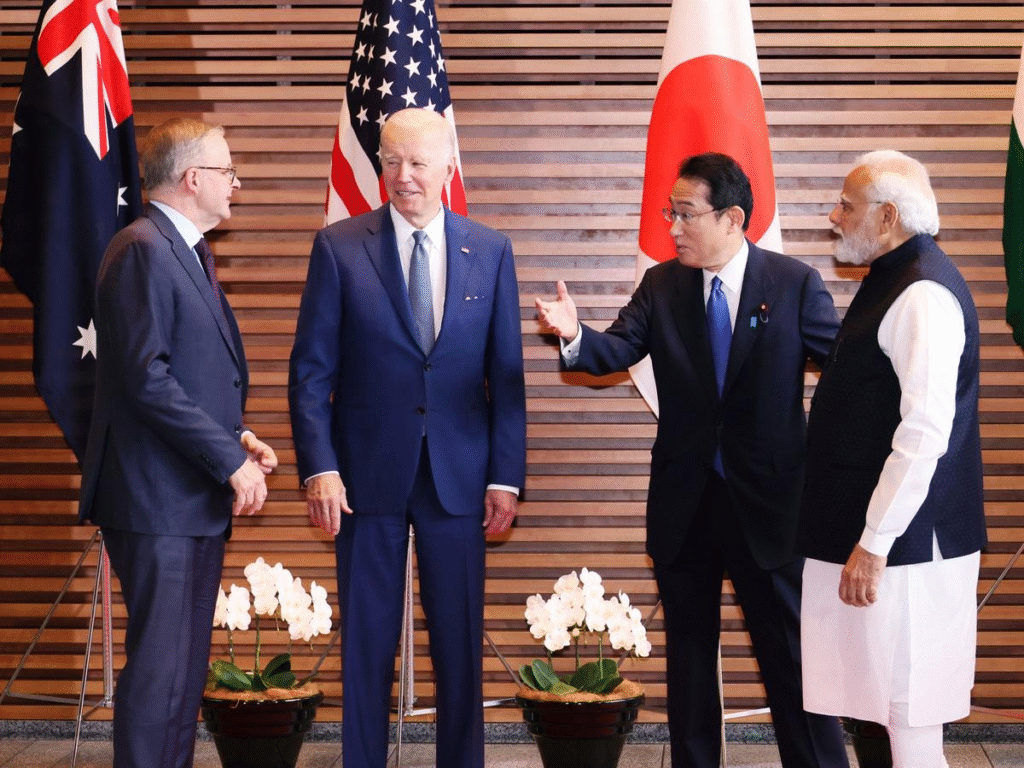
9. Japan’s Domestic Challenges & the Future
Within Japan, questions about power distribution in the region have sparked lively political debate, economic concerns, and heightened public interest.
Supporters commend stronger leadership and increased defense preparations.
Critics caution about potential risks, escalating tensions, and possible negative impacts on economic ties with China.
10. Conclusion: The Evolving Balance of Power
The Asian Balance of Power is not just shifting—it’s being rewritten.
Japan’s bold new stance, Taiwan’s fight for security, and China’s passionate response dramatically illustrate how history, leadership, and ambition collide.
As the world watches, one lesson is clear: the Balance of Power affects everyone—governments, businesses, and citizens. The future will belong to those who navigate change with courage, wisdom, and a commitment to stability.