
China Slams Japan: Introduction
China Slams Japan after an unprecedented diplomatic dispute at the Asia-Pacific summit drew global attention, forcing officials in both countries to rethink their foreign policy and regional strategies. The meeting between Japanese leaders and a Taiwan adviser became the focal point not only for bilateral tensions, but also for wider conversations about security, trade, and collaboration. As “China Slams Japan” made headlines, analysts, businesses, and communities began evaluating the long-term consequences and lessons for the entire region.
China Slams Japan: Diplomatic Dispute in Asia-Pacific
China Slams Japan after a Japanese delegation met a Taiwan adviser, leading to headlines and concern across the Asia-Pacific region. Rather than repeated confrontations, experts and community leaders now urge governments to prioritize negotiation, patience, and balanced diplomacy to address tensions and safeguard economic progress for all nations involved.
China Slams Japan: Origins of the Diplomatic Crisis
The phrase diplomatic disputethe diplomatic dispute first emerged when the Japanese delegation engaged with a senior Taiwanese adviser during a critical Asia-Pacific event. While Japan’s move was meant to foster positive dialogue and economic cooperation, China reacted sharply, calling the meeting a challenge to its sovereignty and regional stability. The resulting diplomatic storm drew in not just the immediate parties, but also nearby nations concerned about peace and future collaborations.
China Slams Japan: Political Fallout and Government Response
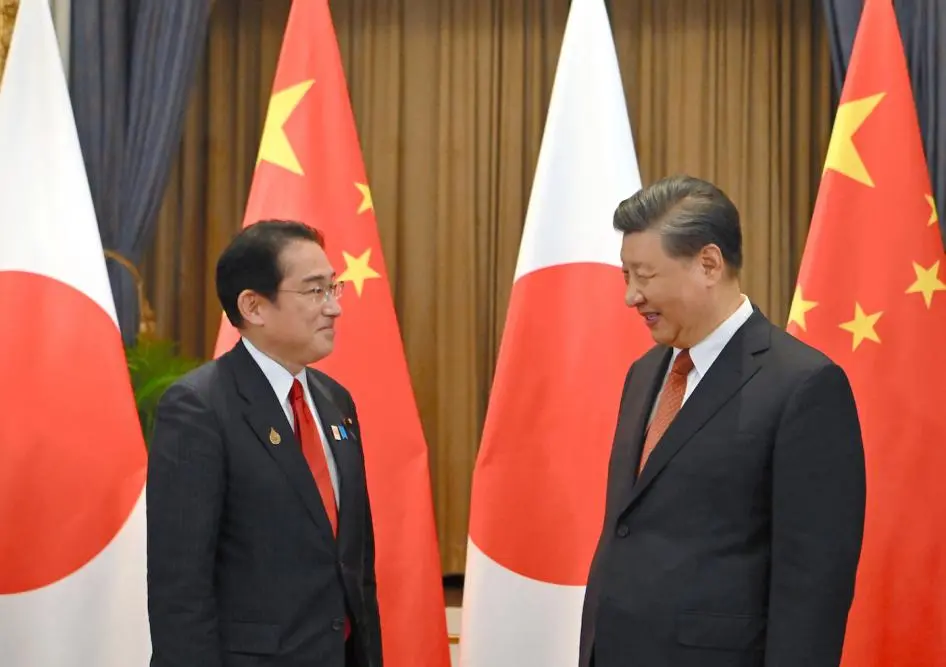
Political leaders in both countries quickly responded as dominated news cycles. Japan’s government defended its actions, emphasizing international norms and the importance of sovereign decision-making. At the same time, China’s officials publicly condemned the engagement, warning of possible repercussions across trade, policy, and security.
China Slams Japan: Impact on Economic Relations
Whenever China Slams Japan, markets respond. The diplomatic row means both nations must reevaluate trade flows, investment strategies, and shared technology projects. Japanese companies, reliant on Chinese imports and exports, began recalibrating risk management plans, while Chinese firms worried about restrictions and lost collaborations. Regional economies observed the situation, concerned that ongoing disputes could disrupt the entire supply chain.
China Slams Japan: Trade and Investment Opportunities
Despite diplomatic tensions, some business experts see openings when it creates uncertainty in traditional markets. Companies may seek new partners, diversify supply sources, or strengthen internal operations. While short-term volatility is expected, proactive planning can help businesses capitalize on emerging opportunities.
China Slams Japan: Security and Military Concerns
Experts say that whenever China Slams , security analysts focus on military developments—troop movements near disputed borders, intelligence sharing, joint exercises, and defense treaties. The latest incident prompted both governments to reassess their readiness and diplomatic channels, knowing that miscommunication could accelerate risk.
China Slams Japan: Historical Lessons in Diplomacy
Looking back, episodes where China Slams have been shaped by history: wars, territorial disputes, and political standoffs. Leaders stress the value of learning from past mistakes—focusing on patience, negotiation, and compromise over confrontation.
China Slams Japan: Regional Alliance Shifts
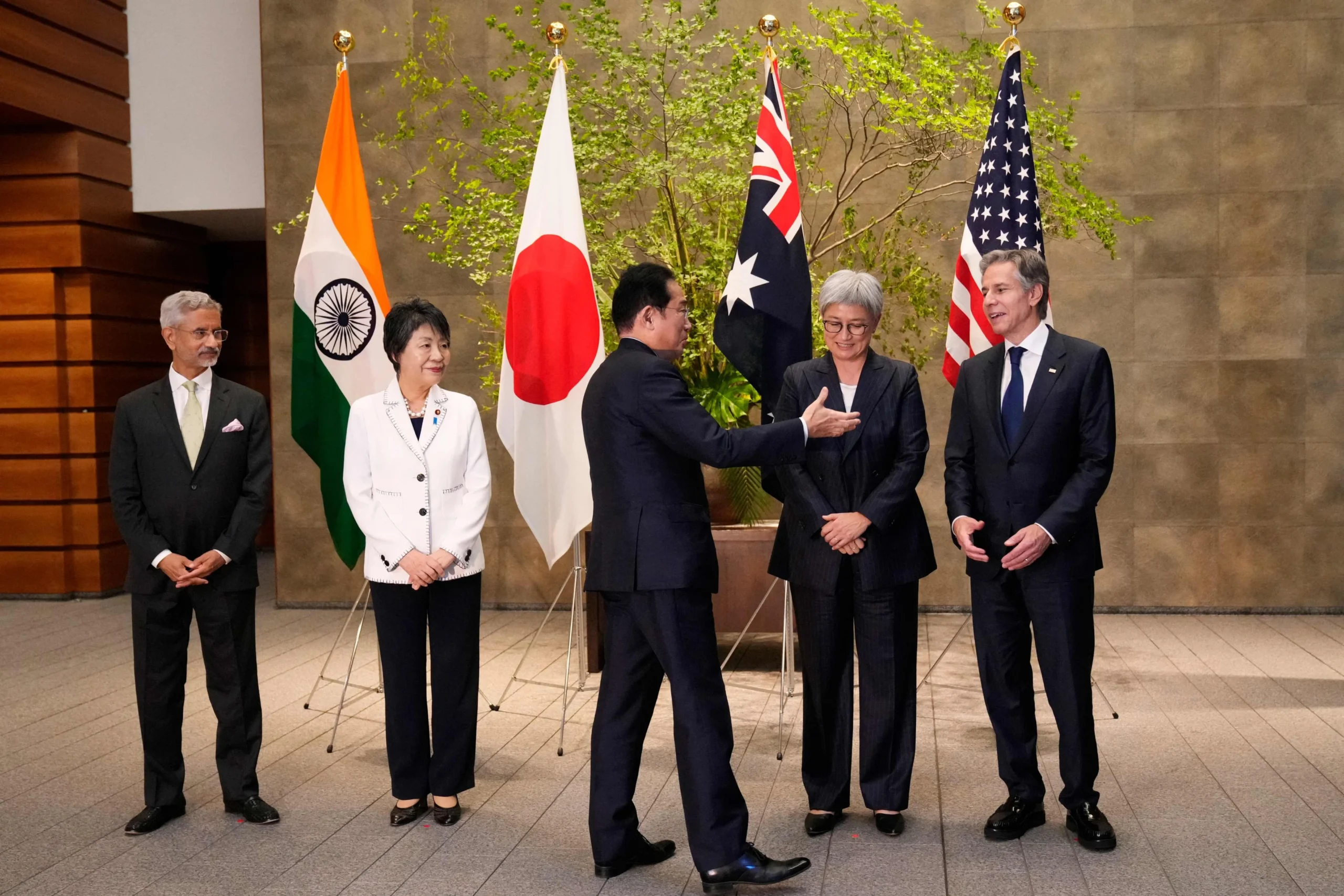
Asia-Pacific alliances are tested whenever china and Japan makes headlines. Countries like South Korea, Singapore, and Australia monitor the situation, seeking to balance their relationships and anticipate changes in policy or security collaboration.
China Slams Japan: The Role of International Media
Global journalists report every moment as China Slams and Japan trends. Stories examine the background, reactions, and implications for everyday citizens, driving conversation in homes, offices, and international conferences.
China Slams Japan: Response from the Business Sector
Business leaders reevaluate production strategies when China Slams and Japan affects the landscape. Some companies accelerate automation; others look for alternative suppliers. Risk management becomes essential for maintaining stability and growth.
China Slams Japan: Community and Social Perspectives
Community leaders and social organizations share their concerns about cultural exchange, education, and cross-border cooperation when China Slams and Japan influences diplomatic conditions. Grassroots programs sometimes slow, but calls for dialogue and peacemaking grow stronger.
China Slams Japan: Global Partnerships and Diplomacy
International partnerships face scrutiny each time China Slams and Japan disrupts unity. Regional forums and summits double down on diplomatic engagement, with global powers encouraging transparency and collaboration for long-term success.
China Slams Japan: Recommendations for Peace
Experts agree: when China Slams and Japan disrupts progress, the only solution is clear negotiation, respectful engagement, and trust-building measures. Regional mediation, regular summits, and cultural exchange programs are vital for returning the region to stability.
Conclusion
In summary, China Slams and Japan marks a turning point in diplomatic relations throughout Asia-Pacific. Political, economic, social, and security impacts require steady leadership and proactive strategies to restore and protect cooperation. By prioritizing dialogue and learning from history, both nations can guide the region toward peaceful development and shared opportunity.