Taiwan Dollar Leads Asian Currencies
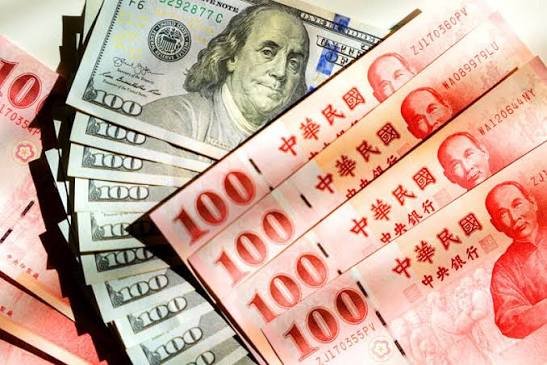
The Taiwan dollar has emerged as the strongest currency in Asia after the US dollar fell below the NT$32 mark for the first time in over a month. This significant movement reflects shifting global economic dynamics, driven by weaker-than-expected US retail sales data and reduced expectations of a Federal Reserve rate hike.
US Dollar Drops Below NT$32
On Monday, August 17, 2026, the US dollar closed at NT$31.852, down 0.61 percent from the previous session. This marks the first time since early July that the greenback has ended below NT$32. The drop came after July retail sales in the United States unexpectedly fell by 0.6 percent, the largest decline in more than a year.
Weak US Retail Sales Shake Markets
Such data has weakened confidence in the US economy and reduced the likelihood of a Federal Reserve interest rate increase in September. Currency dealers in Taipei noted that the US dollar faced heavy selling pressure soon after the local foreign exchange market opened.
US Dollar Index Falls Sharply
This was largely triggered by a broader weakness in the US dollar index, which tracks the greenback against six major trading partners. The index itself fell 0.38 percent, reinforcing the downward trend for the US currency.
Foreign Investors Boost Taiwan Markets
Despite the Taiex, Taiwan’s benchmark stock index, giving up most of its earlier gains to close only slightly higher, foreign institutional investors remained net buyers. They purchased a net NT$45.45 billion worth of shares, driven by fund inflows that further strengthened the Taiwan dollar.
Impact on Importers and Exporters
For businesses involved in import and export, this currency shift carries important implications. A stronger Taiwan dollar makes imports cheaper but can reduce the competitiveness of Taiwanese exports. Companies that rely on raw materials priced in US dollars may benefit from lower costs, while exporters may need to adjust pricing strategies.
What Investors Should Watch Next
Investors are now closely watching two key factors. First, the minutes of the Federal Reserve’s July policymaking meeting, due Wednesday, could provide clearer signals about the central bank’s next move. Second, continued fund inflows into Taiwan and performance of the Taiex will determine whether the US dollar remains below NT$32 for the rest of the week.
Broader Economic Implications
Since the beginning of 2026, the US dollar has risen 1.30 percent against the Taiwan dollar, but recent trends suggest a potential reversal. If the US dollar continues to weaken, it could reshape investment strategies across Asia. Countries with strong export sectors may face new challenges, while those with significant US dollar-denominated debt could find relief in a weaker greenback.
For everyday consumers, currency movements may not seem immediately relevant, but they affect everything from fuel prices to electronics costs. A stronger Taiwan dollar could mean lower prices for imported goods, benefiting households and businesses alike. However, prolonged currency volatility can also create uncertainty, making long-term planning more difficult.
This situation also highlights the interconnected nature of global financial markets. Economic data from the United States, such as retail sales and inflation reports, can ripple across continents, influencing currency values, stock markets, and investment flows in Asia and beyond. Understanding these connections is essential for anyone looking to make informed financial decisions.
Looking ahead, market participants should monitor upcoming economic releases, central bank communications, and geopolitical developments. Any surprises in US economic data or shifts in Federal Reserve policy could quickly reverse recent trends. Similarly, changes in investor sentiment toward Taiwan or other Asian markets could influence currency dynamics.
In summary, the Taiwan dollar’s rise above the US dollar is more than a short-term market fluctuation. It reflects broader economic trends, investor confidence, and the evolving balance of power in global finance. Whether this marks the beginning of a sustained shift or a temporary adjustment remains to be seen, but the implications for businesses, investors, and consumers are undeniable.