
Brent Oil Set for Weekly Jump as Red Sea Conflict Raises Supply Fears
Brent crude oil is moving higher this week as fresh tensions in the Red Sea have renewed fears about global supply. The market is reacting to attacks on tankers and the growing risk that oil shipments could face delays or higher costs. Traders are watching the situation closely because even small disruptions in major shipping routes can affect oil prices very quickly.
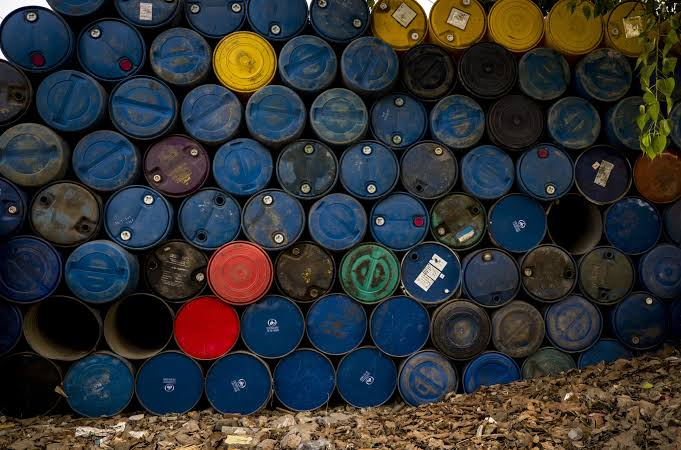
The rise in Brent oil is not only about one event. It is also about market fear, shipping risk, and the possibility of wider conflict in a major energy region. When traders believe supplies may become harder to move, they often buy oil futures more actively. That buying pressure can push prices higher even before any actual shortage appears.
Why Brent Oil Is Rising
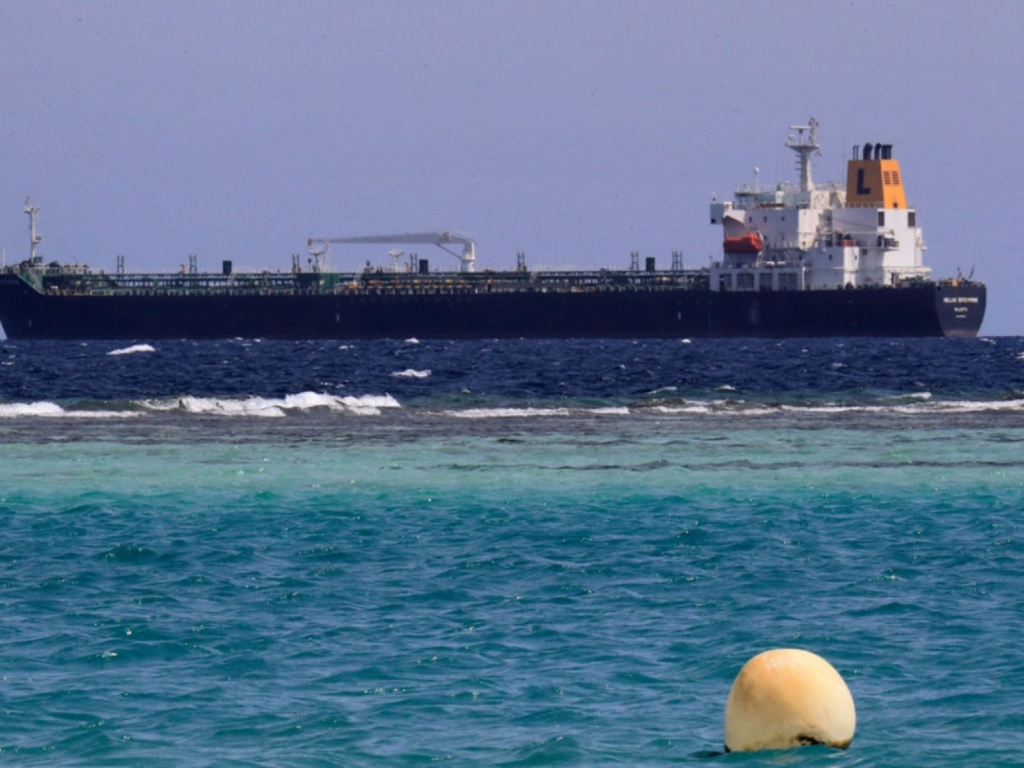
Brent crude gained support after attacks on tankers in the Red Sea raised concerns about the safety of oil transport. The Red Sea is an important route for international trade, so any threat there can affect energy markets fast. A disruption in shipping can create uncertainty about how much oil will reach buyers on time.
Another reason for the price move is the wider Middle East conflict risk. Oil markets do not like uncertainty, especially when it involves important production and transport routes. Even if oil supply has not yet fallen sharply, the fear of possible disruption is often enough to move prices upward.
What The Red Sea Means For Oil Trade
The Red Sea is one of the key routes for global energy shipments. Tankers carrying crude oil and other fuel products often pass through this area on the way to different markets. If ships face attacks, insurance costs can rise, shipping schedules can change, and companies may need to look for longer routes.
These changes can increase the total cost of transporting oil. Higher transport costs may not stay limited to shipping firms. They can also reach refiners, fuel markets, and sometimes consumers. That is why traders treat Red Sea tensions as an important market signal, not just a regional security issue.
How Traders Are Reacting
Oil traders usually respond fast to any sign of supply risk. When news suggests a possible disruption, Brent often rises before the market has full facts. This happens because traders try to protect themselves from sudden price jumps.

In this case, the market is pricing in the chance of tighter supply conditions. The fact that Brent is near $100 a barrel shows how sensitive the market remains to conflict-related news. This does not automatically mean prices will stay high for long, but it does show that the market is nervous.
Impact On Global Markets
A higher Brent price can affect more than just oil companies. It can influence inflation, transport costs, and energy expenses in many countries. When crude prices rise, fuel costs can follow, and that can create pressure on households and businesses.
Countries that depend heavily on imported oil may feel the effect more quickly. Airlines, shipping companies, and manufacturing firms also watch Brent closely because fuel is one of their major costs. If oil stays elevated for a longer period, market expectations for inflation can change as well.
What Could Happen Next
The next move in Brent oil will depend on how the Red Sea situation develops. If tensions ease, the market may calm down and some of the risk premium could fade. If attacks continue or the conflict spreads, prices could remain firm or move even higher.
For now, traders are likely to stay cautious. The oil market often reacts first and asks questions later. That means news from the region may continue to influence Brent prices in the coming days.
What Readers Should Watch
There are a few key points to follow closely. First, watch whether shipping disruptions continue in the Red Sea. Second, monitor whether oil tankers change their routes or face delays. Third, keep an eye on Brent’s movement around the $100 level because that is an important psychological mark for the market.
Readers should also watch for official statements from governments, shipping firms, and energy agencies. These updates can help show whether the situation is becoming more serious or starting to stabilize. In oil markets, the difference between temporary fear and lasting disruption matters a lot.
Final Word
Brent oil’s weekly jump shows how quickly geopolitical tensions can affect energy prices. The Red Sea conflict has created new supply worries, and that has been enough to lift Brent near $100 a barrel. If the risk continues, oil prices may stay supported in the short term.