
Introduction to SAVE America Act
President Donald Trump backs the SAVE America Act to tighten voter rules across the US. This bill demands proof of citizenship like birth certificates or passports for registration and voting. Senate talks restarted recently, with 2026 midterms just months away. The debate has turned this legislation into one of the most closely watched issues in Washington as both parties frame it as a test of how US democracy should work in the coming years.
House Republicans passed it in February on party lines. Now it faces a tough Senate fight. Trump refuses to sign other bills until this one clears. For his supporters, this stance shows he is serious about changing election rules, while opponents see it as political pressure on Congress to accept a controversial law.
What the Bill Requires
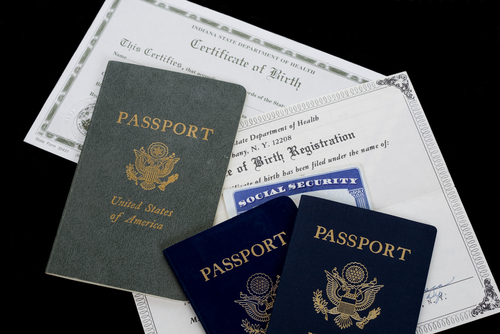
Voters must show citizenship documents for mail-in or in-person ballots. Options include passports, birth certificates, naturalization papers, or tribal IDs. States handle checks against federal databases and are expected to update their systems to verify information more quickly before election day.
Current laws rely on sworn statements under penalty of law. The SAVE Act adds hard proof to stop any gaps. Supporters say this locks in fair elections and makes it harder for any ineligible person to slip through the system. They argue that the same level of documentary proof already exists in other areas of life, such as getting a job or a government benefit, so voting should not be treated as an exception.
Trump’s Strong Push
Trump calls noncitizen voting a massive problem. He claims millions vote illegally, though data shows rare cases. Groups like the Heritage Foundation and other researchers have tracked allegations for decades and found only a small number of confirmed incidents compared with the total number of ballots cast.
He ties it to his top goals and regularly highlights the SAVE America Act at rallies and in speeches. GOP leaders see it as a midterm boost that can energise their base and show they are serious about what they call election integrity. They hold 53 Senate seats but need 60 votes to pass, which forces them either to win over some Democrats or to rethink Senate rules.
Republican Strategy in Senate
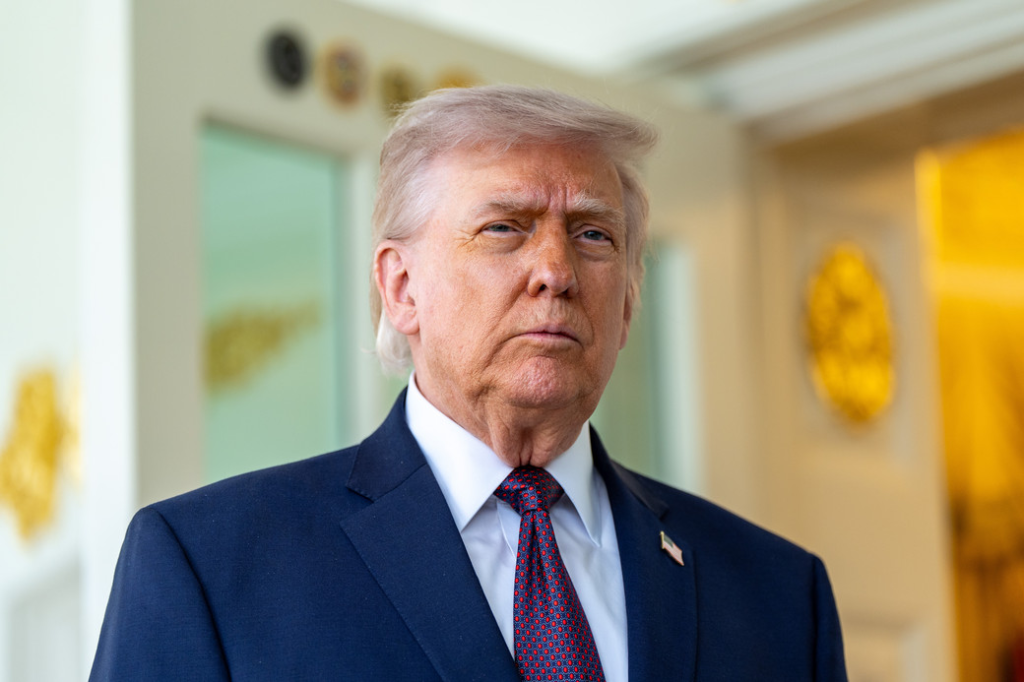
Republicans eye the nuclear option to cut filibuster rules. That needs just 51 votes and changes the Senate forever by making it easier to pass major bills on a simple majority. Party base cheers tighter security and many conservative commentators call on senators to “do whatever it takes” to send the bill to Trump’s desk.
Leaders like House Speaker Mike Johnson push non-stop. They bet strict rules fire up voters and cut turnout in key groups that often support Democrats. Behind closed doors, strategists also see the SAVE America Act as part of a wider agenda on immigration, borders, and law and order, tying voting rules to a larger political message.
Evidence on Noncitizen Voting
Texas and Utah checked millions of ballots and found almost zero cases. One state saw one noncitizen vote in two million over years. Systems flag suspects with under 1 percent error rates when they compare voter lists with federal databases, showing that large-scale fraud is not supported by the available numbers.
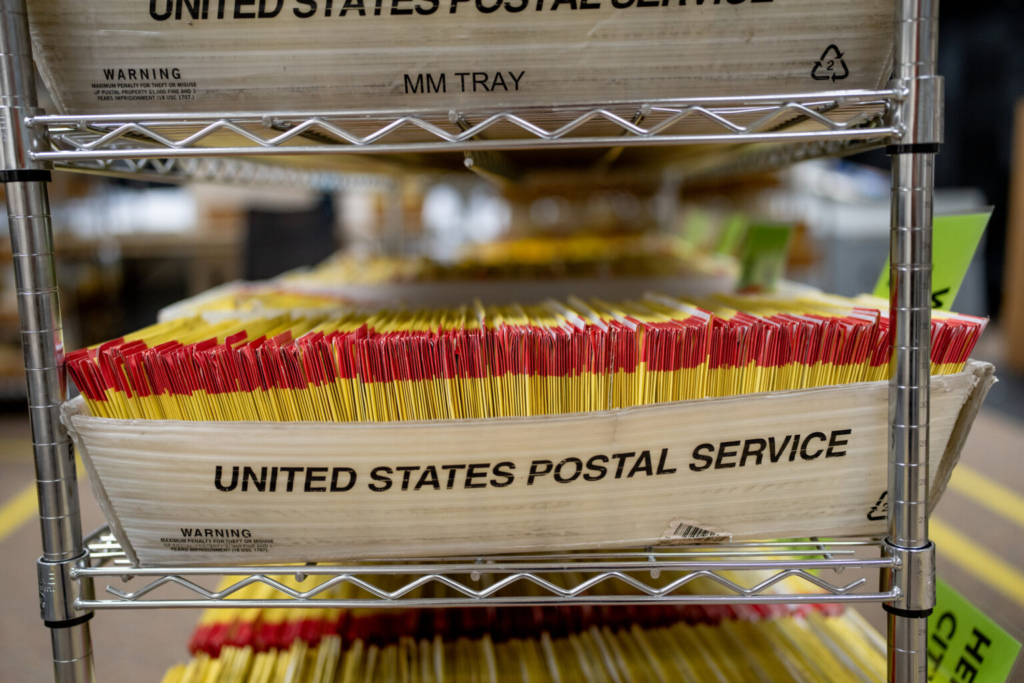
Federal databases already catch most issues. Supporters point to errors on rolls as reason for change, such as outdated entries or people who moved but stayed on old lists. Critics call fraud claims overblown and say that paperwork rules will create far more problems than they solve, especially when the confirmed cases of abuse are so small.
Risks for Everyday Voters
About 21.3 million Americans lack easy access to proof documents that show citizenship. Eleven percent miss birth certificates; 52 percent have no passports or do not keep them in a place where they can be quickly used for official checks. Moves, floods, military life, or lost papers create hurdles that can turn a simple registration into a long process.
Factory workers in Ohio wait months for replacements from crowded state offices. Moms born abroad hunt old records from hospitals or consulates. Veterans face mail delays from bases or overseas postings when they try to update their details before an election. These small obstacles can add up and push people away from the polls.
Low-income families, minorities, and rural areas hit hardest. Costs and time drain budgets for people who cannot easily take a day off or pay for certified copies. Democrats predict court fights over burdens, and civil rights groups warn that the law could have a chilling effect, making some people afraid to register at all if they worry about mistakes or missing documents.
Democratic Opposition
Democrats block it outright. They call it suppression masked as safety and argue that it targets groups that already struggle to participate fully in elections. No vote happens without 60 backers or rule changes, so they focus on keeping their caucus united against any shift in Senate procedure.
Senate Minority Leader Chuck Schumer vows resistance and describes the bill as a “solution in search of a problem”. Polls split by party: Republicans back controls, Democrats see barriers, and independent voters are divided, with many wanting secure elections but also worried about people losing their right to vote.
State-Level Impacts
Georgia and Texas run strict ID laws with lawsuits ongoing over their impact. SAVE Act sets national rules over state patches, forcing every state to meet the same documentary proof standard instead of experimenting with their own mix of rules. Poll workers train up; databases update; and local officials must rewrite guidance before ballots go out.
Billions in costs split federal and state as new systems, staffing, and public awareness campaigns roll out. Election offices brace for rush before midterms, expecting more questions at help desks, longer lines at registration drives, and pressure to avoid mistakes that could lead to legal complaints.
Midterm Stakes
GOP sweep locks in borders and taxes agenda, along with tighter national voting standards if the law takes effect in time. Democratic wins stall it and could reopen talks about broader voting rights protections. Trump rode vote talk to his 2024 win; echoes linger as he keeps warning his supporters that the system is at risk unless rules change.
Every seat counts in November 2026. Ads flood airwaves from both sides, with one side promising to “protect your vote” and the other side warning “don’t lose your voice”. The SAVE America Act becomes a central theme in campaign speeches, debates, and social media messaging.
Broader Fight Ahead
This taps deep divides on elections: who should vote, how they prove it, and how much risk of fraud society is willing to accept. Past citizenship pushes failed in courts when judges ruled that burdens were too high or not justified by evidence, but Trump’s hold on the Republican Party gives this new effort more momentum.
Voters from cities to towns watch close. Does proof protect or shrink voices? Road to midterms runs through this battle, and whatever happens to the SAVE America Act is likely to shape future fights over voter ID, mail-in ballots, and the basic rules of American democracy.
As the debate over the SAVE America Act intensifies, one question hangs over the 2026 midterms: will stricter proof-of-citizenship rules truly protect US elections, or end up silencing millions of eligible voters? The answer will shape not just this year’s results, but how Americans think about voting rights for years to come.