
Gold Rush for Developers: How ChatGPT’s New App Store Is Changing Everything
A new gold rush for developers has started with the launch of ChatGPT’s own in‑chat app store. Instead of building separate mobile or web apps, developers can now create tools that live directly inside ChatGPT conversations and reach millions of users instantly. For many people in tech, 2025 is beginning to feel a lot like 2008, when the Apple App Store opened the door to a whole new world of opportunities.
OpenAI has turned ChatGPT from a simple chatbot into a full platform where apps, integrations and custom tools can be discovered, installed and used without ever leaving the chat window. This shift is exactly why so many people are calling it a gold rush for developers, because early movers could build products, audiences and businesses much faster than on traditional platforms.
What Is the New ChatGPT App Store?
The new ChatGPT app directory works like an app store inside the chat interface. Users on web, iOS and Android can open a dedicated Apps section, browse featured tools, explore categories like Productivity or Lifestyle, and connect third‑party apps directly into their conversations.
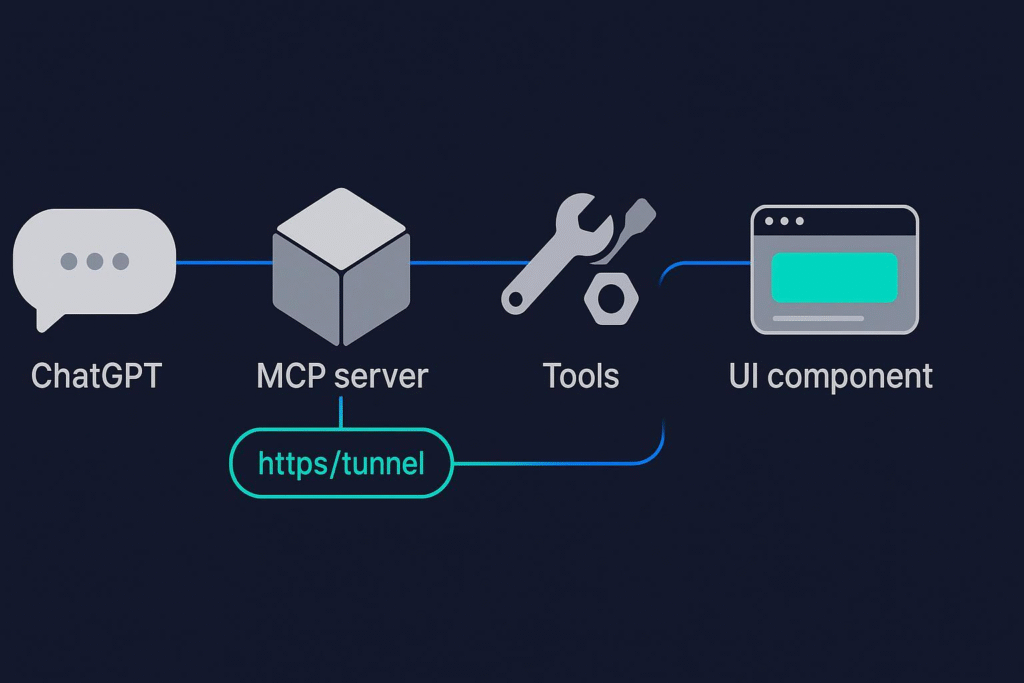
OpenAI’s Apps SDK lets developers create “chat‑native” apps that extend what ChatGPT can do. These apps can pull in real‑time data, connect to external APIs, trigger actions in other services and show custom mini‑interfaces—without forcing the user to leave the chat. Big brands like Expedia, Spotify, Canva and Booking.com are already integrated, showing how powerful this model can be for both consumers and businesses.

Why 2025 Feels Like a Gold Rush for Developers
There is a reason people keep using the phrase gold rush for developers when talking about this new ChatGPT platform. Just like the early days of smartphone app stores, the market is wide open, user growth is huge and competition in many niches is still low.
ChatGPT already has hundreds of millions of active users each week, and many of them open the app daily for work, study and personal tasks. By building directly on top of this traffic, developers can skip some of the hardest parts of launching a product, such as finding users, building a UI from scratch and maintaining separate mobile apps. Instead, they can focus on unique logic, data and value, while ChatGPT handles conversation, interface and delivery.
In a typical gold rush, tools and services built early often become the default choice for years. The same thing could happen here: the best early ChatGPT apps in categories like finance, education or productivity could become the “first apps people try” for millions of users.
How the Apps SDK Powers This Gold Rush
At the core of this gold rush for developers is OpenAI’s Apps SDK, which gives developers a structured way to build and publish ChatGPT apps. The SDK is based on the Model Context Protocol and includes features that go far beyond simple prompt engineering.
With the Apps SDK, developers can:
- Connect to secure APIs for real‑time data like prices, bookings or analytics.
- Create custom in‑chat widgets and interfaces that feel native to ChatGPT.
- Manage state and sessions for ongoing workflows, such as multi‑step forms or long projects.
- Handle authentication and permissions with OAuth, so users can safely log in to their existing services.
Once an app is ready, developers submit it through the OpenAI developer platform for review. Approved apps are then listed in the ChatGPT app directory, making them discoverable by users searching for specific capabilities or browsing categories.
Where the Gold Rush for Developers Is Strongest
Not every idea is equally powerful in this new environment, so it helps to understand where the gold rush for developers is strongest. Early patterns suggest that some categories work especially well inside ChatGPT:
- Finance and budgeting tools: People naturally want to ask questions about money in simple language and get instant, personalised answers.
- Education and learning: Tutors, course helpers, quiz generators and explainers fit perfectly into a conversational interface.
- Productivity and workflow: Apps that can draft emails, generate slides, summarise meetings or manage tasks directly in chat save time and clicks.
- Research and data tools: Connecting ChatGPT to specific datasets, dashboards or analytics systems can turn it into a powerful research assistant.
In these areas, developers who move early and build reliable, useful tools can ride the wave of user interest as the app directory grows.
Benefits of This Gold Rush for Developers
For developers, the gold rush for developers offers several key advantages compared to traditional app stores.
First, the user base is already massive and highly engaged, so discovery happens in a context where people are actively trying to solve problems. Second, development can be faster because there is no need to build full front‑ends and native mobile experiences—conversation is the main interface. Third, OpenAI and partners are planning monetisation options, which could allow app creators to earn income directly from usage or subscriptions in the future.
This combination of reach, speed and potential revenue is what makes this moment feel like a true gold rush for developers rather than just a small feature update.

The Risks Behind the Gold Rush
Of course, every gold rush also comes with risks, and the gold rush for developers around ChatGPT is no different. One major concern is platform dependence: apps live inside ChatGPT and depend heavily on OpenAI’s rules, review process and long‑term strategy. Any change in policies, pricing or ranking algorithms can strongly affect a developer’s business.
Another risk is competition. As more developers join, many app ideas will start to look similar, and standing out in the directory may become harder over time. There are also open questions about data privacy, security and compliance, especially for apps that handle sensitive information in areas like finance or health.
Finally, monetisation is still evolving. While it is clear that OpenAI wants to support paid apps and revenue‑sharing models, the exact terms and best strategies will take time to stabilise. Developers who join this gold rush for developers should be prepared for changes and uncertainty as the platform matures.
How to Prepare Before Jumping Into the Gold Rush
Anyone thinking about joining this gold rush for developers should move quickly but thoughtfully. A rush without a plan can waste time, while a calm, structured approach can turn this moment into a real opportunity.
Some smart steps include:
- Start with one clear problem. Choose a focused use case where chat makes things easier, not harder—such as Q&A, step‑by‑step workflows or personalised guidance.
- Prototype fast, then refine. Use the Apps SDK and example apps to build a basic version quickly, then improve it based on real user feedback.
- Think about trust and safety. Design your app so it handles user data responsibly and provides clear explanations when it cannot or should not do something.
- Plan beyond launch. Getting into the app directory is just the start; long‑term success depends on updates, support, marketing and continuous improvements.
By following these steps, developers can benefit from the gold rush for developers without relying purely on luck or hype.
Final Thoughts on the Gold Rush for Developers
The launch of ChatGPT’s in‑chat app store has created a real gold rush for developers, similar to the early days of the smartphone revolution. With a huge built‑in audience, powerful new tools and a growing marketplace, there has rarely been a better time for developers to experiment with AI‑powered products.