Oil prices surge after new US strikes on Iran
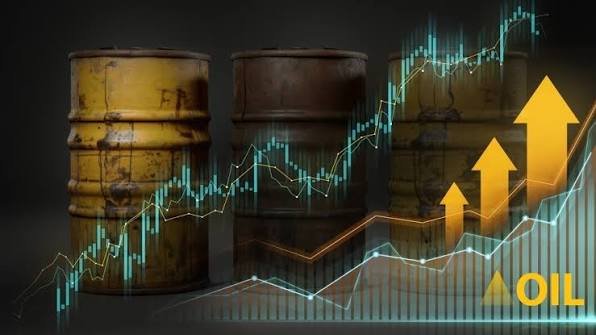
Oil prices surged on Wednesday after the United States launched fresh strikes on Iran, raising fears of new disruptions in one of the world’s most critical energy corridors. The move snapped a recent slide in crude benchmarks that had driven prices back towards pre-war levels, catching traders and consumers off guard.
Brent crude, the main international benchmark, climbed more than 3 percent and moved above 76 dollars a barrel for the first time in two weeks. The latest spike underscores how quickly oil prices can surge when tensions flare in the Middle East, especially around the narrow Strait of Hormuz.

From pre-war levels back to tension-driven highs
In recent days, oil prices had been easing as markets grew more confident that a fragile ceasefire and emergency stock releases would keep supplies stable. This gradual decline had brought benchmarks close to pre-war levels, giving temporary relief to energy-importing countries and consumers.
The new US strikes on Iran have now reversed that trend, reminding markets that any escalation in the region can quickly erase recent gains. For many analysts, the sharp move shows that the earlier calm was always fragile and heavily dependent on geopolitical restraint.
Why oil prices surge when the Strait of Hormuz is at risk
The Strait of Hormuz is one of the most important chokepoints for global oil supply, linking the Gulf with major shipping routes in the Arabian Sea and beyond. A significant share of the world’s seaborne crude passes through this narrow waterway, making it highly sensitive to conflict or blockades.
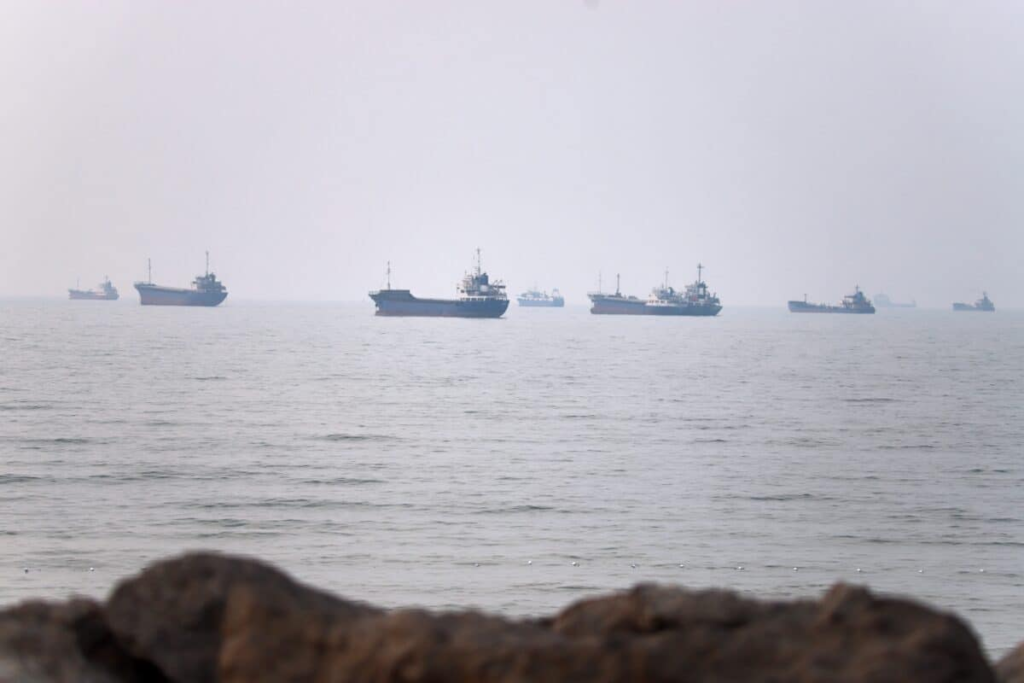
Recent attacks on commercial vessels in and around the strait triggered strong reactions from Washington and its allies, who blame Iran for targeting shipping lanes. In response, the US launched what it described as a series of powerful strikes to impose costs for attacks on civilian-crewed vessels, raising fears of broader disruption to tanker traffic.
Sanctions, waivers and the supply shock factor
Adding to market anxiety, the US Treasury revoked a temporary 60-day waiver that had allowed limited sales of Iranian oil as part of ongoing negotiations. Under the new order, transactions linked to those waivers will end earlier than expected, effectively tightening sanctions again.
By closing off this channel, the US has removed a modest but important source of supply from the global market. For traders, this combination of physical risk in the Strait of Hormuz and renewed sanctions pressure makes it more likely that oil prices will remain elevated, even if further escalation is avoided.
Market reaction: oil up, stocks mixed
The surge in oil prices has already rippled through regional financial markets. Asian stock indices showed a mixed reaction, with some markets posting losses on worries about higher energy costs and others managing modest gains.
Energy companies and producers could benefit from stronger prices, but fuel-importing economies face renewed pressure on inflation and trade balances. For policymakers, the latest jump in oil prices complicates efforts to keep consumer prices in check and support fragile economic recoveries.
Analysts warn of prolonged volatility
Market analysts expect oil prices to remain volatile as long as uncertainty around the Strait of Hormuz persists. Some experts note that emergency stockpile releases and earlier supply adjustments had helped cap prices, but those buffers are now being depleted.
Others warn that if tanker traffic through the strait remains significantly below normal levels for months, the global energy system could face a sustained period of higher prices and recurring price spikes. For now, many traders believe crude has found a short-term floor, with further gains possible if tensions worsen.
What this means for consumers and businesses
For consumers, an oil prices surge often translates into higher petrol, diesel and transport costs within weeks. Airlines, shipping firms and logistics companies may also face rising fuel bills, which can eventually feed into the prices of goods and services.

Businesses with thin margins in energy-intensive sectors could feel the strain quickly, especially if hedging strategies were built on expectations of stable or falling prices. Governments may come under pressure to adjust fuel taxes, subsidies or strategic reserves to cushion the blow on households.
Three key questions for the weeks ahead
Looking ahead, markets and policymakers will focus on three key questions. First, will the latest US strikes deter further attacks in the Strait of Hormuz, or will they prompt another round of retaliation from Iran? Second, can diplomatic efforts revive the fragile understanding that had helped calm oil prices in recent weeks?
Third, how long will sanctions and shipping disruptions keep oil prices elevated above recent lows? The answers to these questions will determine whether this latest surge is a brief spike or the start of a longer period of higher energy costs.