Oil Prices Fall as Traders Watch Trump-Iran Talks
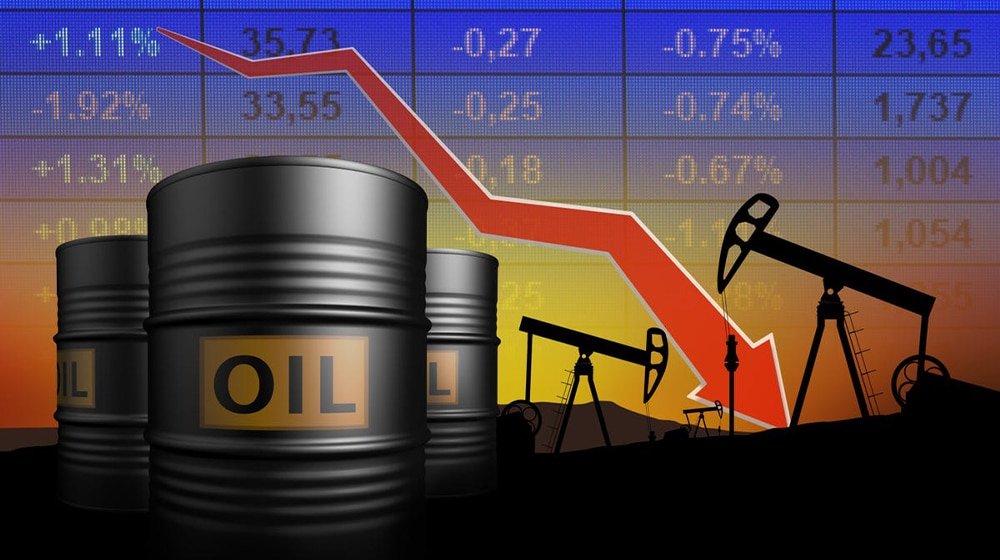
Oil prices moved lower as traders followed fresh talks between the United States and Iran in Qatar. Brent crude fell to about $72.92 a barrel, while US WTI dropped to about $69.50. The market reacted to signs that the latest peace framework may hold, even though the deal is still fragile. Traders did not treat the news as the end of the story, but it was enough to push prices down.
Why the Market Turned Lower
The main reason for the drop was hope that tension around the Strait of Hormuz may ease. This waterway is one of the most important oil routes in the world, so every sign of calm matters to traders. When the risk of blocked shipping goes down, oil prices usually lose some of the extra cost they had built in.
The latest move also came after Trump said talks would take place in Qatar. Iran later gave mixed signals, which showed how delicate the situation still is. Even with that uncertainty, traders saw enough progress to send prices lower for the day and for the month.
Brent and WTI Both Come Off Recent Levels
Brent crude, the global benchmark, ended the month with one of its sharpest monthly falls in years. WTI also slipped and finished June with a strong decline. The fall shows how quickly oil prices can move when traders think a conflict may ease and supply may return to normal.
For oil buyers, lower prices are welcome. For oil producers, they are a warning sign. A lower crude price can reduce income for exporters and can also affect energy company profits. That is why the market watched the US-Iran talks so closely.
Strait of Hormuz Still Matters
The Strait of Hormuz remains the biggest concern in the oil market. If shipping through that route slows or stops, oil prices can jump fast. That is what happened earlier when conflict and airstrikes raised fears of supply trouble.
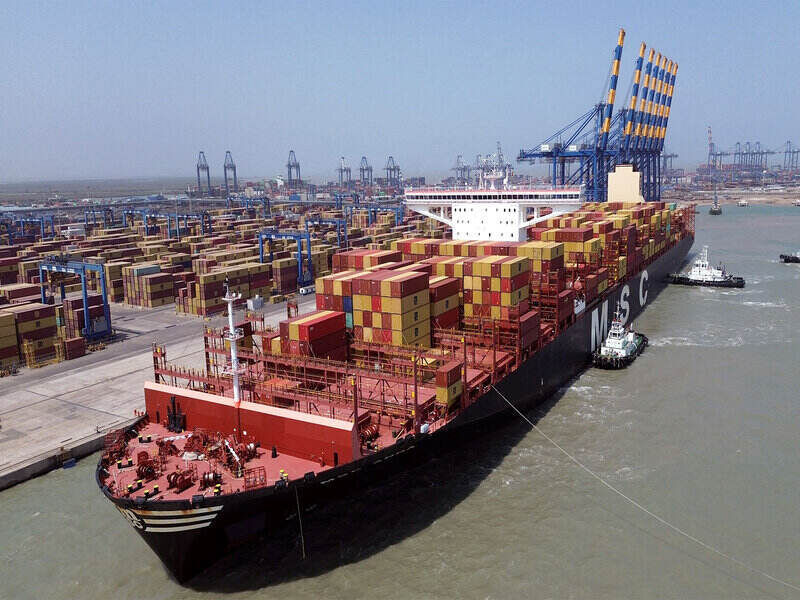
Now, even though the peace deal is not fully safe, traders think the immediate danger has come down. That was enough to bring Brent and WTI lower. The market is not saying the problem is over. It is saying the worst-case risk looks less likely for now.
What This Means for the Global Economy
Lower oil prices can help importers, airlines, transport companies, and consumers. Cheaper fuel often means lower inflation pressure, and that can give central banks more room to hold rates steady. Countries that depend on imported energy may also get some relief in trade bills and foreign exchange pressure.

But the situation can change quickly. If the talks fail, or if new tensions rise again, oil could jump back up in a short time. That is why traders are staying careful even while prices have moved lower.
What Traders Will Watch Next
The next few days matter a lot. Traders will watch whether US-Iran talks continue, whether the ceasefire stays in place, and whether shipping through the Strait of Hormuz remains open. They will also watch official comments from Washington, Tehran, and Qatar, because every new statement can move the market.
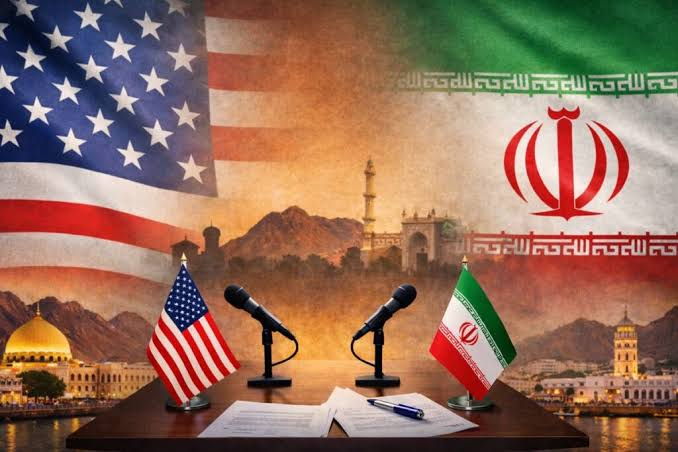
For now, the story is simple. Oil prices have fallen because the market sees less danger than before. Brent and WTI are still sensitive to every headline, but the direction has changed from panic to caution.
Final Takeaway
This move in oil is not just about energy. It also shows how political news can change market mood very fast. When conflict risk falls, oil usually cools down. When peace talks stall, oil often moves the other way. That is why traders keep one eye on prices and the other on politics.
For now, oil buyers have some relief, producers have some pressure, and the market is waiting for the next signal from the US-Iran talks.