Why the Global Gold Market Is Facing Sudden Selling Pressure
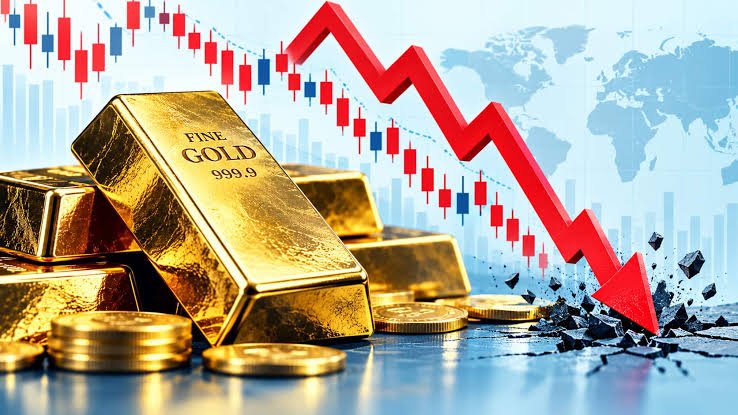
Gold prices have come under heavy pressure this week, putting the precious metal on track for its biggest weekly decline in eight months. A stronger US dollar and growing expectations of another interest rate increase in December have made investors more cautious about holding gold.
Gold Prices Record Their Biggest Weekly Drop Since March
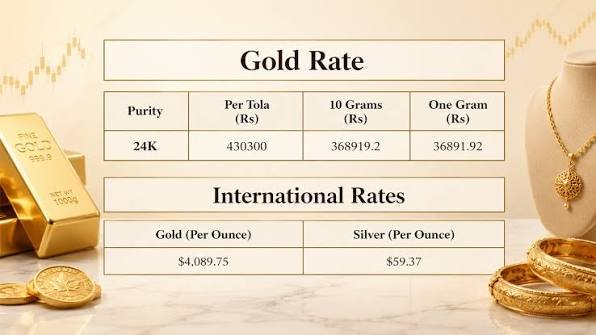
On Friday, November 20, spot gold fell 1.9% to $3,552.39 per ounce. Earlier in the trading session, prices touched their lowest level since September 2025.
Gold had already lost around 8.5% of its value during the week. This marked its sharpest weekly decline since the week ending March 20.
US gold futures for December delivery also moved lower, falling 3.6% to $3,553.10 per ounce.
The latest decline shows how quickly market conditions can change. Gold had attracted strong interest from investors, but concerns about interest rates and the strength of the dollar have now put significant pressure on prices.
1. Strong US Dollar Makes Gold More Expensive
One of the main reasons behind the fall in gold prices is the strength of the US dollar.
The dollar remained close to a 19-month high, making gold more expensive for buyers using other currencies. Since gold is traded internationally in US dollars, changes in the dollar’s value can influence demand from overseas buyers.
When the dollar becomes stronger, international investors may find it harder to purchase gold at the same price. This can reduce demand and put additional pressure on the market.
2. Federal Reserve Rate Hike Expectations Weigh on Gold
Expectations of another US interest rate increase have also affected investor confidence.
Markets were pricing in a 99.3% chance of a 25-basis-point rate increase in December, according to the CME FedWatch tool.
Federal Reserve Bank of Philadelphia President Anna Paulson said that another rate increase would be needed because inflation remained too high.
Higher interest rates can make savings accounts and interest-bearing investments more attractive. Gold does not provide regular interest payments, so investors may choose other assets when interest rates rise.
This is one reason why expectations of tighter monetary policy can put pressure on gold prices.
3. Inflation and Higher Yields Add More Pressure
Inflation remains another important factor for the precious metals market.
Persistent inflation can encourage central banks to keep interest rates higher for longer. Higher bond yields can make interest-bearing investments more attractive, reducing the appeal of gold among investors.
These market conditions have added to the selling pressure seen throughout the week.
Investors are now paying close attention to economic data and central bank comments to understand whether interest rates could remain high or increase further.
4. Buyers in India and China Look for Lower Prices
Despite the sharp decline, demand for physical gold showed signs of improvement in two major markets: India and China.
Lower prices encouraged some buyers to enter the market and purchase gold at more affordable levels.
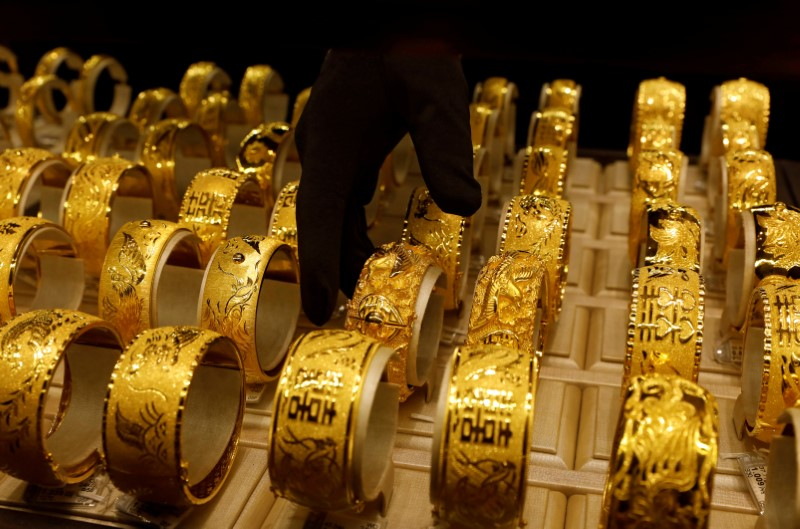
In China, some investors viewed the correction as an opportunity to buy. This suggests that falling prices do not always mean demand disappears. For certain buyers, a market decline can create an opportunity to purchase gold at a lower cost.
However, stronger physical demand has not yet been enough to reverse the wider market decline.
5. Silver, Platinum and Palladium Also Move Lower
The pressure was not limited to gold. Other precious metals also recorded losses during Friday’s trading session.
Silver fell 2.4% to $41.73 per ounce, while platinum dropped 3.1% to $1,302.45. Palladium also declined by 2.5% to $886.86 per ounce.
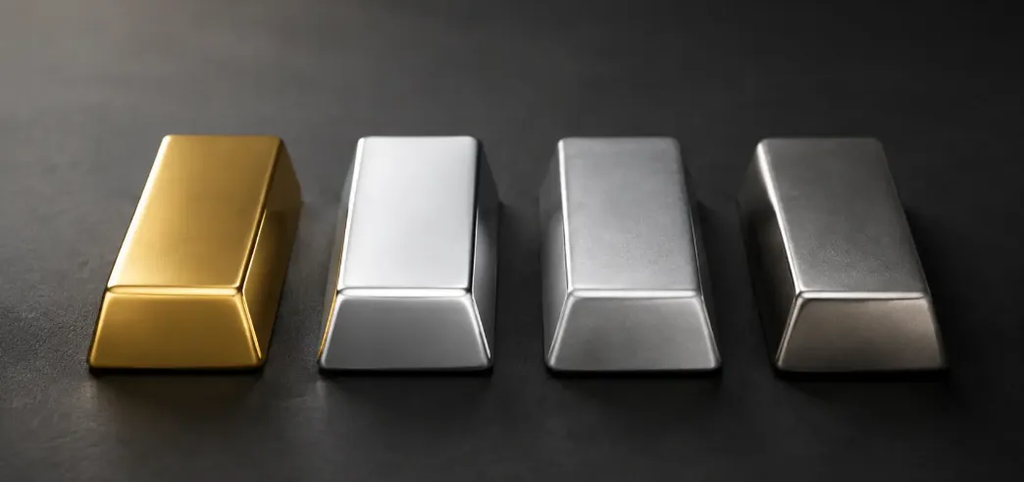
All three metals were heading towards weekly losses, showing that weakness had spread across the wider precious metals market.
What Could Happen to Gold Prices Next?
The next direction of gold prices will depend on several important factors, including the US dollar, inflation figures and Federal Reserve decisions.
If the dollar remains strong and interest rate expectations continue to rise, gold could face further pressure. On the other hand, a weaker dollar or a change in expectations about interest rates could help the market recover.
Demand from major gold-buying countries may also influence prices in the coming weeks.
For now, investors and gold buyers are watching the market carefully. The recent 8.5% weekly decline is a reminder that gold prices can experience sharp movements, even when long-term interest in precious metals remains strong.
Final Outlook: Gold has faced one of its toughest weeks in eight months. Whether prices recover or continue falling will largely depend on the direction of the US dollar and the next decisions surrounding American interest rates.