
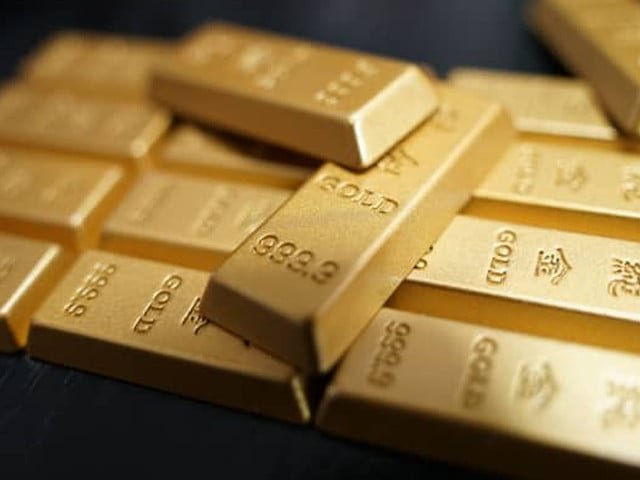
Gold Jumps Rs4,000 per Tola as Global Bullion Prices Recover
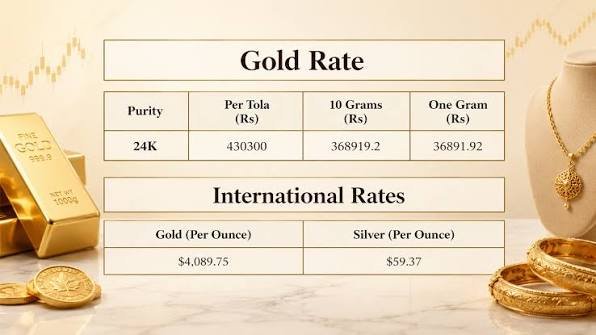
Gold prices in Pakistan rose sharply on Monday, with the price of 24-karat gold per tola increasing by Rs4,000. The jump came after global bullion markets recovered, showing how closely local gold rates remain tied to international trends.
According to market reports, the rise in gold prices followed a stronger tone in the global bullion market. Investors also reacted to changing expectations in the international economy, currency movements, and safe-haven demand. For buyers in Pakistan, the increase means gold has become more expensive again, especially for those planning weddings, savings, or investment purchases.

The latest move is another reminder that gold is highly sensitive to global market shifts. Even a small change in international prices can quickly push local rates higher. In Pakistan, where gold is widely used for savings and jewellery demand, this kind of increase is closely watched by traders, households, and investors alike.
Why Gold Prices Increased
The rise in gold prices was not driven by one single reason. Instead, several market factors came together and pushed bullion higher. Here are the main reasons behind the latest jump.
1. Global bullion prices recovered
The biggest reason behind the local rise was the improvement in international bullion prices. When global gold becomes stronger, Pakistan’s domestic market usually follows the same direction.
2. Safe-haven demand returned
Gold often rises when investors become cautious about financial markets, inflation, or geopolitical uncertainty. As confidence changes, more money moves into gold because it is seen as a safer asset.
3. Currency pressure matters
The Pakistani rupee plays an important role in gold pricing. If the rupee weakens against the US dollar, imported gold becomes costlier, which pushes up the local price per tola.
4. International market support
The global market gave gold a fresh boost, and that support reached the local market quickly. Since Pakistan imports most of its gold-linked pricing from international benchmarks, even a moderate rise abroad can have a visible impact at home.
5. Investor buying improved
When traders expect further price strength, buying activity usually increases. That extra demand can lift prices in both international and local markets.
6. Inflation fears remain
Gold is often used as protection against inflation. When inflation concerns stay in the market, investors tend to keep gold in focus, which supports prices.
7. Market sentiment turned positive
A better mood in bullion trading also helped prices rise. Once sentiment improves, buyers become more active, and sellers are less willing to cut prices.
What the new rate means for buyers
For buyers in Pakistan, the latest increase means jewellery costs are now higher again. Families planning weddings or making large purchases may feel the impact immediately, because even a Rs4,000 rise per tola can quickly raise total expenses.
For investors, however, the move may look positive if they already hold gold. A price rise can improve short-term value, although the market can still move in either direction depending on global developments.
Why this matters for the market
Gold prices in Pakistan do not move in isolation. They reflect a mix of international bullion trends, currency changes, and local demand. That is why a rise in global prices often reaches domestic buyers within the same trading session.
This latest jump also shows that gold remains a sensitive market. Whenever global uncertainty builds or the dollar strengthens, local gold rates can react quickly. Traders therefore keep a close eye on international bullion charts, central bank signals, and currency movement before making fresh decisions.

Outlook ahead
The next few days will be important for gold traders. If global bullion continues to recover, local prices in Pakistan may rise further. If international momentum slows, the market could stabilize for a while.
For now, gold remains a strong watchpoint for both consumers and investors. Buyers looking for jewellery may prefer to wait for a softer price, while traders may continue to track global recovery signals closely.
2 thoughts on “7 Powerful Reasons Gold Jumps Rs4,000 per Tola as Global Bullion Prices Recover”