Oil Falls Sharply as US-Iran Pause and AstraZeneca Beats Profit Forecasts
Oil prices fell sharply on Monday after the United States paused strikes on Iran for a second night, easing fears of a wider disruption to Middle East energy supplies. At the same time, AstraZeneca reported stronger-than-expected profits, supported by solid growth in its cancer treatment business.
The market reaction was quick. Brent crude dropped more than 5 percent in early trading, while investors shifted attention from conflict risk to the possibility of calmer conditions and more stable supply flows. The news also helped lift broader market sentiment, as traders moved away from safe-haven assets and back toward riskier investments.
Why Oil Prices Dropped
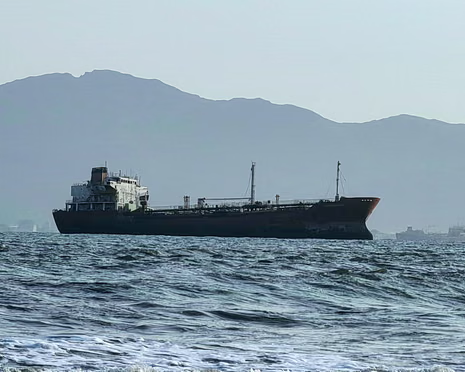
The main reason behind the fall in oil prices was the pause in military action between the US and Iran. For several days, investors had been worried that the conflict could threaten shipping routes, especially the Strait of Hormuz, which is one of the world’s most important oil passages.
When those fears eased, oil prices moved down fast. Traders responded to signs that both sides were stepping back, at least for now, from immediate escalation. That reduced the chance of a sudden supply shock and gave markets room to breathe.
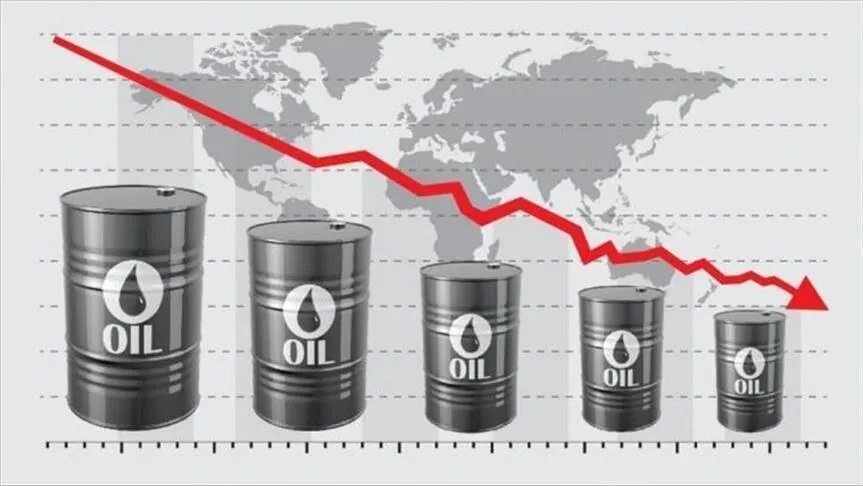
The price of Brent crude, the global benchmark, slipped to around $91.68 a barrel after touching $100 the week before. That kind of move shows how sensitive energy markets remain to political tension in the region.
What It Means For Markets
Lower oil prices can bring relief to investors because they reduce pressure on transport, manufacturing, and household energy costs. They can also help calm inflation concerns, since energy is a major part of overall price trends.
Stock markets often react positively when oil falls for the right reasons, especially if the decline comes from easing geopolitical risk rather than weak demand. In this case, the pause in strikes encouraged hopes that diplomacy may still have a chance.
Bond markets also benefited from the drop in oil, as investors saw less immediate danger of higher inflation. That helped support a wider recovery in market confidence.
AstraZeneca Delivers Strong Profit Growth
While energy markets focused on conflict and supply risk, AstraZeneca had a different story. The company reported better-than-expected quarterly profits, driven by strong demand for its cancer treatments.
Its earnings rose 18 percent for the three months ending in June, while revenue also increased. The results showed that demand for key medicines remains solid, even as many businesses continue to face a tough global economic backdrop.
Cancer treatment sales were the main driver of the company’s performance. That strength gave investors confidence in AstraZeneca’s growth outlook and highlighted the importance of its pharmaceutical portfolio.
Why This Matters For Investors
This news matters for two main reasons. First, it shows how quickly geopolitical events can move commodity prices and financial markets. Second, it reminds investors that company earnings can still outperform expectations even when the wider environment is uncertain.
For oil traders, the focus will now remain on whether the pause in strikes continues and whether diplomatic talks make progress. If tensions rise again, prices could rebound just as quickly as they fell.

For investors in healthcare stocks, AstraZeneca’s results are a positive sign. Strong product demand and better-than-expected profits can support share performance, especially in a market that values stable earnings.
Outlook Ahead
The next few days will be important for both energy and equity markets. If the calm between the US and Iran holds, oil prices may stay under pressure. If the situation worsens, traders may quickly rebuild risk premiums into crude prices.
AstraZeneca’s results, meanwhile, will keep attention on the strength of the pharmaceutical sector. For now, the company has delivered a solid update at a time when many investors are looking for businesses with reliable growth.
Markets rarely stay quiet for long, and this story is a clear example of how politics, energy, and corporate earnings can move together.