World Cup 2026 Final: Football, Politics And Drama Collide
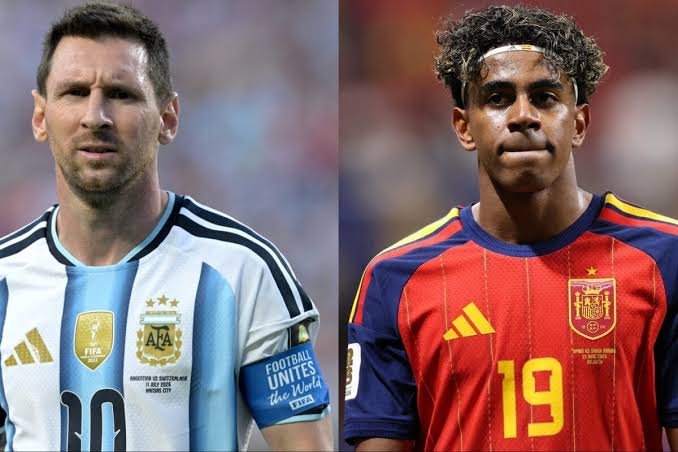
The World Cup 2026 final between Spain and Argentina in New Jersey is more than just a football match; it is a global event blending sport, politics and emotion. From Lionel Messi’s pursuit of another title to Spain’s new generation led by Lamine Yamal, every storyline carries high stakes. Add Donald Trump’s planned attendance, wildfire smoke around New York and debates about Fifa leadership, and the final becomes a complete snapshot of today’s football world.
1. Spain vs Argentina: A Classic World Cup Duel
Spain and Argentina meet in the final as two nations with deep football history and very different styles. Spain arrive with a balanced team built around control in midfield and intelligent pressing, while Argentina lean on Messi’s magic, defensive intensity and emotional energy. The tie also echoes past meetings, including their World Cup clash in 1966, when a new‑look Argentina defeated Spain in a memorable match.
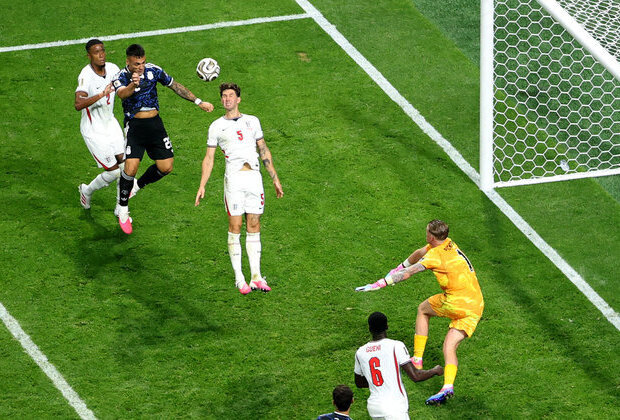
For neutral fans, this final offers a perfect mix: tactical quality, individual brilliance and historical rivalry all in one night.
2. Lionel Messi’s Legacy On The Line
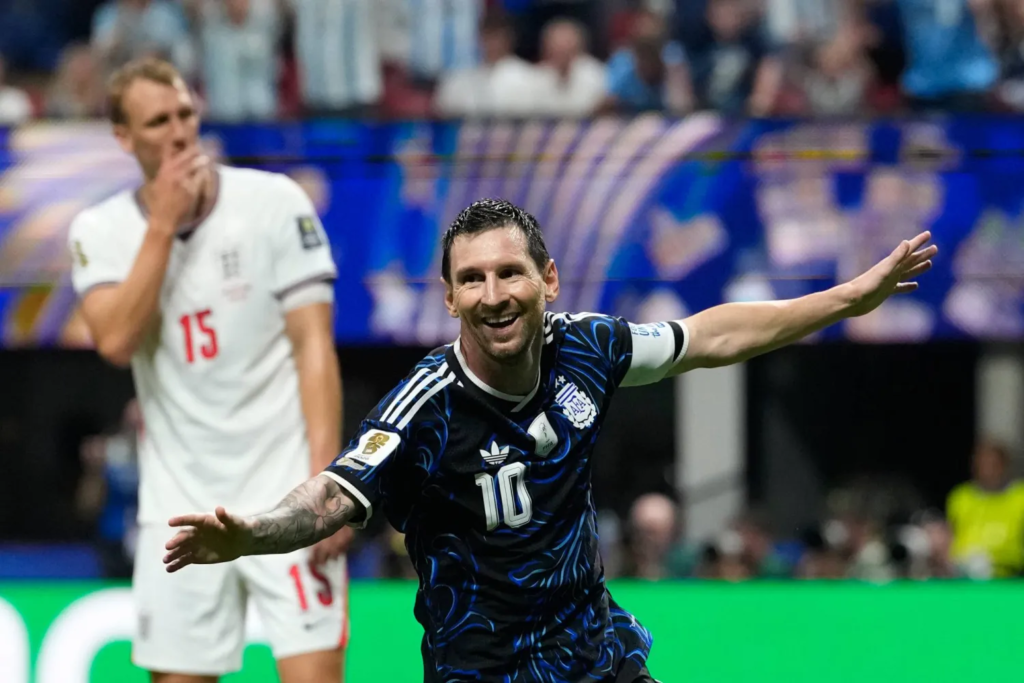
At 39, Lionel Messi enters another World Cup final carrying enormous expectations. He shares the Golden Boot race with Kylian Mbappé, leading thanks to one extra assist, and every action he takes in the final will feed the debate about his place in football history. For Argentina, Messi remains the emotional and creative centre, the player who can decide the match with one pass or one moment of inspiration.
His influence goes beyond goals; he shapes the rhythm, tempo and confidence of the entire team.
3. Lamine Yamal And Spain’s New Generation
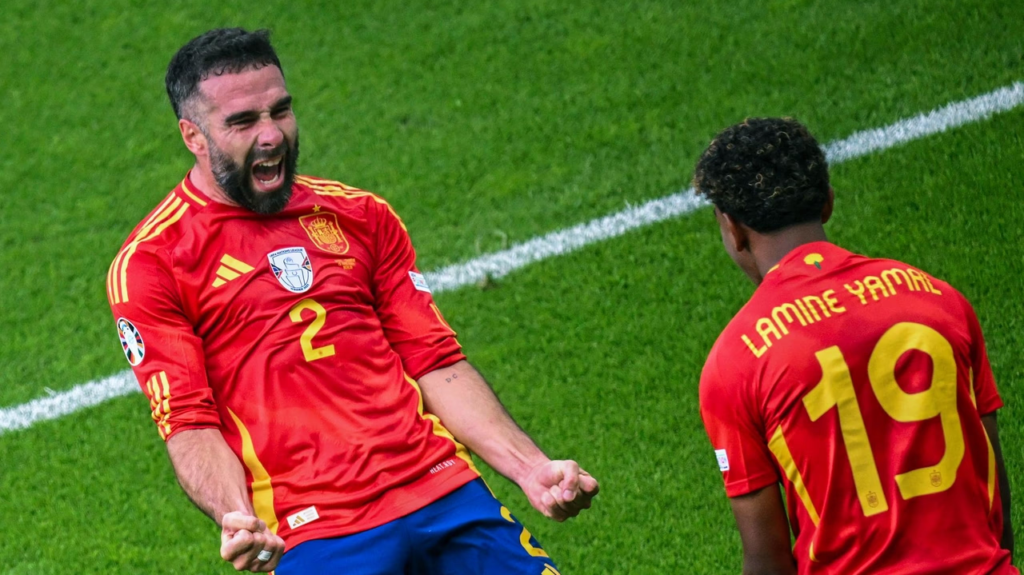
On the Spanish side, forward Lamine Yamal symbolizes a new era. He grew up in Rocafonda, a working‑class, multi‑ethnic neighbourhood near Barcelona, and still honours his roots with the “304” hand gesture, a reference to the local postal code. During this World Cup he has worn a headband marked “Rocafonda” and displayed the flags of his parents’ countries, underlining his belief that football can be a powerful example of racial and social integration.
His rise, from a small urban pitch to the biggest stage in world football, inspires fans in Spain and far beyond.
4. Rodri’s Comeback And Spain’s Midfield Power
Spain’s midfield is anchored by Rodri, who has delivered outstanding performances throughout the tournament. He returned from a serious ACL injury with doubts about his long‑term fitness, but in this World Cup he has seemed completely at ease, controlling matches and protecting the defence with remarkable consistency. His ratings and impact match the profile of a player fully back to his best, making him central to Spain’s hopes in the final.
There is even speculation that he may have played his last game for Manchester City, adding a transfer subplot to his World Cup story.
5. Trump, Pedro Sánchez And The Political Theatre Around The Final
The final will be watched not only by football fans but by world leaders. White House press secretary Karoline Leavitt has confirmed that Donald Trump will attend the match, describing it as a showcase of America’s ability to host the world “on the grandest stage.” At the same time, Spanish Prime Minister Pedro Sánchez, a vocal critic of Trump, will also be in the stadium before travelling on to Algeria.
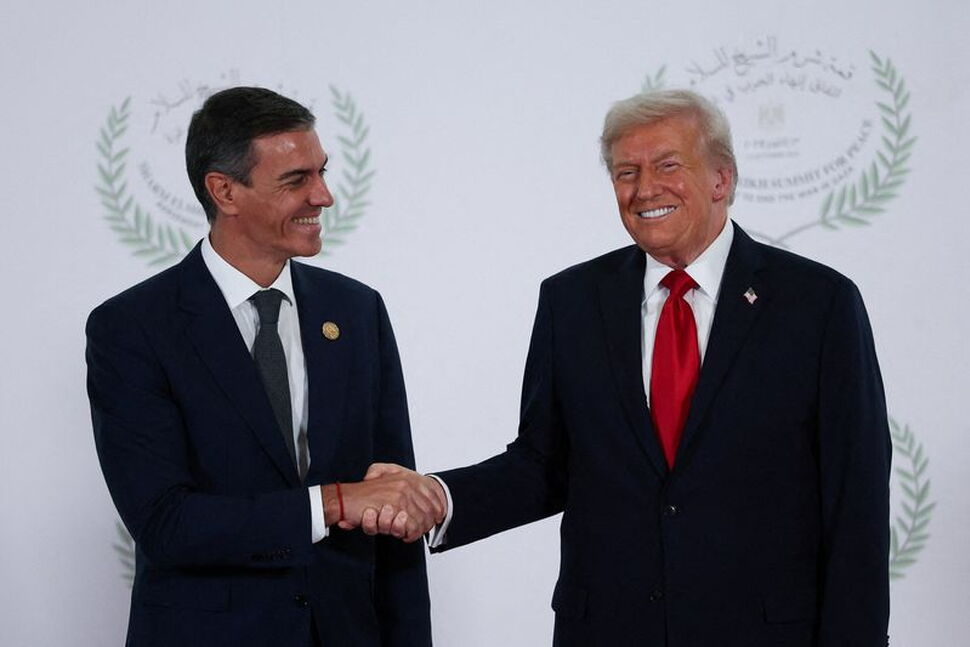
Their presence turns the final into a symbolic stage for political narratives, with football as the backdrop to wider diplomatic and personal tensions.
6. England’s Heartbreak, Third‑Place Debate And National Conversation
England’s exit to Argentina has triggered intense discussion at home. Coach Thomas Tuchel was praised for game‑changing substitutions earlier in the tournament, yet some observers argue that this also shows his starting line‑ups rarely clicked from the beginning. Writers and fans note that England were fortunate to reach the semi‑finals and may have avoided a heavy defeat to Spain in the final.
Attention now shifts to the third‑place match: should England treat it as a serious “Bronze Medal Match” or use it to give minutes to players like Ollie Watkins, Ivan Toney and Kobbie Mainoo? In Sweden, for example, the third‑place game is seen as a chance to win a medal, shaping a more positive attitude toward the fixture.
7. Falklands Banner, Fifa Politics And Infantino’s Endorsement
Political tension also surrounds Argentina’s celebrations. After the semi‑final win over England, some Argentine players displayed a banner supporting their country’s claim to the Falkland Islands, prompting UK Prime Minister Keir Starmer to call for a Fifa investigation. At the same time, Fifa president Gianni Infantino has received formal endorsement from more than 200 of the 211 member associations for another term, even amid unrest over the handling of Folarin Balogun’s reprieve from suspension.
These issues highlight how World Cup moments can quickly move from sport into geopolitics and governance debates.
8. Wildfire Smoke And Air Quality Concerns In New York
Away from tactics and politics, there is a practical concern: air quality. Wildfires in Canada have sent smoke over New York and surrounding areas, with reports of stinging eyes and poor conditions for residents. The final, set for New Jersey, will take place as authorities expect air quality to improve, yet the situation still raises questions about player comfort and the broader climate challenges facing major events.
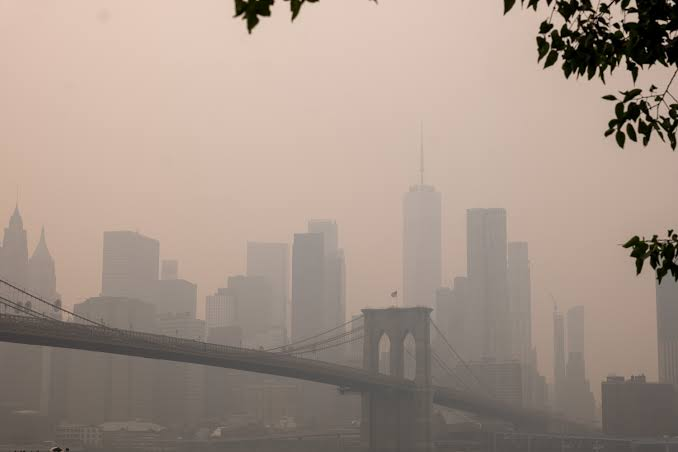
It is a reminder that global sport now operates in an environment where environmental factors can directly affect performance and fan experience.
9. Media Coverage, Fan Culture And Global Attention
Media coverage has followed every twist of this tournament. In the United States, Fox’s World Cup broadcasts have drawn scrutiny and analysis as the network enjoys its final tournament in the current cycle. Around the world, readers follow live blogs, match centres, player guides and golden boot trackers to stay close to every detail, from tactical breakdowns to human‑interest stories.
Fan emails, jokes and personal reflections shared in live coverage show how deeply the World Cup shapes daily routines, sleep patterns and emotions across continents.
10. Life After The Final: What Comes Next?
As the countdown continues, many fans already wonder what life will feel like once the World Cup ends. Some speak of their body clocks finally adapting to late‑night kick‑offs, only to face a sudden return to normal schedules once the tournament closes. Others plan to follow South American leagues, MLS or the return of European club football, where transfer stories, early‑season form and new managers like José Mourinho at Real Madrid will dominate headlines.
Whatever happens in New Jersey, the World Cup 2026 final will leave lasting images: Messi and Yamal facing each other, world leaders in the stands, and passionate supporters living every second of a historic night.