Introduction
The Strait of Hormuz is one of the most important energy routes in the world. When tensions rise in this narrow waterway, the impact can spread far beyond the Middle East because a major share of global oil and LNG trade depends on it.
A prolonged closure or serious disruption could push fuel prices higher, strain supply chains, and add fresh pressure to the global economy.
What Makes Hormuz So Important?
The Strait of Hormuz connects the Persian Gulf to the open ocean, making it a critical route for oil and gas shipments. Reuters and the Dallas Fed note that around one-fifth of global seaborne oil can move through this route, which is why any disruption quickly becomes a global concern.
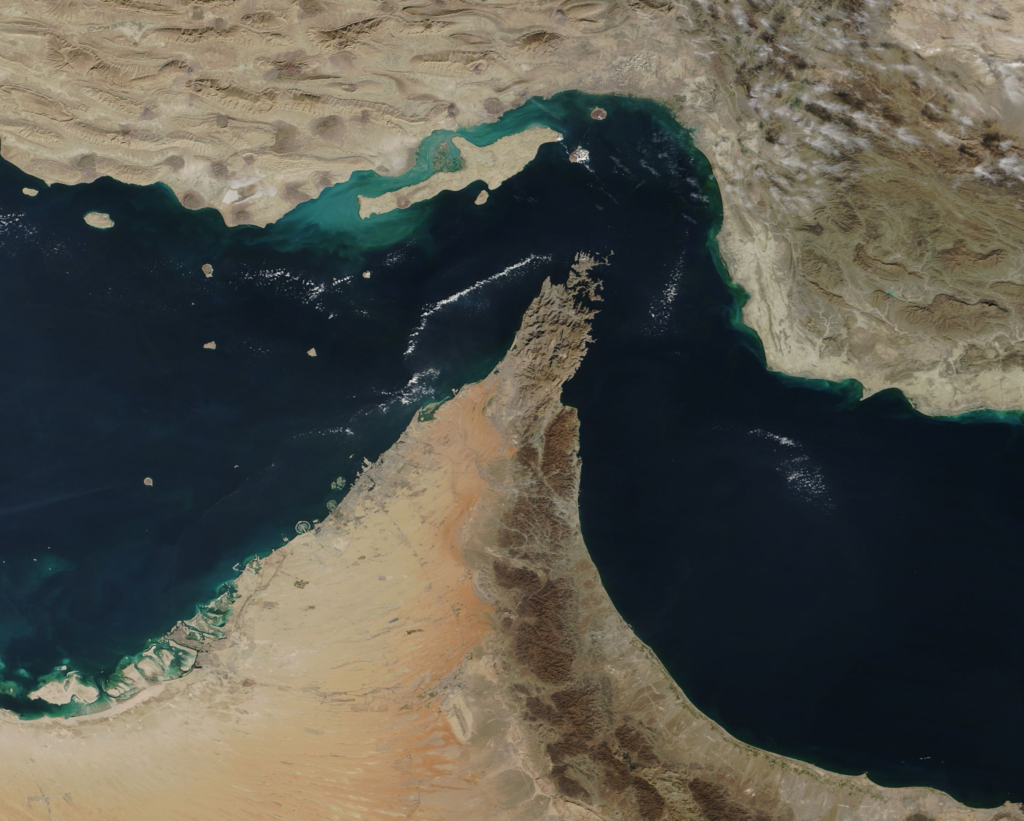
This is not only an energy issue. It is also a shipping issue, a market issue, and a geopolitical issue at the same time.
Why A Closure Matters
If access through the strait becomes limited, exporters may struggle to move crude oil and LNG to major buyers. CNBC reports that analysts see scenarios ranging from partial disruption to a full blockade, with the worst case leading to a sharp oil price spike and wider market shock.
The International Energy Agency also warned that the near closure of Hormuz has already been one of the largest supply disruptions in history, showing how sensitive the market is to this chokepoint.
Impact On Oil Prices
A major supply cut can push prices higher very quickly because oil markets react to fear as well as actual shortages. If traders expect less crude to reach global buyers, prices can rise even before physical supply problems fully appear.
That means consumers may see higher gasoline and diesel costs before the full effects of the disruption are visible in the market.
Why The Shock Spreads Fast
Energy markets do not wait for a full crisis before reacting. When shipping traffic slows or tankers avoid a narrow route, traders begin to price in risk immediately. That is why a Hormuz closure can affect futures markets, freight rates, refinery planning, and even currency movements.
The pressure also spreads through supply chains. Higher oil costs can increase the price of transport, plastics, chemicals, and goods that depend on fuel or shipping.
Who Feels The Pressure First?
Asia is likely to feel the sharpest impact because many Gulf exporters send large volumes eastward. Reuters and the Dallas Fed note that a very large share of Gulf oil exports move toward Asian markets, so those buyers are usually hit first when shipping is disrupted.
But the ripple effects do not stop there. Higher energy prices can raise transportation costs, production costs, and inflation in the United States and other major economies.
Businesses that depend on shipping, manufacturing, or imported fuel may also face higher operating costs.
What This Means For The U.S.
For U.S. readers, the main concern is not only foreign policy but also the domestic cost of energy. If global oil prices rise, American drivers, airlines, logistics companies, and retailers can all face higher expenses.
That can also influence inflation expectations, which makes the Strait of Hormuz a direct economic issue for U.S. households and businesses.

In simple terms, a problem thousands of miles away can still show up at the gas station, in airline tickets, and in the prices people pay for everyday goods.
Final Outlook
The Strait of Hormuz remains a strategic pressure point for global energy markets. Even the possibility of a closure can create uncertainty, and that uncertainty alone can move prices, markets, and policy decisions.
If tensions remain high, the world could continue facing a fragile oil market with an ongoing risk of supply disruption.