Why the Strait of Hormuz matter:
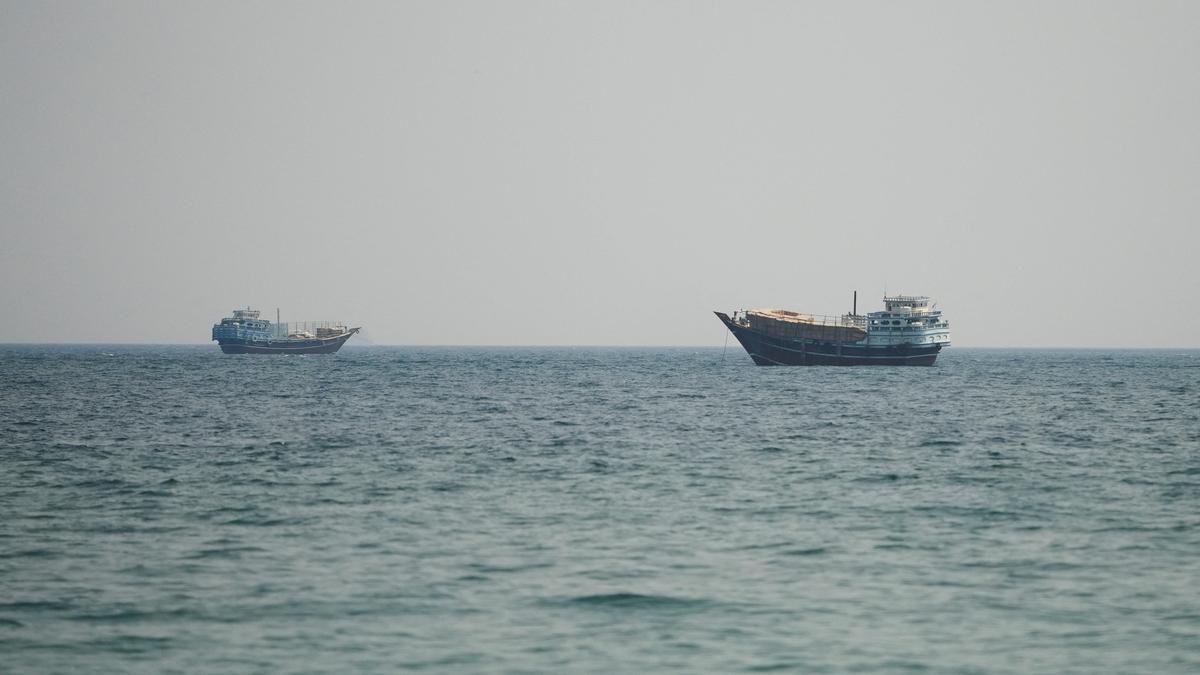
The tension between the United States and Iran has once again grown after a ship attack in the Strait of Hormuz led to new strikes and fresh concern across the Gulf region. The situation matters because this narrow waterway is one of the most important shipping routes in the world, and any conflict there can create far-reaching problems for trade, energy, and security.
What Happened
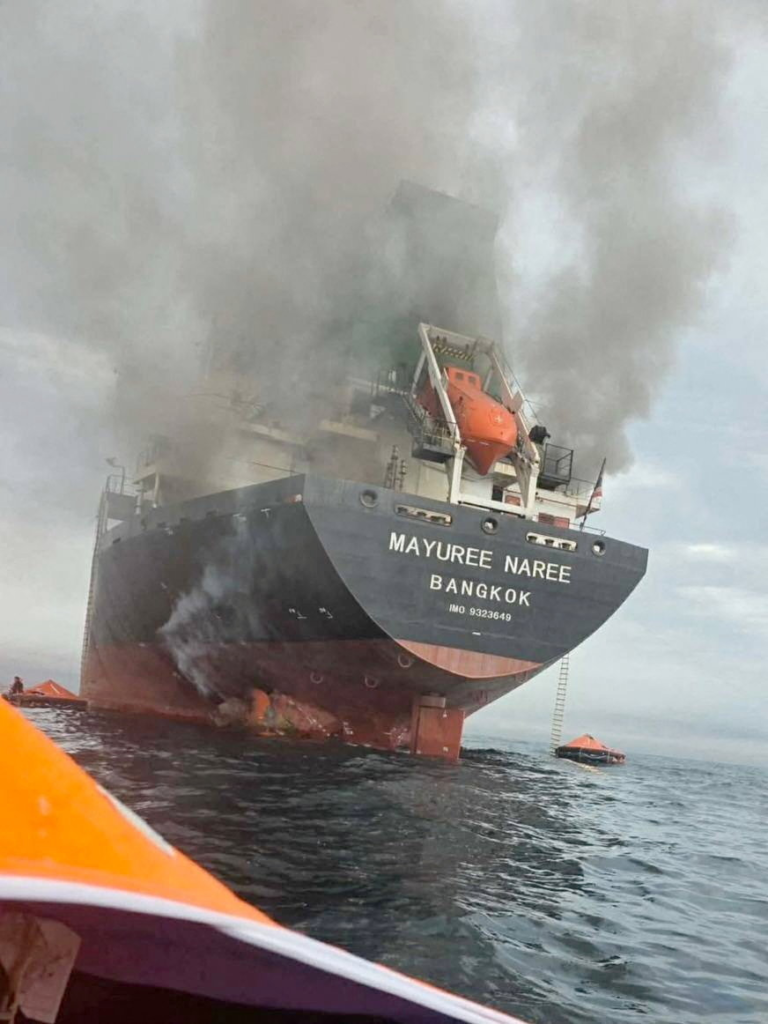
The crisis started after a commercial ship was attacked in the Strait of Hormuz. The vessel caught fire, and reports said there was serious damage to the engine room. A crew member was also reported missing after the incident.
In response, the United States launched strikes on Iran. The action was described as a reaction to attacks on commercial shipping and an effort to protect civilian vessels that move through international waters. This made the conflict more serious and pushed it beyond a single ship incident.
Why The Strait Of Hormuz Is Important
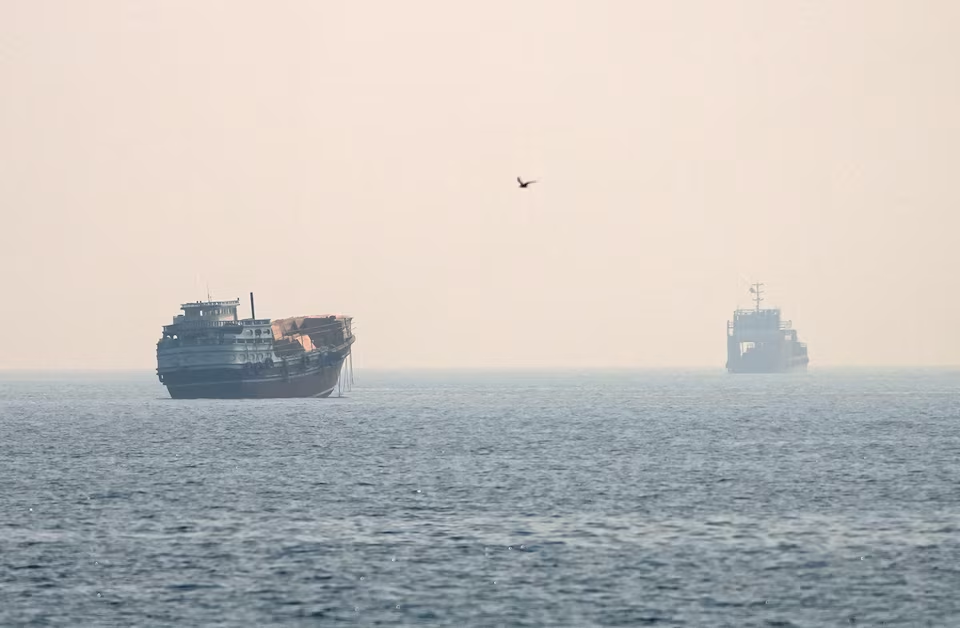
The Strait of Hormuz is one of the busiest and most sensitive sea routes in the world. Large amounts of oil and commercial cargo pass through it every day, which means even a small disruption can affect markets quickly.
If ships are attacked or threatened, shipping companies may slow down operations or avoid the route entirely. That can raise costs, delay deliveries, and create pressure on global energy supplies.
U.S. Action After The Attack
The United States said its strikes were meant to reduce the threat to commercial shipping and to send a clear message that attacks at sea would not go unanswered. U.S. military officials described the response as necessary because civilian crews and merchant vessels were placed at risk.
This response shows that Washington sees the Strait of Hormuz not only as a regional issue but also as a matter of global security. Keeping the route open is important for both trade and energy movement.
Iran’s Position
Iran said it would respond after the U.S. strikes, and the situation became more tense as both sides continued to exchange threats. Reports also said that Iran warned about closing the Strait of Hormuz, which added fear in shipping and energy markets.
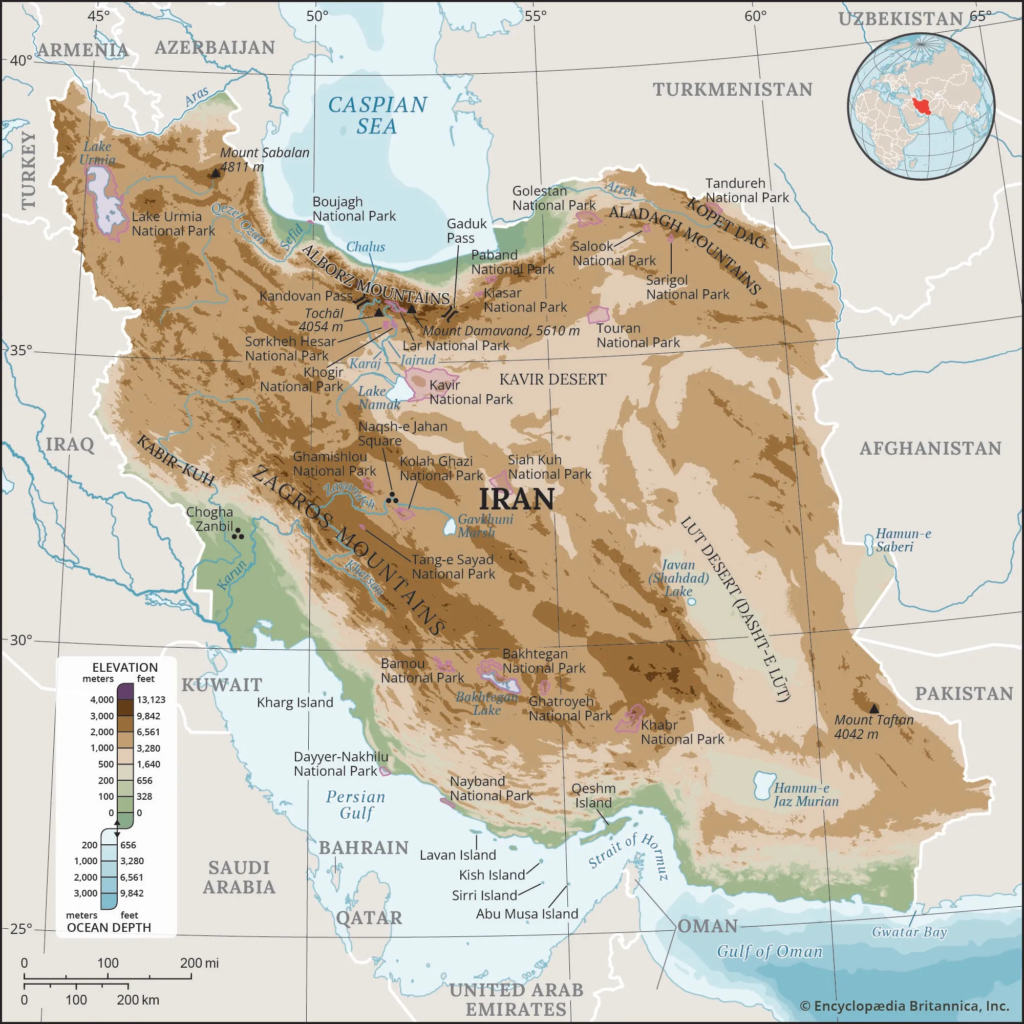
Iran defended its actions by saying the vessel was not following an approved route. But the broader effect of the attack was clear: the region moved closer to a wider crisis.
Gulf States Face Pressure
The countries near the Strait of Hormuz are now under greater pressure because they sit close to the center of the conflict. Any further escalation could affect ports, commercial routes, and national security in the Gulf.
Gulf states must now watch for possible missile threats, drone activity, and disruptions to sea traffic. Even if the fighting remains limited, the risk of spillover remains high.
Why Readers In The U.S. Should Care
This story is not only about the Middle East. It also matters to readers in the United States because shipping disruption in the Strait of Hormuz can affect fuel prices, global supply chains, and market confidence.
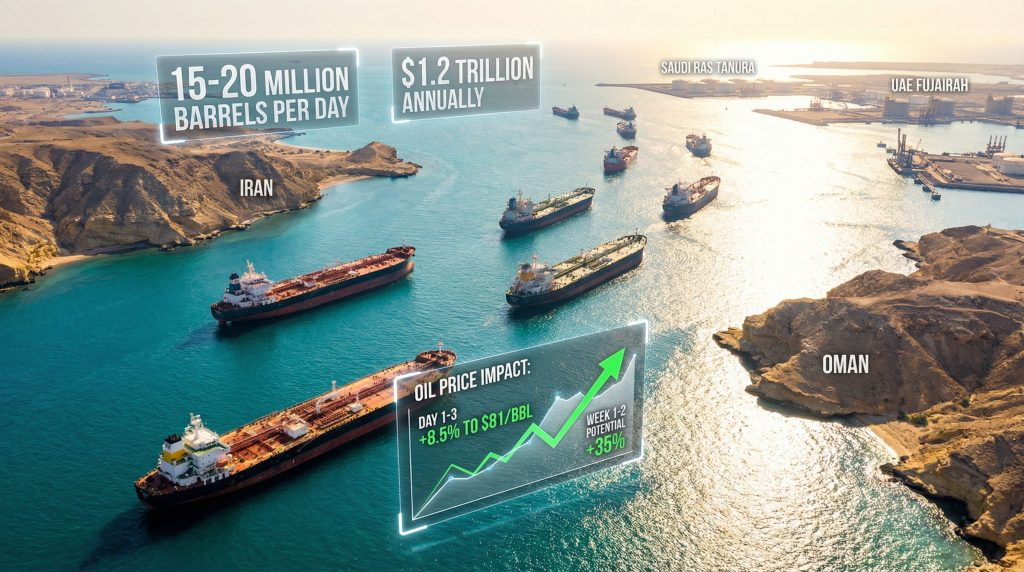
When one of the world’s most important trade routes becomes unsafe, the impact can reach American consumers and businesses. That is why this issue gets so much attention in U.S. news coverage.
What May Happen Next
The next stage of the crisis depends on whether both sides step back or continue with retaliation. If the tension grows, more shipping could be affected and the risk to Gulf states could rise further.
At the moment, the Strait of Hormuz remains a very sensitive zone, and any new attack could make the situation worse. Diplomacy will be important if the region is to avoid a larger conflict.