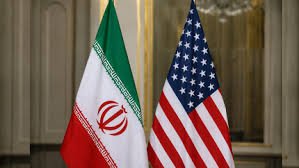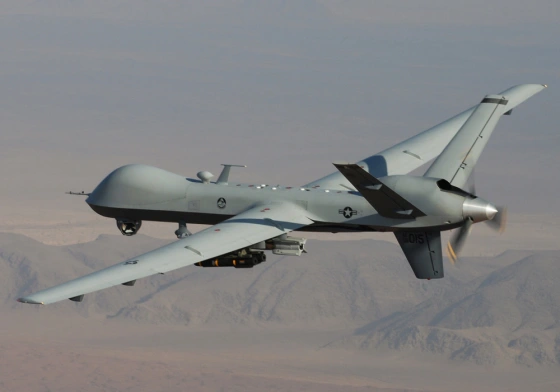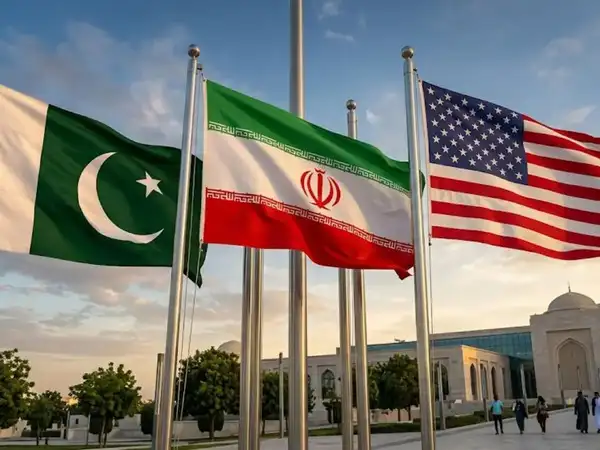
A major breakthrough in Middle East diplomacy is just hours away. The United States and Iran are expected to announce a historic peace agreement, and Pakistan is the country that made it possible. This is not just another round of talks. This could be the moment that ends months of tension, halts military operations, and opens the door to lasting peace between two powerful nations.
The draft agreement, exclusively obtained by Al Arabiya, includes terms that were once hard to imagine: an immediate ceasefire, mutual respect for sovereignty, freedom of navigation in the Strait of Hormuz, and a gradual lifting of sanctions . For people watching the news closely, this announcement feels both surprising and hopeful.
How Pakistan became the key player
Pakistan stepped into the spotlight as the mediator between Washington and Tehran at a time when no other country could bring the two rivals to the table. Prime Minister Shehbaz Sharif and Army Chief General Asim Munir played direct roles in hosting talks, shuttling messages, and building trust on both sides. This was not the first attempt. Pakistan previously helped broker a 14-day ceasefire in April 2026, which gave both countries breathing space to explore dialogue.
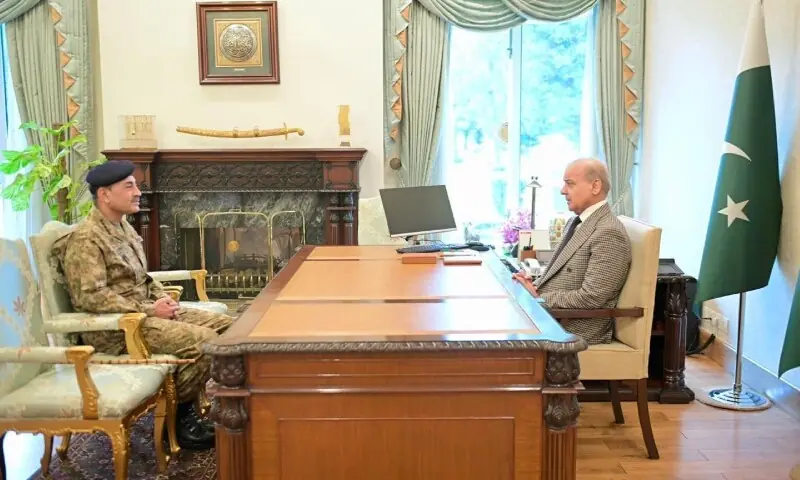
The Islamabad Talks in April did not produce a final deal, but they set the stage for what is happening now. Pakistan’s position as a country with strong ties to both the United States and Iran gave it unique leverage in this sensitive process. Islamabad has proven that quiet diplomacy, patience, and trust-building can achieve results even in the most difficult conflicts.
What the draft agreement includes
According to the exclusive details shared by Al Arabiya, the agreement contains several powerful commitments . Both countries will implement an immediate and unconditional ceasefire on all fronts, covering land, sea, and air operations . They will also stop targeting military, civilian, and economic infrastructure, which means cities, ports, oil facilities, and trade routes will be protected .
Another critical part of the deal is the end to media warfare, which has been used by both sides to shape public opinion and justify military actions . The agreement also guarantees freedom of navigation in the Arabian Gulf, the Strait of Hormuz, and the Gulf of Oman, which are vital shipping lanes for global oil and trade. A joint monitoring mechanism will be established to track compliance and resolve disputes quickly .
Within seven days of the announcement, both nations will begin negotiations on outstanding issues, including nuclear enrichment and long-term sanctions relief. The United States has agreed to gradually lift sanctions in exchange for Iran’s commitment to the terms, and both sides will respect each other’s sovereignty and territorial integrity .
Why this matters now
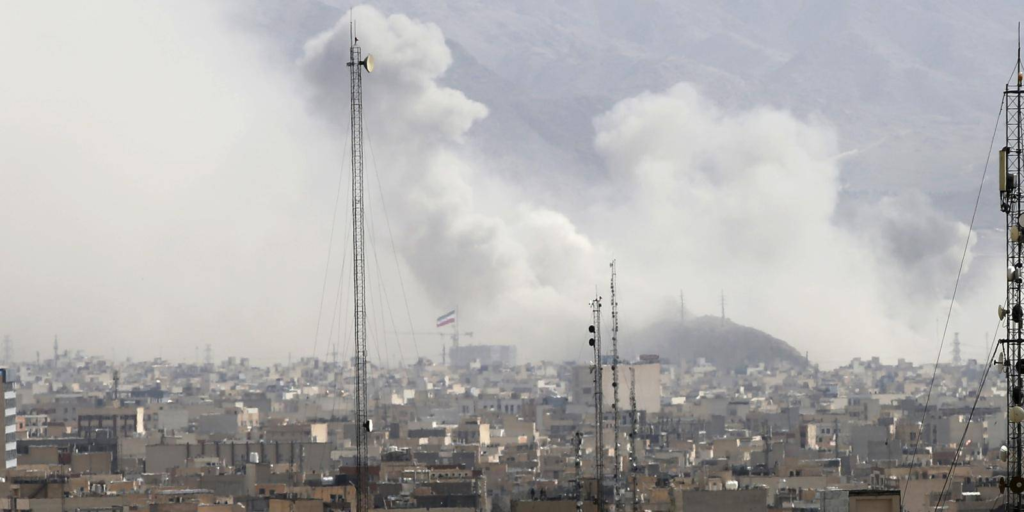
The timing of this deal is crucial. The conflict between the US and Iran escalated sharply in late February 2026, with military strikes, naval blockades, and threats to critical infrastructure. The Strait of Hormuz, one of the world’s most important oil chokepoints, became a flashpoint when Iran effectively closed it to most shipping. This disrupted global energy markets and raised fears of a wider regional war.
US Secretary of State Marco Rubio recently said there were “good signs” in the talks, but he stressed that no solution would work if Iran maintained control over the strait . A senior Iranian source told Reuters that gaps between the two sides had narrowed, though uranium enrichment and shipping access remained sticking points. The fact that both countries are now close to an agreement shows how far diplomacy has come in just a few weeks.
The role of international pressure
This agreement did not happen in a vacuum. Countries across the Middle East, Europe, and Asia have been pushing for de-escalation. Regional powers worried that a full-scale war could destabilize the entire Gulf, threaten energy supplies, and drag other nations into the conflict. Pakistan’s role as a neutral and trusted mediator helped calm those fears and created a pathway for dialogue.
The draft deal also reflects broader shifts in how the world handles conflict. Instead of relying on military pressure alone, this agreement shows that patient negotiation, credible guarantees, and mutual commitments can work even in the most tense situations. If this deal is announced and implemented, it could serve as a model for resolving other conflicts in the region.
What happens next
Once the agreement is officially announced by both the United States and Iran, it will take effect immediately . The ceasefire will be enforced across all fronts, and both countries will begin implementing their commitments under international observation . The joint monitoring mechanism will play a key role in ensuring that neither side violates the terms .
Within a week, negotiations will begin on the harder issues: how much uranium enrichment Iran can continue, how quickly the United States will lift sanctions, and what long-term security guarantees both sides will receive. These talks will be difficult, but the framework is now in place. If both countries honor their commitments, this could mark the beginning of a new chapter in US-Iran relations.
A historic moment for Pakistan
For Pakistan, this is more than a diplomatic success. It is a sign that the country is capable of playing a major role in global peace efforts. Pakistan has often been seen as a country caught between competing powers, but this mediation shows its ability to act independently, responsibly, and effectively. Prime Minister Shehbaz Sharif and the military leadership deserve credit for taking risks, investing time, and building credibility with both Washington and Tehran.
This achievement also strengthens Pakistan’s position in South Asia and the wider Muslim world. Countries that once doubted Pakistan’s influence now see it as a serious player in regional diplomacy. If this deal holds, Pakistan’s role will be remembered as a turning point in Middle East peace efforts.
The coming hours will reveal whether this draft becomes a final agreement. The world is watching closely, and the stakes could not be higher.