Iran’s New Peace Proposal Puts Heavy Conditions on the Table
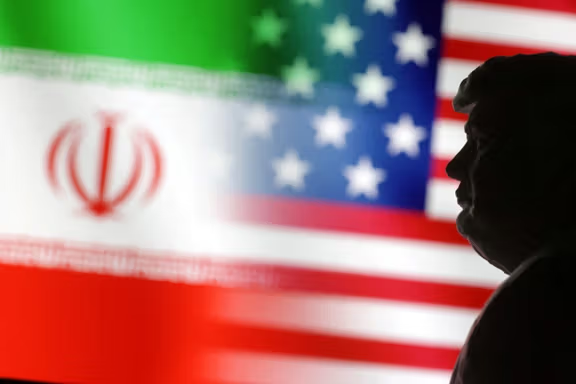
Tension between Iran and the United States has entered a critical stage as Tehran puts forward a new peace proposal aimed at ending the US‑Israeli war on Iran and easing wider regional conflict. The offer includes some of Iran’s toughest demands so far, such as US troop withdrawal from areas close to Iran, reparations for war damage and major relief from sanctions. If a deal is reached, it could reshape the security landscape from the Strait of Hormuz to Lebanon and impact global energy markets.
Key Demands: Sanctions Relief, Funds Release and Blockade End
According to Iranian state media, Deputy Foreign Minister Kazem Gharibabadi has confirmed that Tehran wants full lifting of economic sanctions and the release of frozen Iranian funds held in foreign banks. Iran also wants an end to what it describes as a US marine blockade, which it says has hurt trade and increased pressure on its already strained economy. These points show that economic recovery and financial access are at the center of Iran’s negotiating strategy.
Ending Hostilities on All Fronts, Including Lebanon
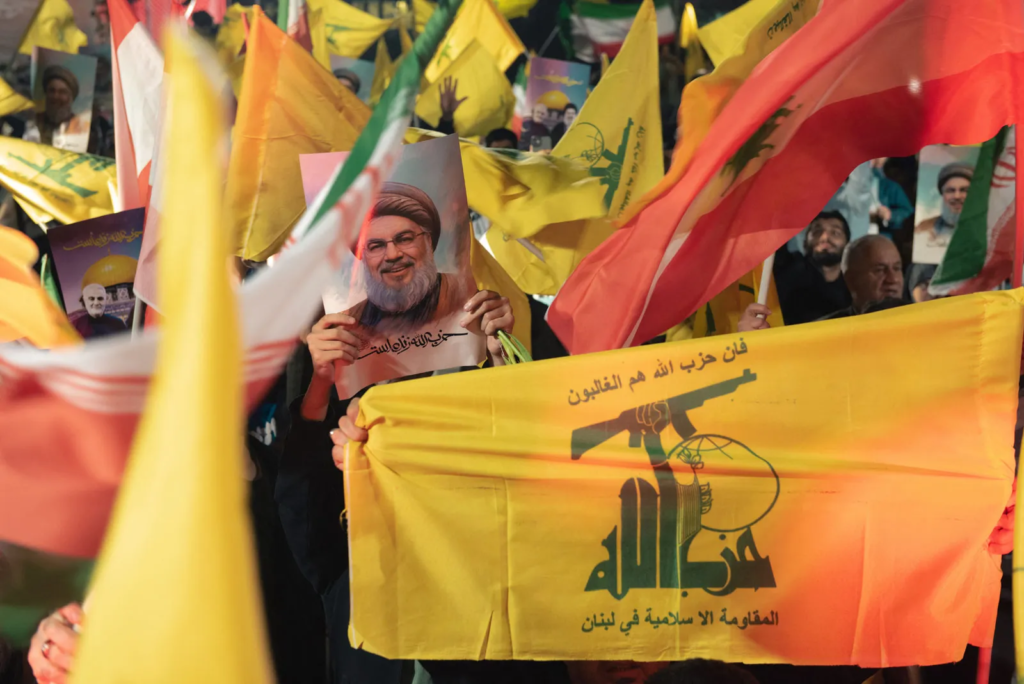
The proposal calls for an end to fighting “on all fronts,” which includes not only direct US‑Iran hostilities but also the war in Lebanon where Israel is targeting Hezbollah. Iran argues that any real peace must cover Lebanon, Israel and the Gulf region to prevent another rapid spiral into conflict. This condition links Iran’s own security to the situation of its regional allies and highlights how deeply connected these fronts have become.
Trump Pauses Planned Strikes After Receiving Proposal
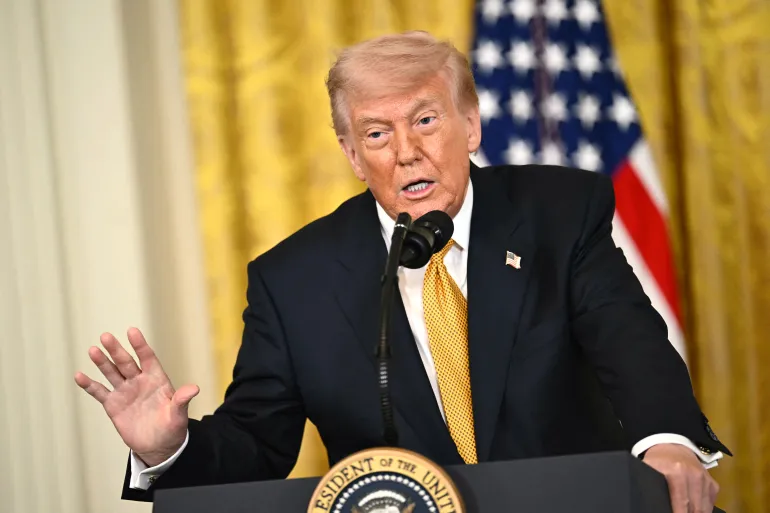
US President Donald Trump has said he put a planned resumption of military strikes on hold after receiving the new proposal from Tehran. In his public comments, he mentioned a “very good chance” of reaching a deal that would limit Iran’s nuclear program and avoid a wider war. Trump also said leaders of Qatar, Saudi Arabia and the United Arab Emirates urged him to delay the attack because they believe a diplomatic deal is still possible.
Pressure to Reopen the Strait of Hormuz
One of the biggest drivers behind the push for an agreement is the pressure to reopen and secure the Strait of Hormuz, a vital route for global oil and commodity supplies. Any disruption there quickly affects world energy prices and puts extra stress on economies that depend on stable oil flows. Regional states and international partners therefore have a strong interest in seeing negotiations succeed.
Mixed Signals From Washington and Tehran
Despite talk of progress, both sides are still sending mixed signals about what they are willing to accept. A senior Iranian source has indicated that the US may agree to release about a quarter of Iran’s frozen funds and tolerate some peaceful nuclear activity under International Atomic Energy Agency supervision. However, US officials have not confirmed any such concessions and have publicly denied reports that oil sanctions will be waived during talks.
Human Cost of the US‑Israeli War on Iran and Lebanon
The military campaign has already caused significant loss of life and destruction in both Iran and Lebanon. US‑Israeli bombing raids killed thousands of people in Iran before a ceasefire took effect in early April, while Israel’s invasion of Lebanon has killed thousands more and displaced hundreds of thousands as it targets Hezbollah. Iranian strikes on Israel and neighboring Gulf states have also caused dozens of deaths, showing how widely the conflict has spread across the region.
Ceasefire Under Strain as Drones Target Gulf States
Although a ceasefire with Iran is largely holding, tensions remain high due to ongoing drone launches from Iraq toward Gulf countries such as Saudi Arabia and Kuwait. These attacks are believed to be carried out by Iran and allied militias, keeping pressure on regional governments and raising fears of a renewed escalation. Each new incident makes the diplomatic process more fragile and increases the risk that talks could collapse.
War Aims Not Fully Achieved Against Iran
At the start of the war, Trump and Israeli Prime Minister Benjamin Netanyahu said their goal was to curb Iran’s support for militias, dismantle its nuclear program and destroy its missile capabilities. They also hoped to create conditions for Iranians to challenge and possibly topple their rulers. Yet Iran still holds a stockpile of near‑weapons‑grade enriched uranium and maintains missiles, drones and proxy forces capable of threatening regional rivals.
Iran’s Leadership Remains in Place Despite Pressure
Iran’s clerical leadership has managed to remain in power despite facing a mass uprising at the beginning of the year and enduring heavy military pressure. So far there is no sign of a unified, organized opposition able to replace the current system. This reality limits what external pressure alone can achieve and adds to the urgency of finding a negotiated solution.
Pakistan’s Role as a Key Mediator
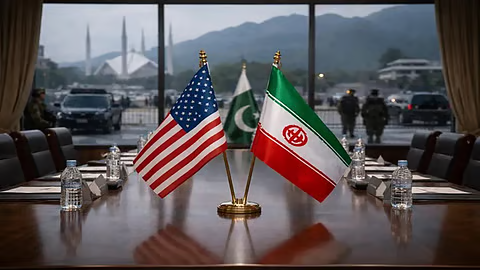
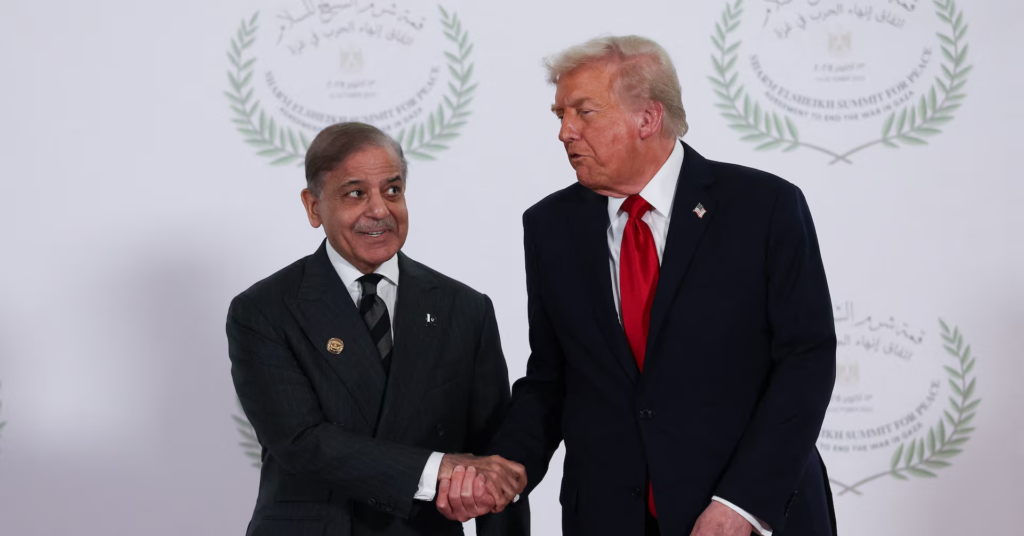
Pakistan has emerged as an important mediator, carrying messages between Washington and Tehran and hosting the only direct round of peace talks to date. A Pakistani source has confirmed that Islamabad handed over the revised Iranian proposal to the US but warned that both sides “keep changing their goalposts.” The same source emphasized that there is not much time left, raising concern that if the current window closes, the region could slide back toward full‑scale war.
What Happens Next?
The future of the peace proposal will depend on whether both Iran and the US are ready to compromise on their maximum demands. For Iran, this could mean accepting stricter monitoring and limits on parts of its nuclear program in return for phased sanctions relief and access to frozen funds. For the US, it may require recognizing that Iran will remain a regional power and that long‑term stability might come from managed competition rather than total rollback.