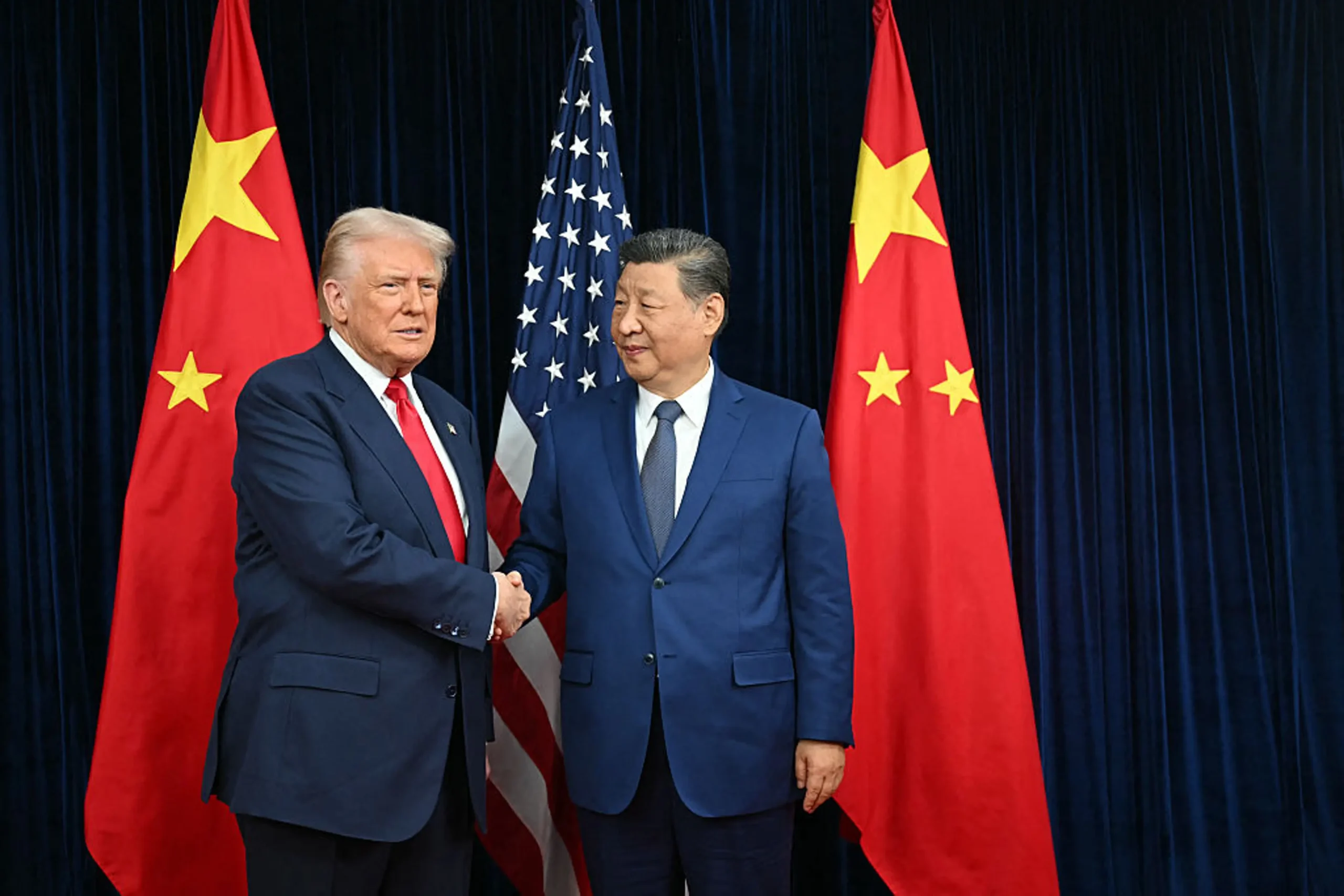
Donald Trump departed for China on May 13, 2026, and delivered a direct message to Xi Jinping: the United States requires no assistance in any conflict with Iran. Trump stated to reporters at the airport, “No need for Xi’s help.” This declaration draws intense focus as Middle East hostilities escalate and US-China relations face fresh strain.
The visit unfolds at a critical moment. Iran intensifies proxy strikes against US positions. Oil prices climb 5 percent in response. Although Trump’s Beijing trip centers on trade negotiations, his position on Iran emerges as the dominant theme.
Details of Trump’s China Visit
Trump arrived in Beijing under heavy security. Reports from Reuters describe red carpets laid out alongside underlying tension. The schedule includes two days of discussions with Xi on tariffs, semiconductors, and electric vehicles. Iran, however, overshadows these talks.
Trump’s response carries weight. China proposed mediation with Iran last month. Xi placed a personal call to Trump. The outcome stands as a clear refusal. Trump relies on American aircraft carriers in the Gulf and intelligence from Israel rather than commitments from Beijing.
Trump recognizes China’s deeper interests. The country purchases 90 percent of Iran’s oil exports while evading international sanctions. Any aid from Xi would create unwanted obligations, which Trump refuses to accept.
Background on Trump’s Iran Policy
This position builds on years of confrontation. In 2018, Trump exited the Iran nuclear agreement, labeling it the worst deal ever made. He authorized the 2020 drone strike that eliminated General Qasem Soleimani, severely weakening Tehran’s capabilities. Iran launched retaliatory missiles; Trump responded with further action.
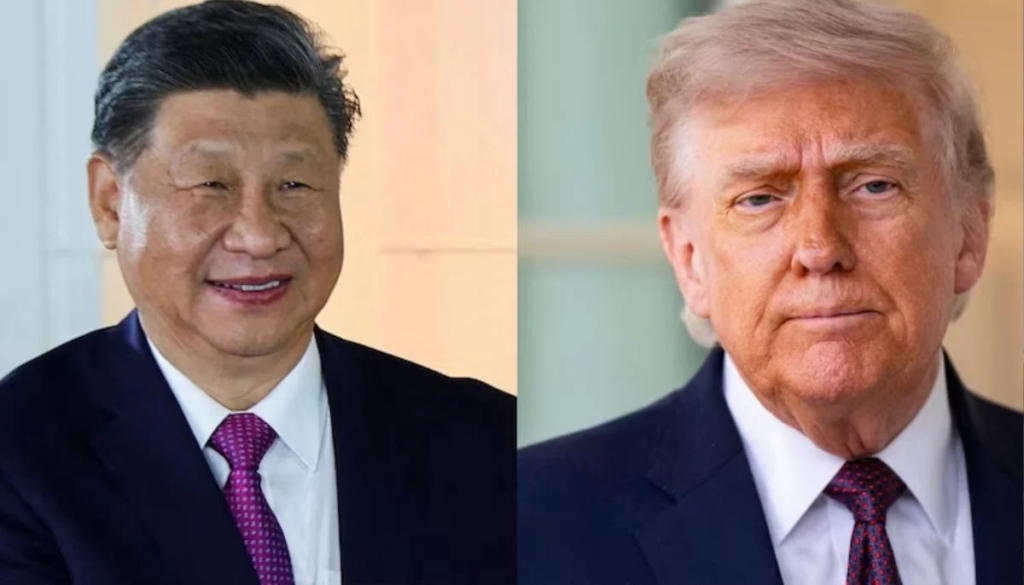
By 2026, the situation worsens. Iranian drones target Saudi oil facilities. Houthi forces disrupt shipping in the Red Sea. Trump issues warnings of overwhelming military response if red lines prove crossed. With war risks mounting, he excludes China entirely.
Experts affirm the logic. Former ambassador John Bolton notes that Trump’s approach safeguards American autonomy. Opponents, including Senator Chuck Schumer, describe it as unnecessary isolation.
China’s Perspective and Reactions
Xi Jinping maintains public silence. Chinese state media highlights prospects for strategic dialogue. Internal sources reveal underlying disappointment. China pursues extensive projects in Iran through its Belt and Road Initiative, including ports, railways, and energy infrastructure.
Trump’s refusal disrupts those plans. Beijing hosted summits between Iran and Russia last year. Exclusion from Iran matters pushes China to the sidelines.

Trade implications loom large. American tariffs pressure Chinese manufacturers. Trump signals potential relief only if Xi remains uninvolved in Iran. The decision now rests with Beijing.
Worldwide Consequences
Financial markets shift immediately. Brent crude oil reaches $95 per barrel. Boeing stock declines amid concerns over China routes. Apple faces supply chain uncertainties.
Allies adjust positions. Israel provides full backing to Trump. Saudi Arabia adopts a cautious stance while bolstering defenses. European nations favor diplomatic channels; France advocates United Nations discussions.
The developments hold direct relevance for Pakistan and South Asia. Iran represents a source of affordable natural gas through proposed pipelines. Chinese funding supports Gwadar port, linked to Tehran. Further escalation could raise fuel prices by 20 percent, affecting households and businesses.
India monitors the situation while balancing ties with the US and purchases of Russian oil. Trump previously commended Prime Minister Modi’s handling of border disputes, paving the way for aligned statements.
Expected Developments Ahead
Trump’s visit concludes on Friday. A joint statement will likely outline trade achievements. Iran remains a persistent undercurrent. Xi may respond through military exercises near Taiwan or discreet offers of cyber intelligence.
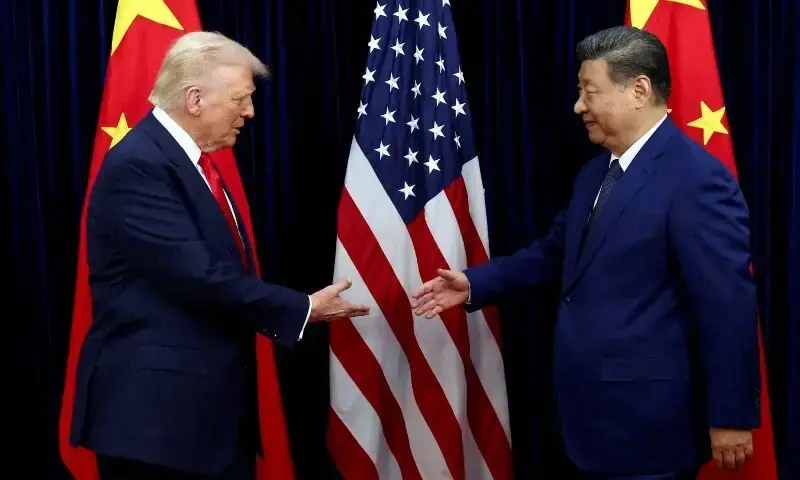
Trump favors decisive actions. Recent polls indicate 62 percent approval for his foreign policy among supporters. Detractors highlight strains on US military resources and rising budget shortfalls.
Past successes offer precedent. Trump brokered the Abraham Accords earlier. A Saudi-Iran truce without Chinese involvement remains feasible.
Risks persist. Proxy conflicts could expand, with Hezbollah targeting Israel and US drones operating over Yemen. A single incident carries potential to ignite broader war.
Key Takeaways
Trump’s China visit redraws lines of influence. Rejecting Xi’s support in Iran underscores American strength while testing boundaries. Oil prices, stock markets, and diplomatic channels warrant close attention.
Investors benefit from diversification; gold prices rose 3 percent today. Businesses prepare by securing semiconductors ahead of possible tariff changes.
Trump returns home from the trip having reinforced his priorities. The full outcomes will shape international relations in the months ahead.