Why Iran Is Refusing A Ceasefire Right Now
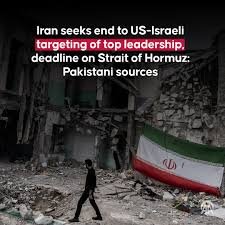
Iran is under intense military and political pressure, yet its leaders are not ready to accept the latest ceasefire proposal put forward by the United States and Israel. From outside, this can look strange: missiles are flying, sanctions are biting and the risk of wider war is real, but Tehran still says no. To understand this decision, it is necessary to look at Iran’s experience with past agreements, the details of the current proposal and the wider balance of power in the region.
Officials and analysts note that, for Iran, a ceasefire is not just a pause in fighting. It is a political and strategic choice that can lock in losses, signal weakness or leave the country more exposed if the other side uses the pause to regroup. Because of this, Iranian leaders are treating the present ceasefire offer with deep suspicion instead of relief.
Broken Promises: Iran’s Trust Deficit With The US And Israel
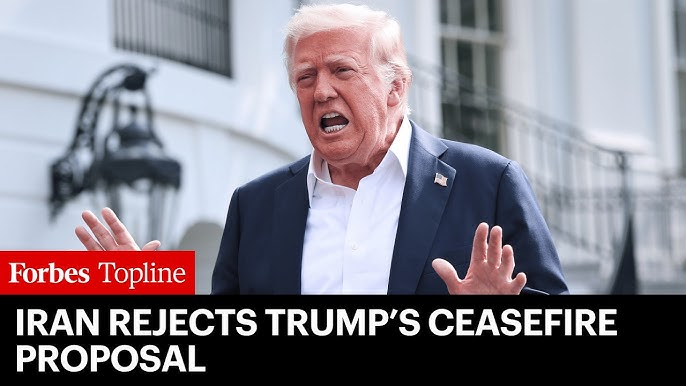
One of the strongest reasons behind Iran’s stance is a long history of broken promises. Iranian officials regularly point to the nuclear deal, which was negotiated over years and then abandoned by Washington even though international agencies reported that Iran was broadly meeting its commitments.
On top of that, covert operations, assassinations and repeated strikes on Iranian-linked targets have created the sense that agreements are temporary, but pressure is permanent. With this background, when new ceasefire ideas arrive from the same capitals, many in Tehran see risk rather than safety.
Maximalist Demands: Why The Ceasefire Proposal Looks One-Sided
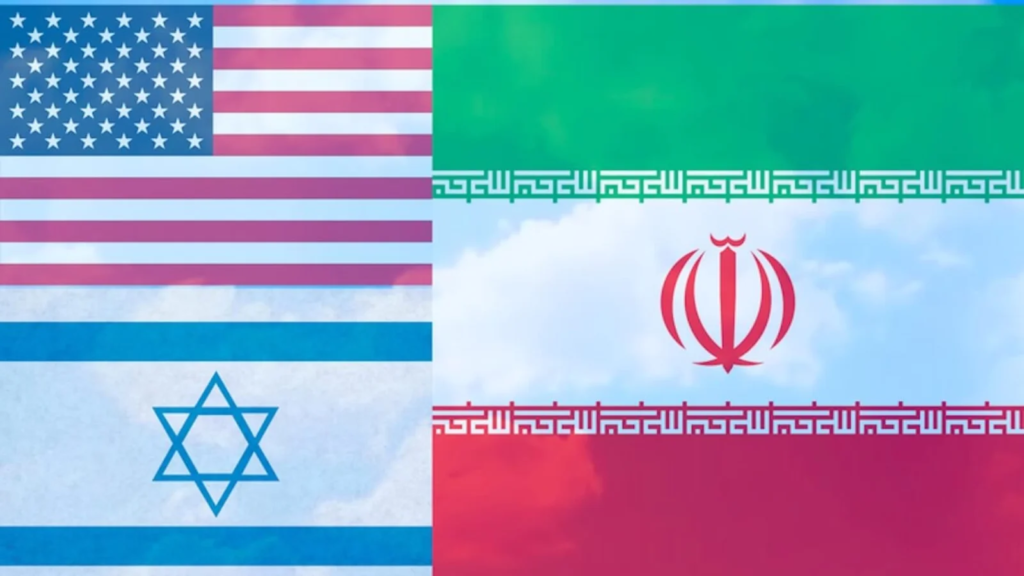
Reports suggest that the latest US-backed proposal includes up to 15 points, ranging from a 30‑day ceasefire to significant limits on Iran’s nuclear programme. The plan asks Iran to curb enrichment, reduce stockpiles and accept strict monitoring, while also changing behaviour in the region.
From Iran’s perspective, this list looks “maximalist” – heavy on demands, light on real benefits. The offer does not seem to include comparable concessions from the other side or strong, enforceable guarantees. In such a setting, signing a ceasefire might feel less like a step toward peace and more like agreeing to long-term restrictions under continued threat.
Military Reality: How A Short Truce Could Weaken Iran
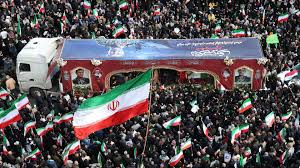
A key concern inside Iran is the military impact of a short, time-limited ceasefire. A pause of a few weeks would give the US and Israel an opportunity to repair damaged systems, reposition forces and bring in additional weapons and support to the region.
Iran, meanwhile, faces sanctions and resource limits that make rapid rebuilding much harder. If fighting resumes after such a pause, Tehran could find itself in a worse position than before the ceasefire. This fear makes Iranian decision-makers cautious about any agreement that does not clearly improve their security situation.
No Real Guarantees: Iran Wants Protection, Not Just Words
Another major problem is the lack of strong guarantees. Iranian officials argue that promises from Washington or Tel Aviv are not enough on their own, especially after previous deals collapsed. They want firm mechanisms that would protect Iran if the other side breaks the ceasefire or continues hostile actions in different forms.
Without such guarantees – for example, clear consequences if attacks resume or international commitments that are hard to reverse – Tehran sees any ceasefire as fragile. In that case, accepting a weak agreement could turn into a trap rather than a safeguard.
Domestic Pressure And Regional Allies Shaping Iran’s Stance
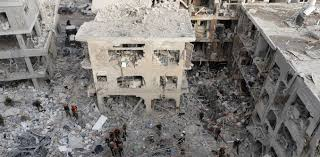
The decision is not only about foreign policy documents and diplomatic language. Inside Iran, powerful institutions and political factions are wary of giving too much ground to long-time rivals. Security officials argue that negotiating from a position of weakness would invite more pressure later.
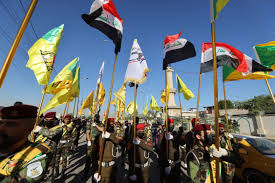
Regional allies are also watching Iran’s behaviour closely. If Tehran signs a ceasefire that looks unfair or humiliating, it could damage its image as a key supporter of resistance movements and alter the balance of influence across the Middle East. This wider network of expectations makes it harder for Iran to accept a deal that is not clearly balanced.
What Would Make Iran Consider A Different Ceasefire Deal?
Iran’s rejection of the current proposal does not mean the country is against peace in principle. Statements from officials indicate that Tehran could consider a ceasefire that respects its basic security concerns, recognises its rights under international law and includes credible, long‑term guarantees.
That would likely require a more even package: fewer one-sided demands, clearer protections against future attacks and a monitoring system that applies pressure on all sides, not only on Iran. Until a proposal like that is on the table, Iran is likely to remain sceptical of ceasefire plans coming from the US and Israel, even as the cost of war stays painfully high.