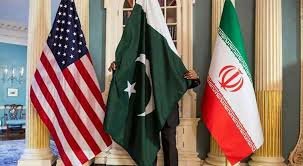
Explosive 3‑Day US‑Iran Peace Talks in Islamabad: Pakistan’s High‑Stakes Diplomatic Gamble to Stop War
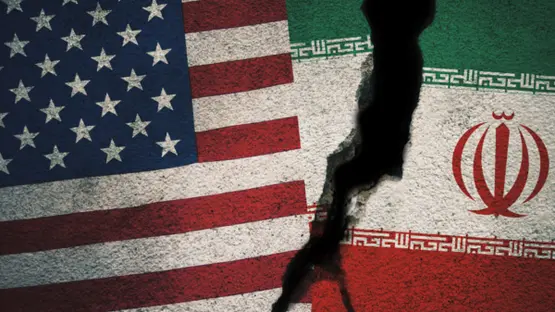
Pakistan may soon become the unexpected center of a global peace mission as reports suggest that US and Iranian officials could hold high‑level peace talks in Islamabad to stop a rapidly escalating war. The move marks a dramatic shift in regional diplomacy, turning Islamabad into a possible neutral venue for one of the most dangerous standoffs in recent history. With tensions between Washington and Tehran reaching breaking point, the world is watching Islamabad to see if a diplomatic breakthrough can still prevent a full‑scale conflict. If the talks succeed, even partially, Pakistan could gain major diplomatic credit. If they fail, Islamabad may face blame and regional backlash.
Why Are US‑Iran Peace Talks Suddenly in the Spotlight?
For a long time, US‑Iran tensions were treated as a “frozen crisis” – loud words, occasional incidents, and small clashes, but no full‑scale war. Now the situation has moved from background noise to breaking news. A series of strikes, counter‑strikes, and troop movements has put the world on edge. Media and governments are asking the same question: can diplomacy still stop this slide into war? Islamabad’s offer to host talks has pushed this issue into the global spotlight.
From Tense Rhetoric to War‑Zone Reality in the Middle East
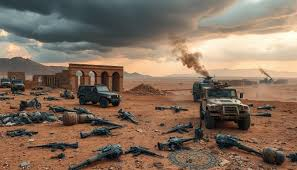
Rhetoric has turned into real actions. What once sounded like distant threats is now visible on satellite images and in news reports. Iranian‑linked groups in several countries have launched attacks, and US‑backed forces have hit back. The danger now is not just that one side will start a war, but that a small incident will spiral out of control. One misfire, one misunderstood order, or one miscalculated response could ignite a chain reaction. The Middle East is already crowded with many actors; adding a full‑scale US‑Iran war would make it almost impossible to control.
How Backchannel Diplomacy Is Trying to Freeze the Crisis
Behind closed doors, diplomats are working hard to prevent disaster. Instead of formal summits, they rely on secret phone calls, backchannel messages, and quiet meetings. Countries like Egypt and Turkiye are moving between Washington and Tehran, passing messages and trying to find common ground. These efforts rarely make headlines, but they are often the only thing holding the situation together. Pakistan’s offer to host US‑Iran talks fits into this pattern: it is a new, visible channel, but with more risk.
Pakistan Steps Forward: “Ready and Honoured” to Host US‑Iran Talks
Pakistan’s move is more than just a symbolic gesture. By saying it is “ready and honoured” to host US‑Iran talks, Islamabad is telling both sides that it wants to play a constructive role. Technically, hosting talks does not mean Pakistan will act as a mediator, but it does mean it will provide a neutral space, security, and basic logistics. If the talks are held, Islamabad will be under intense global scrutiny. Any failure will be dissected in international media, and any success will be credited to Pakistan.
Why Islamabad Could Be the Only Neutral Ground Left
Finding a truly neutral venue for US‑Iran talks is extremely difficult. European capitals are seen too close to Western interests. Arab capitals are closely tied to either the US or Iran. Even traditional mediators like Turkiye have their own complex relationships. Pakistan, however, sits in a middle space. It has ties with both sides but is not fully aligned with either. This gives Islamabad a rare advantage: it can claim neutrality without sounding unrealistic. For two tired, suspicious sides, that might be enough to accept Islamabad as the meeting point.
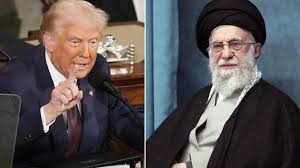
Pakistan’s High‑Risk, High‑Reward Diplomatic Gamble
Pakistan is not taking this step lightly. Leaders know that if the talks fail, Islamabad could be blamed for overstepping or for not being honest. If details are leaked, domestic groups may accuse the government of “selling out” national interests. At the same time, if the talks succeed even a little, Pakistan can claim a major diplomatic win. It could be seen as the country that stopped a war or at least slowed it down. This is why the move is a gamble: the upside is prestige and influence, while the downside is backlash and mistrust.
What Washington and Tehran Really Stand to Lose in a Full‑Scale War
For the United States, a full‑scale war with Iran would mean a long, costly conflict in a region where the US is already stretched thin. It would shock oil markets and could trigger a humanitarian crisis. For Iran, the situation is even more dangerous. Tehran’s economy is already under heavy pressure from sanctions. A direct war with the US would deepen those problems and threaten the regime’s stability. Both sides know this, which is why they keep talking even when they sound hostile. A real war would be far worse than a war of words.
Can Short‑Term Ceasefire Talks in Islamabad Actually Work?
No one can guarantee that talks in Islamabad will succeed. Trust between Washington and Tehran is extremely low. Both sides have reasons to doubt each other’s intentions. Even if they agree to sit in the same room, they may come with different goals and different red‑lines. The realistic hope is not a perfect peace deal, but a short‑term ceasefire or a few limited agreements that reduce the risk of escalation. A few days of focused talks in Islamabad could create breathing space and give other mediators time to follow up.
What Neighboring Powers Think About Pakistan Hosting the Talks
Neighboring countries are watching Islamabad closely. Some Gulf states may feel uneasy if Pakistan appears to give Iran too much space. Others may welcome any move that reduces the chance of war. Israel and its allies may be suspicious of any deal that allows Iran to keep or expand its influence. At the same time, many regional actors are tired of constant crises and may support any serious attempt to talk. Pakistan has to balance all these views while staying true to its own interests.
How Pakistan’s Internal Problems Could Shape the Talks’ Outcome
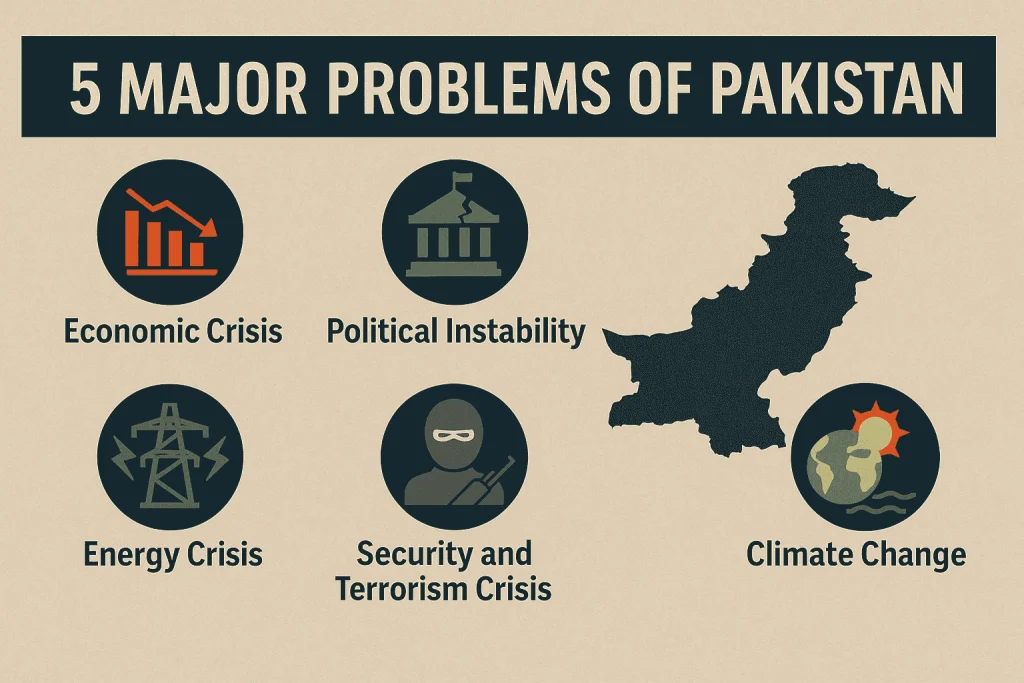
Pakistan is not a stable country. It faces economic stress, political tension, and security challenges. These internal problems can weaken its position in international talks. If Islamabad looks weak or divided, outside powers may not take it seriously as a host or mediator. On the other hand, if Pakistan manages to protect the process and show professionalism, it can prove it is capable of handling sensitive diplomacy. The outcome of the talks will not only affect the region but also how Pakistan sees itself on the global stage.
Why Small and Medium States Are Now Shaping Global Peace
In the past, big powers often decided the fate of smaller states. Today, the game is changing. Countries like Egypt, Turkiye, and Pakistan are becoming more active in peacemaking because they understand the region better than distant capitals. They can speak local languages, navigate local politics, and track what is really happening on the ground. Their role will grow if traditional diplomacy fails. Islamabad’s offer to host US‑Iran talks is part of this trend: medium powers stepping into the spotlight.
Final Takeaway: Is Islamabad the Last Chance to Stop a US‑Iran War?
Islamabad may not be the only chance to stop a US‑Iran war, but it is a rare and visible opportunity. The world is searching for any opening that can turn words into actions. If Pakistan handles the process wisely, builds trust, and sticks to its promise of neutrality, it could help lower the temperature. Even if the talks do not end the conflict, they could slow it down and buy time. In a crisis as dangerous as this, that may be enough to make Islamabad’s gamble worth the risk.