Pakistan Pushes US–Iran Peace Talks In Islamabad
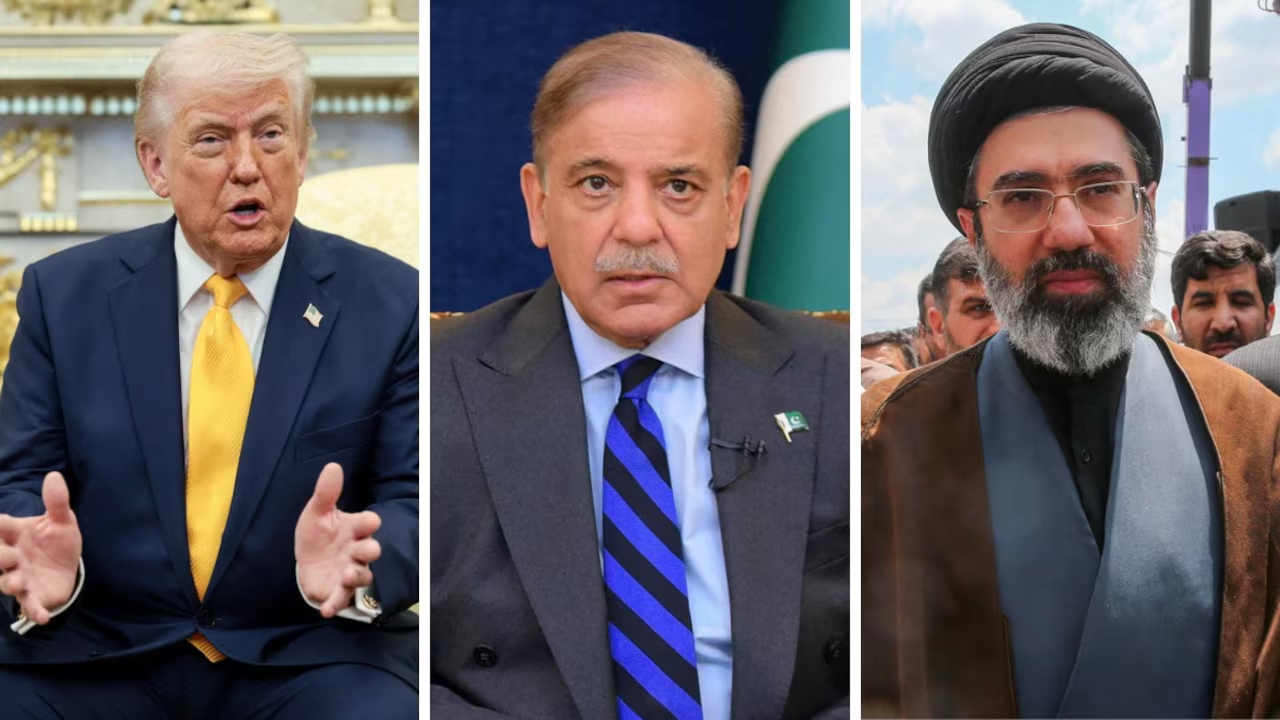
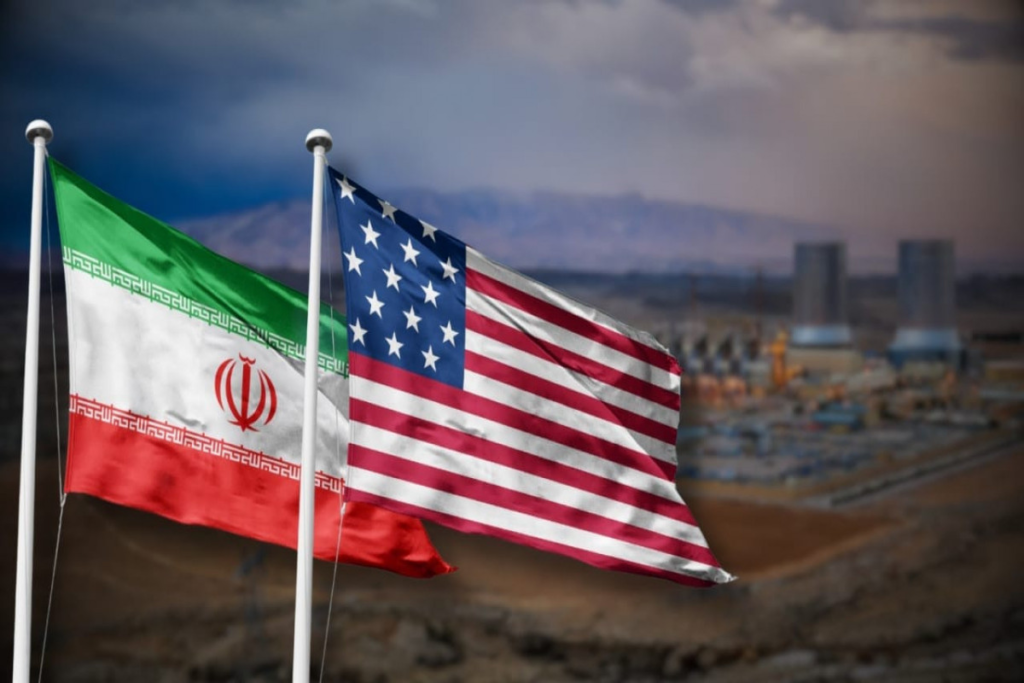
Pakistan is trying to play a leading role in starting US–Iran peace talks at a time when the region is facing a dangerous war. The country wants to help end the US‑Israeli conflict with Iran and reduce the risk of a wider Middle East crisis. Islamabad is offering its capital as a meeting place where both sides can sit together and talk instead of fighting.
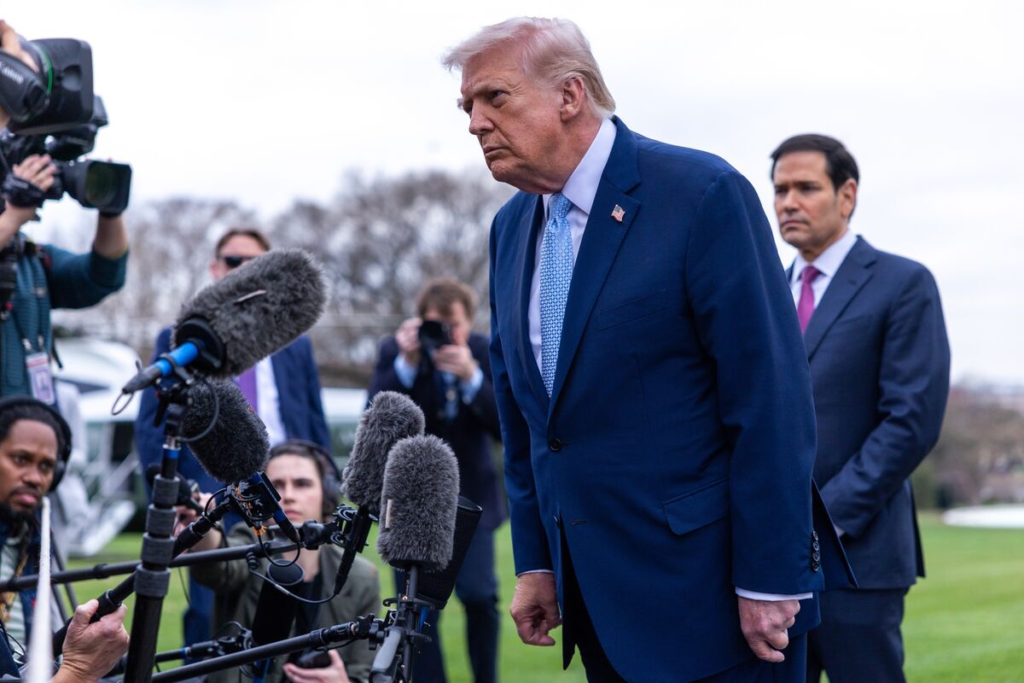
Pakistani leaders believe that dialogue between Washington and Tehran is the only way to stop more deaths, protect regional trade routes and bring some stability back to the Gulf. By stepping forward now, Pakistan is trying to show that it can act as a serious and responsible peace partner.
Pakistan Offers Islamabad For US–Iran Peace Talks
Officials in Islamabad are promoting their city as a neutral and secure venue where US–Iran peace talks can begin. They argue that Pakistan has links with both sides and understands the concerns of the United States as well as those of Iran and its neighbours.
Islamabad already hosts embassies, international organisations and regular diplomatic meetings, which makes it a practical choice for high‑level talks. If the first round of US–Iran peace talks is held there, it would send a strong signal that both sides are ready to explore a political path. It would also highlight Pakistan’s position as a bridge between Western powers and the wider Muslim world.
Asim Munir’s Contact With Trump
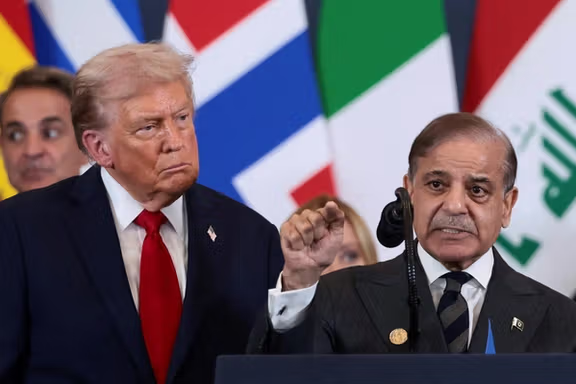
At the centre of this peace effort is Field Marshal Asim Munir, Pakistan’s powerful army chief. According to reports, Munir spoke by phone with US President Donald Trump to discuss options for US–Iran peace talks and ways to wind down the conflict. People familiar with the call say the discussion focused on finding a path towards ending the fighting and avoiding a larger regional war.
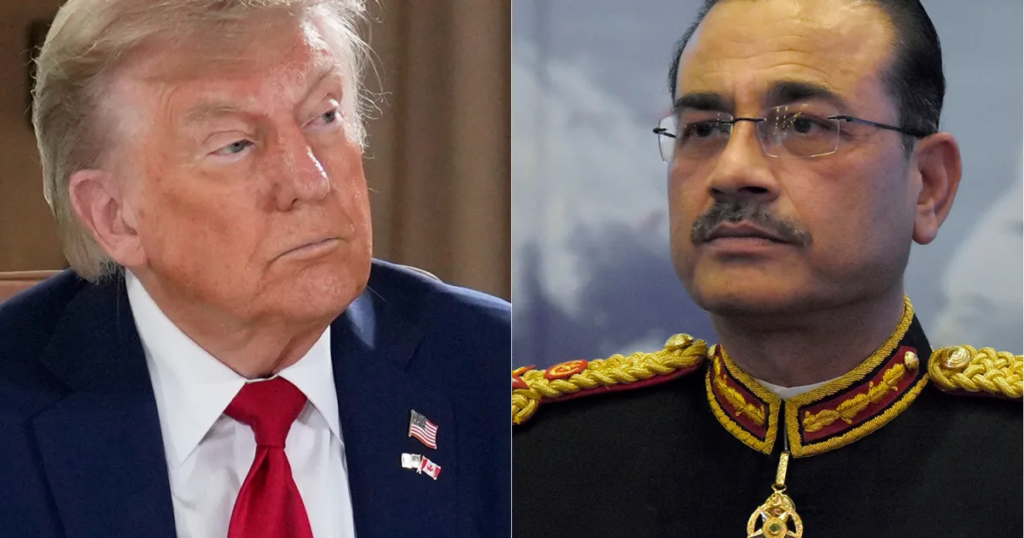
Trump’s special envoy Steve Witkoff is also said to be involved in this diplomatic track, with talk of a possible meeting in Islamabad that could include US figures such as Jared Kushner and Vice‑President JD Vance. These contacts suggest that Pakistan is not acting alone, but is in close touch with senior decision makers in Washington.
Back‑Channel Diplomacy With Iran And Gulf States
Pakistan is not only talking to the United States; it is also in contact with Iran and key Gulf capitals. Prime Minister Shehbaz Sharif has spoken with Iranian President Masoud Pezeshkian and shared Pakistan’s outreach for US–Iran peace talks and regional calm. At the same time, Munir and Sharif have visited Saudi Arabia and met Crown Prince Mohammed bin Salman to discuss the ongoing war and its impact on the Gulf.
Pakistan also joined a joint meeting of Arab and Muslim foreign ministers in Riyadh, where it tried to keep the public language of the final statement from raising tensions further between Iran and its neighbours. All of this shows a pattern: Pakistan is using quiet, steady diplomacy to keep communication open between sides that do not trust each other.
Why US–Iran Peace Talks Matter For Pakistan
For Pakistan, successful US–Iran peace talks are directly linked to its own security and economic future. The closure or disruption of the strait of Hormuz, where much of the world’s oil passes, hits Asian countries hard, especially Pakistan. The country depends on Gulf states for most of its crude oil and almost all of its liquefied natural gas.
Millions of Pakistani workers also live and work in the Gulf region, sending money home that supports families and the economy. A long war between the US and Iran could threaten jobs, raise fuel prices, cut trade, and increase security risks along Pakistan’s western borders. By supporting US–Iran peace talks, Pakistan is trying to protect its people and its economic lifelines.
Balancing Between Washington And Tehran
Pakistan has long walked a fine line between Washington and Tehran, and US–Iran peace talks in Islamabad could help keep that balance. The country has received military and financial support from the United States, while also sharing a long border, cultural ties and trade with Iran.
By acting as a mediator, Pakistan hopes it will not be forced to choose sides in a war that would be deeply damaging either way. Instead, it wants to show that it can use its links with both camps to reduce tensions, rather than become another front in the conflict.
Challenges Ahead For Peace Efforts
Even with Pakistan’s active role, beginning real US–Iran peace talks will not be easy. Trust between the United States, Iran and Israel is extremely low after weeks of strikes, threats and public accusations. Some US allies are also cautious and prefer to wait and see what happens before committing fully to any new talks.
Analysts warn that a single phone call or one meeting in Islamabad cannot solve every issue dividing Washington and Tehran. However, Pakistan’s move shows that there are still states willing to push for dialogue instead of more war. Even a first round of US–Iran peace talks could slow down escalation, reduce misunderstandings and open the door to more detailed negotiations later.
A Rare Opportunity For Pakistan’s Diplomacy
If Pakistan manages to bring US and Iranian representatives together in Islamabad, it would be a rare diplomatic success for the country. It would show that Pakistan can do more than react to regional crises; it can also shape events and promote peace.
For now, the world is watching to see whether these early efforts will turn into real US–Iran peace talks or fade under the weight of suspicion and hard positions. But Pakistan has clearly decided that it is better to try and mediate than to stand aside while a dangerous war grows on its doorstep.