7 Explosive Signals That Could Send Oil Prices Soaring — Or Trigger a Sharp Crash After US-Iran Talks
Global oil markets are standing at a critical crossroads.
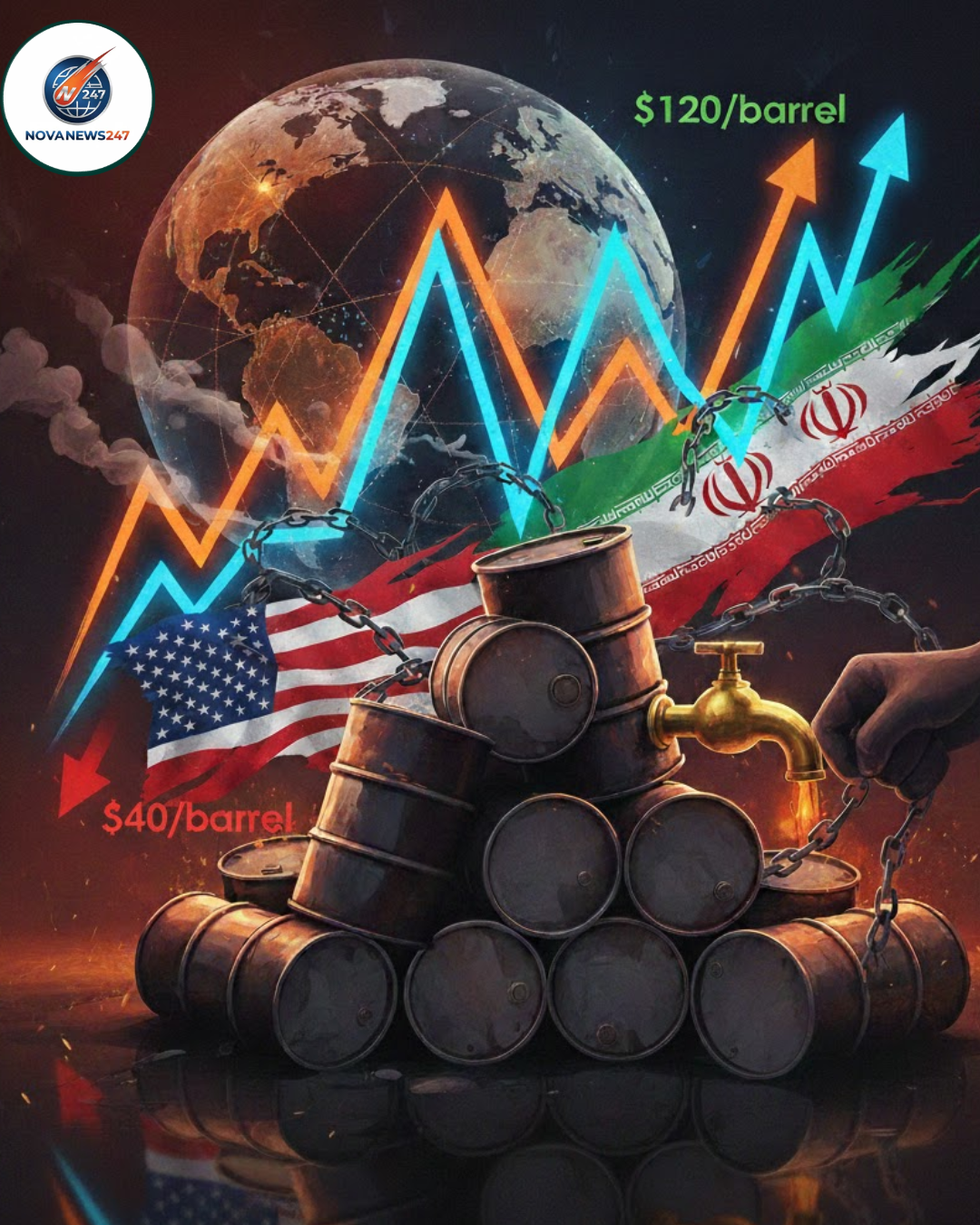
Crude prices are hovering near seven-month highs as traders brace for high-stakes nuclear negotiations between Washington and Tehran. The outcome could either stabilize markets — or ignite a powerful rally toward $100 per barrel.
Brent crude is trading above $71 per barrel, while WTI crude remains above $66, levels not seen since mid-2025.
Why is the market so tense?
Here are the 7 explosive signals investors are watching right now.
1️⃣ Rising Geopolitical Risk Premium
Organization of the Petroleum Exporting Countries
Iran is the third-largest oil producer in OPEC. Any disruption to its exports could remove millions of barrels per day from global supply.
Markets are adding a “risk premium” — extra price built in due to fear of conflict. If talks collapse, this premium could expand rapidly.
2️⃣ High-Stakes Geneva Negotiations
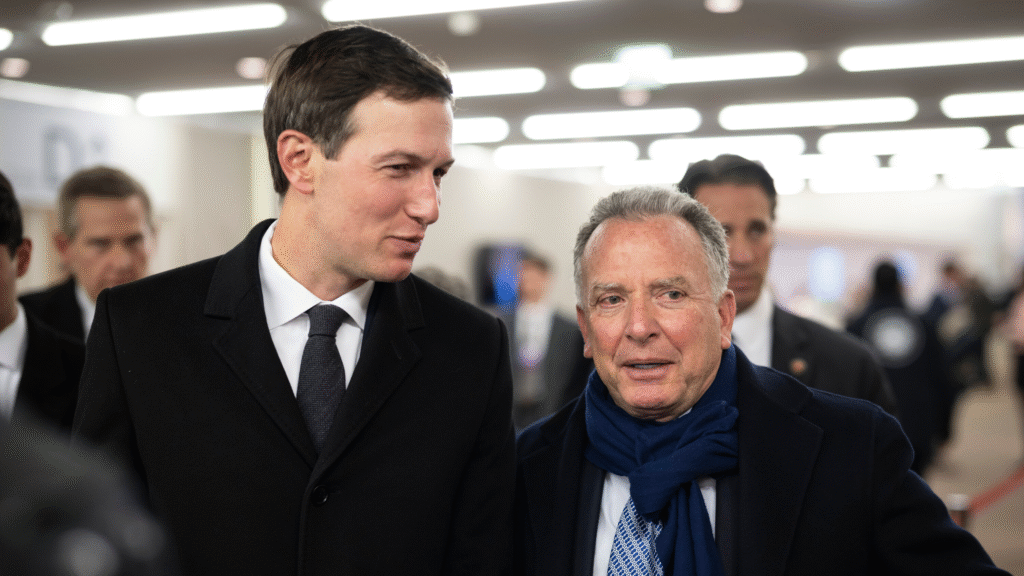
The upcoming talks in Geneva are crucial. U.S. representatives are meeting Iranian officials to negotiate limits on uranium enrichment and missile development.
Donald Trump has warned of “serious consequences” if no agreement is reached.
If diplomacy succeeds, oil may pull back sharply. If it fails, volatility could explode.
3️⃣ Military Presence in the Middle East
Increased U.S. military positioning in the region has intensified speculation. Even without direct conflict, heightened military activity increases perceived supply risk.
Oil markets react fast to military headlines.
4️⃣ Massive U.S. Inventory Build
The American Petroleum Institute reported an 11.43 million barrel increase in crude inventories.
This signals weaker demand or excess supply — a bearish factor that could pressure prices lower if geopolitical fears ease.
5️⃣ Speculative Hedge Fund Positioning
Large hedge funds often amplify price movements. If negotiations fail, algorithmic and speculative buying could accelerate gains toward $90 or even $100 per barrel.
But if talks succeed, rapid selling could trigger a sharp correction.
6️⃣ Inflation & Central Bank Sensitivity
Higher oil prices fuel global inflation. Central banks monitoring interest rates are watching closely.
If crude spikes, inflation could remain stubborn — affecting rate cuts and financial markets worldwide.
7️⃣ Impact on Emerging Economies Like Pakistan
For oil-importing countries, rising crude prices mean:
- Higher petrol and diesel prices
- Increased transport and logistics costs
- Pressure on foreign reserves
- Rising inflation
Pakistan, which imports most of its crude, is particularly vulnerable to sustained price increases.
Soaring Toward $100 — Or Sliding Back to $60?
Analysts are divided.
If negotiations produce even a partial agreement, oil could drop quickly as risk premiums fade.
However, if diplomacy collapses, crude could rally sharply as traders price in sanctions, disruptions, or military escalation.

The next few days are critical.
Why This Moment Is Crucial for Investors and Consumers
Energy stocks, airline shares, emerging market currencies, and gold are all reacting to oil volatility.
Oil does not just affect gas stations — it influences inflation, trade balances, interest rates, and global growth forecasts.
Markets are on edge. One headline from Geneva could shift billions of dollars in minutes.
Final Outlook: Volatility Ahead
The oil market is balanced between optimism and fear.
A breakthrough could calm markets and push prices lower. A breakdown could ignite a powerful surge.
For traders, investors, and everyday consumers, this is a defining moment.
The next move in oil may set the tone for global markets for months to come.
📌 Conclusion: A Defining Moment for Global Oil Markets
Oil prices are standing at a decisive turning point.
With crude hovering near seven-month highs, the upcoming US-Iran talks could either calm global energy markets or ignite a fresh rally toward $90–$100 per barrel. Right now, prices reflect a delicate balance between geopolitical tension and soft demand signals from rising U.S. inventories.
If diplomacy succeeds, the risk premium currently built into oil could unwind quickly, pulling prices lower. But if negotiations collapse, supply disruption fears may send crude sharply higher, fueling inflation, pressuring emerging economies, and triggering volatility across global financial markets.
For investors, policymakers, and consumers alike, this is more than just another news event — it is a potential catalyst that could shape fuel prices, inflation trends, and market sentiment for months to come.
The next move in oil will likely depend on one thing: diplomacy or disruption.

❓ Frequently Asked Questions (FAQ)
1. Why are oil prices rising right now?
Oil prices are rising due to growing geopolitical tension ahead of the US-Iran nuclear talks. Traders are adding a “risk premium” because any disruption in Iran’s oil exports could tighten global supply.
2. Could oil reach $100 per barrel again?
Yes, it is possible. If negotiations fail and tensions escalate, analysts believe crude oil could surge toward $90–$100 per barrel. However, if talks succeed, prices may decline.
3. How do US-Iran talks affect global oil supply?
Organization of the Petroleum Exporting Countries member Iran is a major oil producer. If sanctions increase or conflict disrupts exports, global supply could shrink, pushing prices higher.
4. What does higher oil mean for inflation?
Higher oil prices increase transportation, manufacturing, and logistics costs. This often leads to higher fuel prices, rising food costs, and overall inflation in many countries.
5. How will rising oil prices impact Pakistan?
Since Pakistan imports most of its crude oil, higher global prices can lead to:
- Increased petrol and diesel rates
- Higher electricity costs
- Pressure on foreign exchange reserves
- Rising inflation
6. What factors could push oil prices lower?
Oil prices could fall if:
- The US-Iran talks result in a diplomatic agreement
- U.S. crude inventories continue rising
- Global demand weakens
- OPEC increases supply
7. Is oil market volatility expected to continue?
Yes. Until there is clarity from the negotiations, volatility is likely to remain high. Geopolitical headlines can move oil markets very quickly.