Venezuela oil wars:
The Venezuela oil wars moved to the front burner in 2025 when the United States sharply increased its military presence in the Caribbean Sea and stepped up political pressure on Caracas in the name of fighting narco‑terror and protecting democracy. Washington says these operations are aimed at drug cartels and the “Cartel de los Soles”, but Venezuelan leaders and many analysts see a push for regime change, control over oil reserves, and regional power projection. This double narrative has turned a sanctions dispute into a dangerous standoff watched closely by media, markets, and neighbouring governments.

US Role in the Venezuela Oil Wars
Publicly, the United States presents its actions in the Venezuela oil wars as a campaign against drugs, corruption, and dictatorship, giving voters and allies a strong moral story. Experts say the real strategy has three layers: using a narco‑terror narrative, putting heavy pressure on the Maduro government for political concessions or exit, and restoring Western influence over heavy crude and key mining projects. This mix makes the conflict look less like a one‑off security mission and more like a long‑term geopolitical project in the Western Hemisphere.
Oil Reserves at the Core
Venezuela’s huge proven oil reserves make it a classic petrostate and put energy at the centre of the crisis. For years, high prices funded social programmes and regional alliances that Washington saw as a challenge to US influence, especially as Caracas moved closer to China, Russia, and other non‑Western partners. After sanctions cut official exports, discount crude and off‑radar shipments raised fears in Washington that rival powers could gain long‑term advantage from this confrontation.

Sanctions and Economic Pressure
Sanctions have turned the dispute into a silent economic war where access to dollars, banking channels, shipping insurance, and energy technology is restricted or weaponised. Bans on PDVSA, the exit of US companies, and pressure on third‑party buyers sharply reduced state revenues, weakening public services, health care, food imports, and infrastructure. In response, Caracas has relied on shadow fleets, alternative buyers, and discount deals, creating a grey‑zone energy conflict of sanctions versus circumvention.
US Military Buildup in the Region
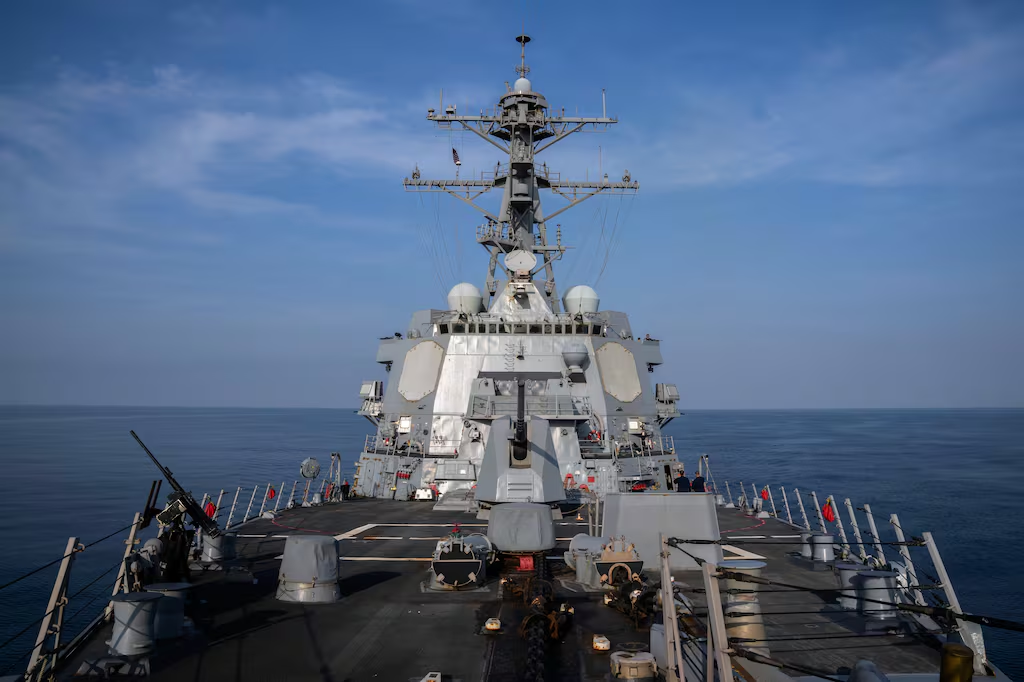
The deployment of a US aircraft carrier group, warships, patrol aircraft, and drones in nearby waters has given the confrontation a strong military dimension. Airspace drills, naval patrols, and strikes on suspected smuggling boats have increased the risk that any mistake or aggressive move could trigger a direct clash. Hardline statements from Donald Trump and senior officials signal that this is a high‑stakes moment, where backing down could be politically costly in Washington.

Venezuela’s Military Readiness
Venezuela has answered the build‑up by signalling that it will not rely only on diplomatic protests. Coastal defence exercises, anti‑ship missile tests, and air‑defence deployments are shown on state media to prove that any attack would face serious resistance from regular forces and allied militias. Officials have also hinted at guerrilla warfare and urban resistance, suggesting the conflict could become long and messy instead of a short, limited operation.
Global Impact of the Venezuela Oil Wars
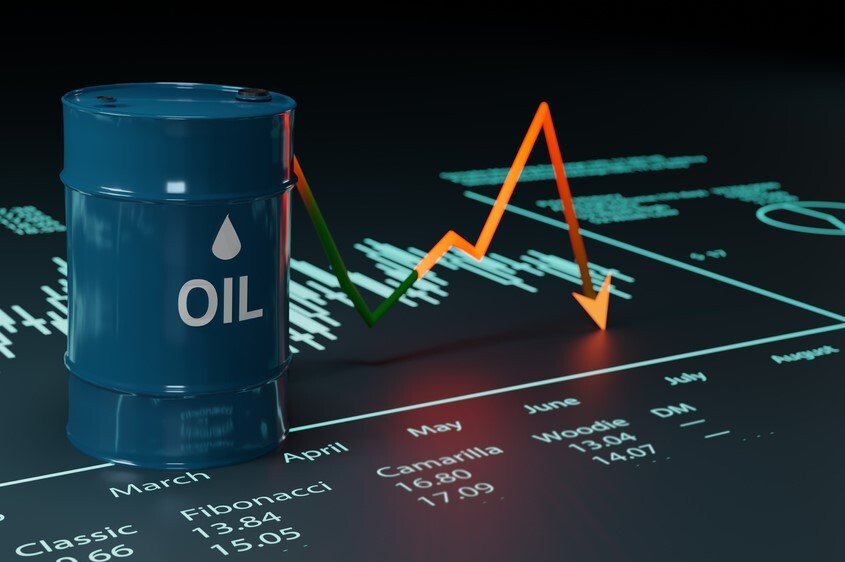
Energy analysts warn that escalation in the Venezuela oil wars could trigger sharp jumps in global oil prices if exports are disrupted or shipping lanes become unsafe. Heavy crude supplies, refinery setups, and higher insurance premiums all feed into fuel, aviation, and transport costs, which show up as inflation for consumers worldwide. Food security experts add that higher fuel prices raise the cost of fertilisers, logistics, and cold chains, so this crisis could indirectly worsen food prices and hunger, especially in low‑income importing countries.
Daily Life Inside Venezuela
For ordinary people, the situation adds fear and uncertainty on top of an already severe crisis of inflation, currency collapse, and shortages of food and medicine. News of US carriers, talk of precision strikes, and viral videos of drills make families wonder what will happen to their homes, jobs, schools, and basic supplies if open conflict breaks out. Many worry that the next phase could bring mass displacement, new refugee flows into neighbouring countries, and deeper hardship for those who cannot leave.
“Homeland” Sentiment and Media Battle
Government slogans like “the homeland is the homeland” frame the struggle as a fight for dignity, sovereignty, and resistance to foreign control. This message resonates because the country has a long history of coups, interventions, and sanctions, which created deep mistrust of US policy. Critics argue that the same narrative also helps justify repression and censorship, turning the crisis into a media war where both government and opposition try to control the story at home and abroad.
Diplomatic Paths Out of the Crisis
Conflict trackers and diplomats say tensions can still be cooled through realistic off‑ramps that combine phased sanctions relief with verifiable election reforms, prisoner releases, and anti‑drug cooperation. Such a hybrid deal would allow the United States to claim it is tough on crime and dictators while giving Caracas limited economic breathing space. But as long as hardliners on both sides treat compromise as weakness, the standoff risks continuing instead of moving toward a stable peace.