Andy Burnham: The New Labour Leader Set To Become UK Prime Minister
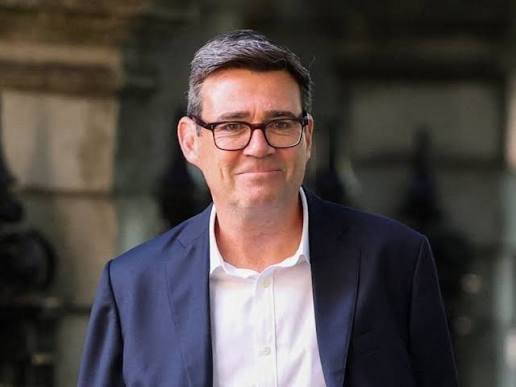
Veteran British politician Andy Burnham has been officially elected as the new leader of the ruling Labour Party, putting him on course to become the United Kingdom’s next prime minister. With Labour holding a huge majority in parliament after the 2024 election, the party’s leader automatically moves into Downing Street without a fresh general election. Burnham’s rise comes after Keir Starmer stepped down, following months of political turmoil, scandals and missteps that shook the government’s standing.
From his roots in northern England to his plan for a more balanced, pro‑business economy, Burnham’s journey matters not only for the UK but also for international observers, including audiences in the United States watching global politics closely.
1. Confirmed As Labour Leader After A Rapid Return To Parliament
Andy Burnham was formally declared Labour’s new leader at a special party conference in London. Interior minister Shabana Mahmood announced that there was no other eligible nominee, making Burnham the unopposed choice of the party. Remarkably, this confirmation came just four weeks after Burnham returned to the House of Commons in a by‑election, ending a nine‑year absence from parliament.
His swift comeback and immediate rise to the top of the party show how strongly Labour MPs believe he can steady the government and reconnect with voters.
2. Set To Become The UK’s Seventh Prime Minister In A Decade
Burnham is expected to become the UK’s seventh prime minister in ten years, highlighting the scale of political instability Britain has experienced since the mid‑2010s. Frequent changes of leadership have affected economic confidence, international relations and domestic reforms.
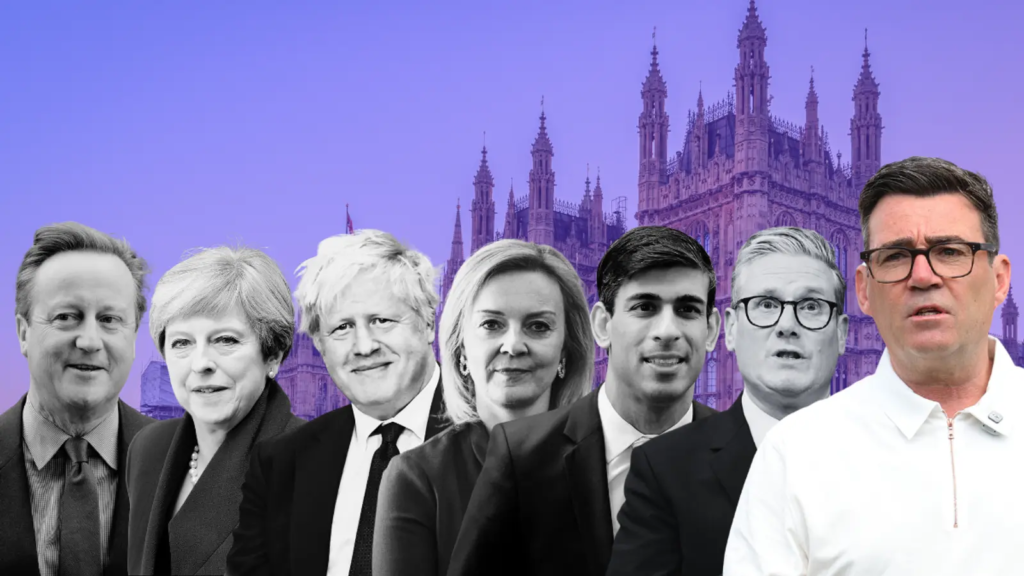
With Labour still dominant in parliament, Burnham will move into Downing Street without a national vote, putting pressure on him to deliver stability and long‑term direction where previous leaders struggled.
3. A “King Of The North” With Strong Regional Roots
Burnham earned the nickname “King of the North” during his time as mayor of Greater Manchester, a position he held from 2017 until last month. He won three successive mayoral elections and built a reputation as a powerful voice for northern England, advocating better transport, investment and social support for the region.
His flagship idea is devolving more powers to cities outside London, including the creation of a “Number 10 North” office that would symbolically and practically shift attention towards Britain’s neglected regions. This regional focus has helped him stand out in a political landscape often dominated by London‑centric debates.
4. Promising A New Economic Path For Britain
Burnham argues that the economic model followed since the 1980s has failed many of the communities that built Labour as a political force. He has pledged to pursue a “new path” that works for people in rural areas, coastal towns and industrial regions that feel left behind.
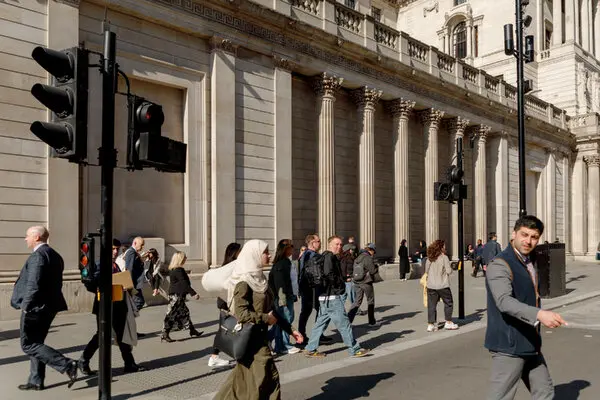
British face up to tough Economic Choices
He believes that Britain cannot control inflation and public spending effectively without greater public control over the cost of essential goods and services. In his view, managing everyday costs is central to stabilising the wider economy, a message likely to resonate with voters facing rising living expenses.
5. A Strongly Pro‑Business Labour Leader
Unlike earlier eras when Labour was sometimes seen as distant from business, Burnham has clearly positioned himself as a pro‑business leader. He points to his experience as mayor of Greater Manchester, where he worked closely with companies to revitalise the local economy and “turn places round together.”
Burnham says he wants to take this partnership approach nationwide, promoting growth through cooperation between government and the private sector rather than constant confrontation. For investors and business leaders watching from the US and elsewhere, this emphasis signals that Labour under Burnham will seek economic stability and predictable policy.
6. Promising To “Give Hope Back” To People And Places
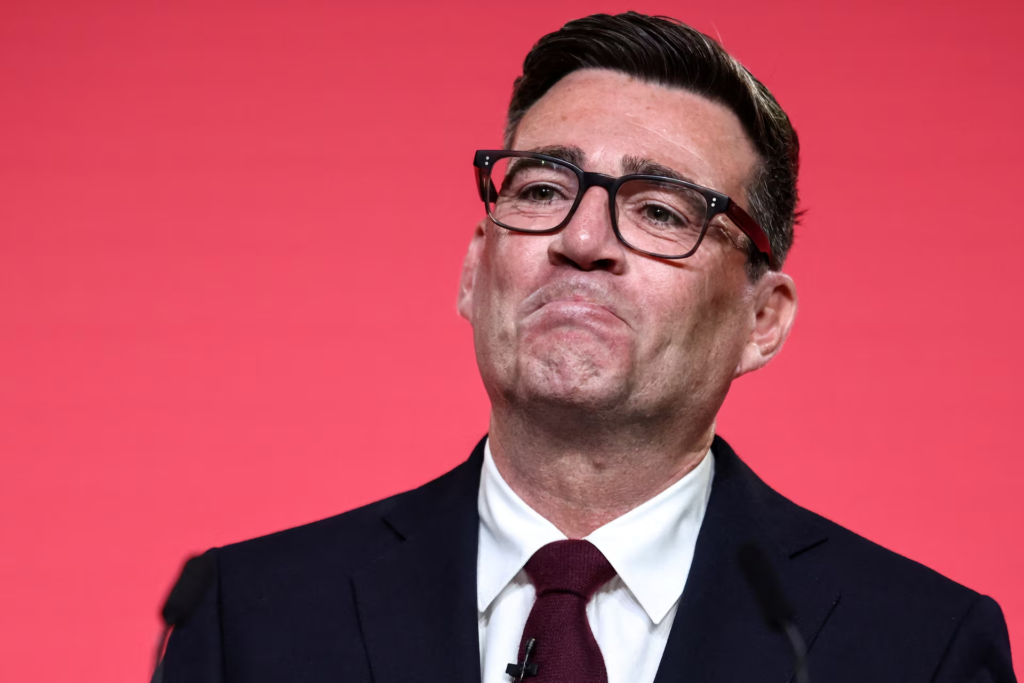
At the special conference, Burnham repeatedly spoke about restoring hope to communities that feel ignored by politics. He told delegates that people and places “have been waiting too long for politics to let them hope again” and vowed, “We’re going to give them hope back.”
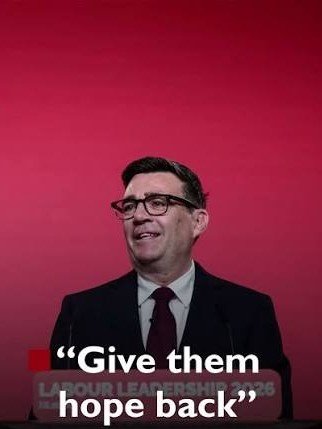
This language suggests a leadership style built on emotional connection and moral purpose, not just technocratic policy detail. Burnham’s message is that he is “for all of us”, positioning himself as a unifying figure at a time of social and economic strain.
7. Long Experience In Labour Politics And Government
Burnham’s rise is not sudden; it is built on decades of involvement in Labour politics. Born in Liverpool in 1970 and raised in Cheshire, he studied English at the University of Cambridge and worked in journalism before entering politics in his early twenties. He first became a Member of Parliament in 2001 and later served in the cabinet under former prime minister Gordon Brown.
He ran twice for the Labour leadership in the past, losing on both occasions, and eventually stood down as an MP in 2017 before becoming Greater Manchester mayor. This long and varied career gives him a deep understanding of both national and local politics.
8. Backed By Key Labour Figures And Trade Unions
Burnham’s leadership bid gained momentum as other senior Labour figures stepped aside to support him. Politicians such as former health secretary Wes Streeting abandoned their own ambitions, and a large majority of Labour MPs rallied behind Burnham as the best choice to succeed Keir Starmer.
His campaign also attracted strong support from major trade unions, which previously helped put him “in sight of Downing Street” by endorsing his leadership. This combination of parliamentary and union backing gives Burnham a solid base as he prepares to govern.
9. Seen As Labour’s Best Chance To Counter Reform UK
Labour MPs believe Burnham offers their best chance of containing Nigel Farage’s Reform UK, an anti‑immigrant party tipped by some polls to perform strongly at the next general election in 2029. Burnham’s direct, regional, and pro‑business message is seen as more likely to persuade voters who feel politically homeless than a purely metropolitan approach.
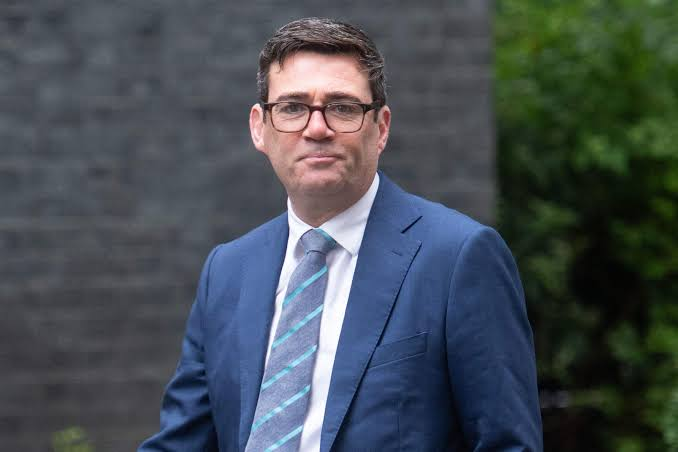
“Andy Burnham, seen as Labour’s strongest answer to Nigel Farage’s Reform UK.”
If he can connect with frustrated communities while maintaining economic credibility, he may be able to limit Reform UK’s appeal and keep Labour competitive across the country.
10. A Personal Story Rooted In Family And Public Service
Beyond politics, Burnham’s personal story underlines his image as a grounded, family‑oriented leader. He met his wife, Marie‑France van Heel, in 1989 while both were students at Fitzwilliam College, Cambridge. Van Heel has worked in marketing and strategy for major organisations such as Sky and has contributed to logo designs for the BBC and England Rugby.
The couple have three children — Jimmy, Rosie and Annie — and Burnham often presents himself as someone who understands everyday pressures facing families across the UK. This background supports his promise to be “for all of us” as he moves towards the role of prime minister.
Why Andy Burnham Matters Beyond The UK
For audiences in the United States and elsewhere, Andy Burnham’s leadership is important because it will shape Britain’s economic direction, foreign policy and relationship with business over the coming years. His focus on regional fairness, partnership with companies and control over essential costs reflects wider debates in many advanced economies.
As he prepares to enter Downing Street, observers will watch closely to see whether he can turn his promises of hope and a new path into concrete results for people and places that have felt ignored for decades.