Introduction
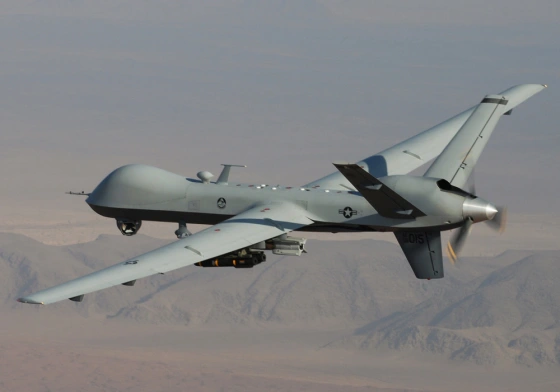
The United States Air Force is preparing to introduce a specialised force dedicated to defending its air bases from drone and missile attacks. Recent conflicts have demonstrated that many military installations are increasingly vulnerable to modern aerial threats, especially in regions such as the Middle East and the Indo-Pacific. As drones become cheaper, more accurate and easier to operate, military planners are being forced to rethink traditional methods of base protection.
Need for a Specialised Defence Force
Instead of relying only on existing systems and general security procedures, the Air Force is adopting a more focused approach. It plans to establish dedicated air base defence units at selected installations and create a new military speciality focused entirely on base protection. These units will receive specialised training to detect, track and defeat incoming drones and missiles. This represents a major shift in military thinking because base security is now being treated as a core operational requirement rather than simply a support activity.
Lessons from Recent Conflicts
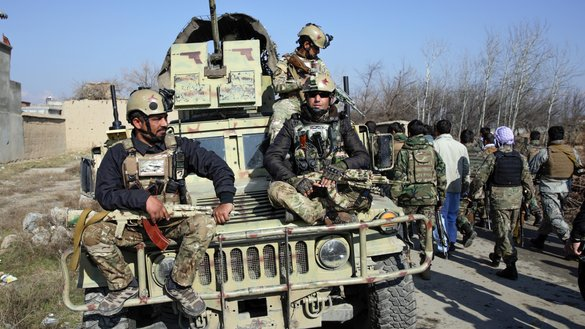
Recent wars have shown how dangerous drone attacks can be. One of the most important examples came from the conflict in Ukraine, where drones successfully struck strategic bombers parked at air bases deep inside the country. The incident demonstrated that even heavily protected airfields can become vulnerable if their defence systems are not designed to deal with small, fast and flexible aerial threats. It also highlighted the fact that traditional security measures such as fences, patrols and aircraft shelters are no longer sufficient.
Drone Incursions at US Military Bases
The United States has also experienced drone activity over its own military installations. Several unexplained drone incursions have been reported over bases in Virginia, Ohio, Utah and Britain. These incidents raised serious concerns about how effectively military bases are monitored and how quickly they can respond to unidentified aerial objects. They also proved that drone threats are not limited to active war zones and can appear in both peace and conflict situations.
Growing Threat in the Indo-Pacific Region
The challenge is even greater in areas where US bases are within the range of enemy missile systems. In the Indo-Pacific region, American air bases in Japan face increasing risks because of the growth of advanced missile capabilities. This situation has encouraged the development of layered defence systems that combine early warning, rapid response and specialised teams capable of managing complex air defence operations.
Shortage of Existing Missile Defence Systems
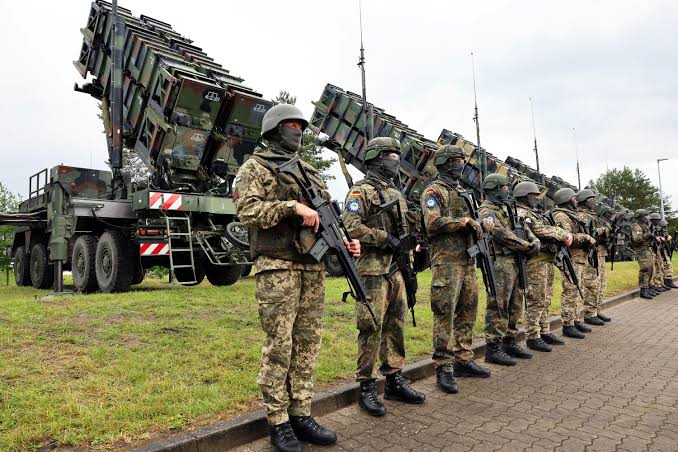
At present, the United States Army operates Patriot missile batteries, but there are not enough systems to protect every military installation that could be at risk. This shortage means that relying only on existing missile defence systems cannot guarantee complete security. As a result, the Air Force has proposed major investments in a new air base missile defence system that can provide additional protection against modern threats.
Strategic Importance of Air Bases
Air bases are among the most valuable military assets because they support combat operations, transportation and surveillance missions. If an air base is damaged or forced to shut down, military operations can be seriously disrupted. Aircraft, fuel supplies and communication systems are often concentrated in one location, making these bases attractive targets for enemy attacks. Protecting air bases is therefore essential for maintaining operational readiness and national security.
Challenges of Countering Drone Threats
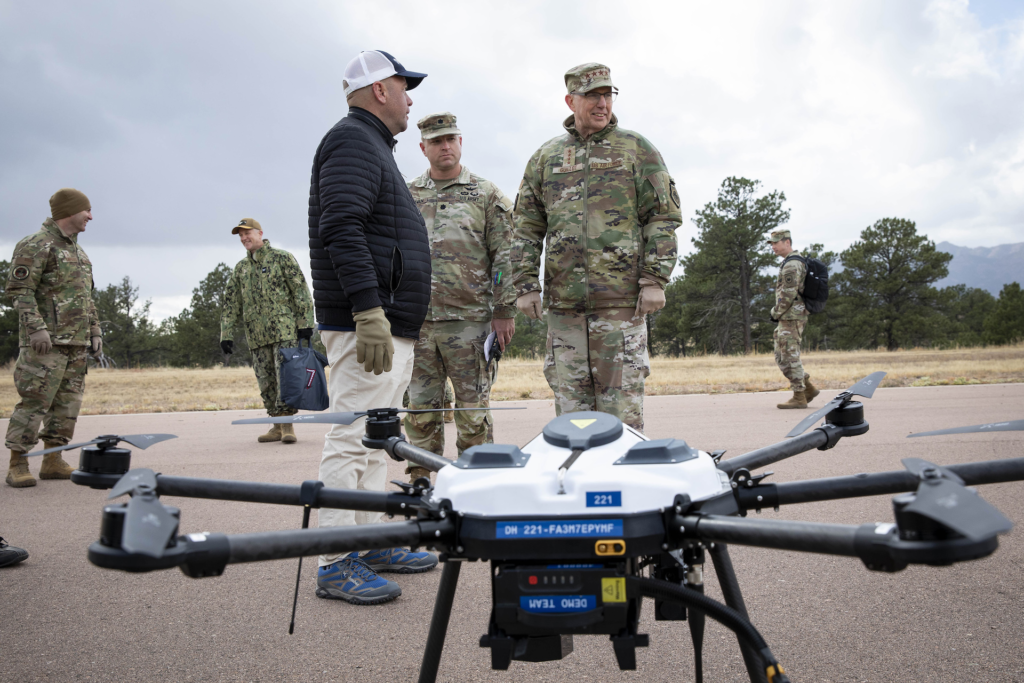
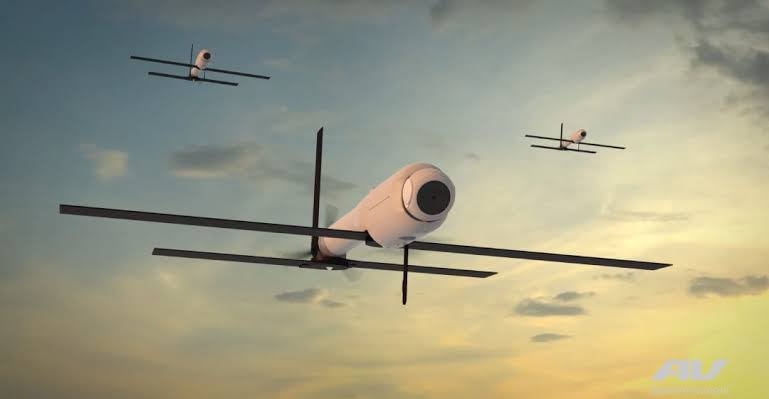
Defending against drones is more difficult than dealing with traditional aircraft. Many drones are small, inexpensive and capable of flying at low altitudes, making them difficult to detect with conventional radar systems. Some drones can also operate in groups, creating swarms that can overwhelm existing defence systems. These challenges require advanced technologies, better coordination and specially trained personnel who can respond quickly and effectively.
Increasing Importance of Base Defence
Senior defence officials have emphasised that base defence has become a major priority. The growing threat from drones and missiles is influencing budget decisions and long-term military planning. Military leaders now recognise that protecting air bases is essential for maintaining air power and ensuring that operations can continue during periods of crisis.
Broader Lessons for Modern Warfare
Modern defence depends not only on advanced weapons but also on agility, awareness and preparedness. Small and inexpensive drones can damage costly aircraft, disrupt operations and change the balance of power in a conflict. Combined drone and missile attacks can overwhelm outdated defence systems, encouraging many countries to reconsider how they protect their military installations.
Future Implications
The decision to establish specialised air base defence units could influence military planning around the world. Other countries are also studying the impact of drone warfare and may adopt similar strategies to protect their own bases. As technology continues to evolve, military organisations will need to invest in new equipment, training programmes and innovative defence concepts to remain prepared for future challenges.
Conclusion
The creation of a specialised anti-drone force reflects a clear understanding that air base defence requires its own doctrine, training and technology. If implemented effectively, this approach can reduce the risk of surprise attacks, improve the safety of personnel and equipment, and ensure that critical air operations continue during times of conflict. It may also serve as a useful model for other countries facing similar threats from drones and missiles in an increasingly complex security environment.