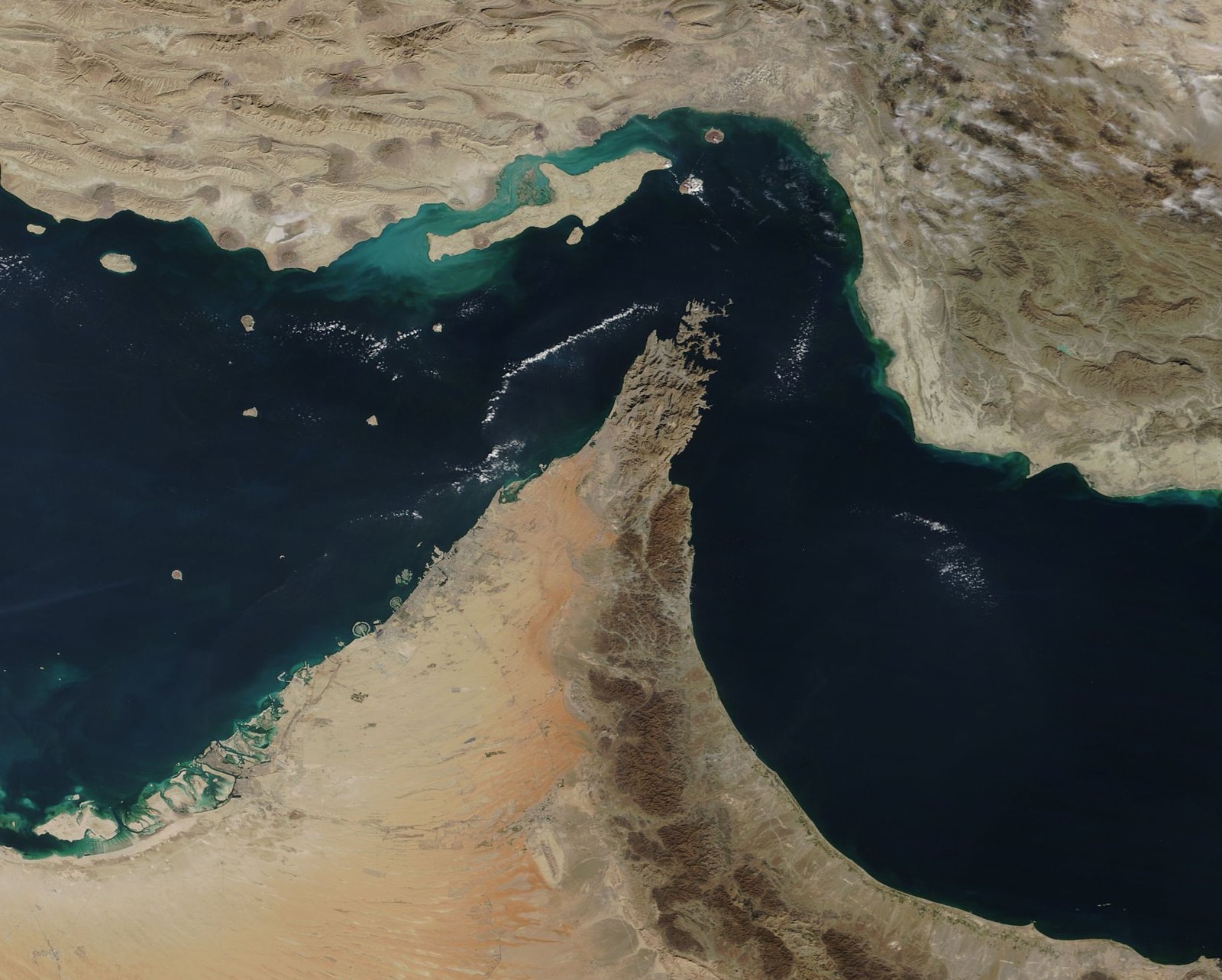
Introduction: A dangerous new flashpoint in the Strait of Hormuz
Tensions between the United States and Iran have escalated again after a missile strike on a tanker in the Strait of Hormuz and a wave of retaliatory attacks across the region. The latest exchange has drawn in Kuwait, Bahrain, and Lebanon, raising fresh fears for regional stability and oil shipping routes.
According to US Central Command, American forces fired a Hellfire missile to disable a tanker that they say was trying to break through a blockade around Iran’s ports. Iran’s Islamic Revolutionary Guards Corps (IRGC) responded with missile and drone attacks, including a strike on Kuwait’s main international airport.
1. Why the US fired on a tanker near the Strait of Hormuz
The US military says the incident began when an unladen tanker, the Botswana‑flagged M/T Lexie, attempted to move toward Iran’s Kharg Island through international waters. Central Command reported that US forces issued repeated warnings over a 24‑hour period, which the ship allegedly ignored.
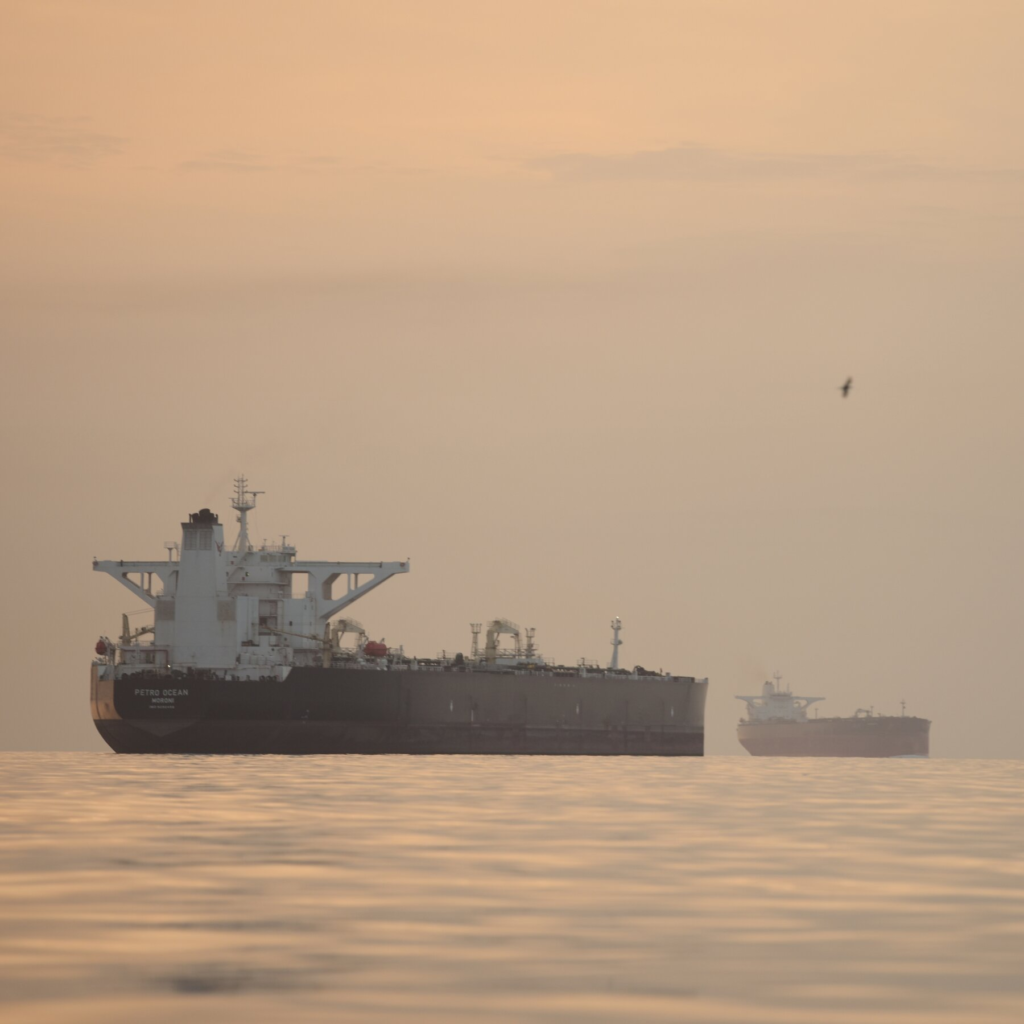
US aircraft then fired a Hellfire missile aimed at disabling the tanker’s engine, not sinking the vessel, as it passed near the Strait of Hormuz. The Lexie is the sixth ship that US forces have disabled since they began enforcing a blockade on Iran’s ports on 13 April, and officials say they have redirected more than 120 vessels so far.
2. Iran hits Kuwait’s airport in a major escalation
In direct response, Iran widened the confrontation beyond the narrow waters of the strait. Kuwait’s military confirmed that a passenger terminal at Kuwait international airport was struck by Iranian missiles or drones, causing significant damage and wounding several people.
The Kuwaiti defence ministry described the attack as “criminal Iranian aggression” and said the injured had received medical treatment, without immediately confirming the exact number of casualties. Kuwait’s state news agency reported that civil aviation authorities suspended air traffic and diverted arriving flights to other airports after the strike on Terminal 1. This attack marks a serious escalation, dragging a key Gulf transit hub and US partner deeper into the confrontation.
3. Claims and denials around attacks on the US Fifth Fleet in Bahrain
Iran’s IRGC said it also targeted the headquarters of the US Fifth Fleet in Bahrain with missiles and drones in retaliation for the strike on Qeshm Island. The statement framed these actions as part of a broader response to what Tehran called US “aggression” against its shipping and oil infrastructure.
However, US Central Command flatly denied that the Fifth Fleet headquarters had been hit. American officials said their forces intercepted threats and shot down three one‑way attack drones that Iran had launched toward civilian mariners transiting regional waters. The duelling claims highlight how hard it is for outside observers to verify each strike in real time, while the risk to commercial shipping remains very real.
4. Qeshm Island and the expanding regional battlefield
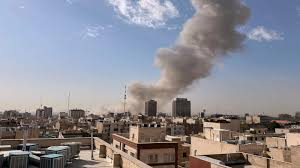
Beyond the tanker strike, US forces carried out further attacks on Iranian military infrastructure. American officials said they hit an Iranian ground control station on Qeshm Island, a strategic location near the Strait of Hormuz that hosts radar and drone facilities.
Over the previous weekend, US forces had already struck Iranian radar and drone sites, and Iran responded by targeting a US military base in Kuwait that it accused of supporting the operation. The pattern suggests a dangerous cycle: attacks on ships and infrastructure in and around the strait lead to retaliatory strikes on bases and ports across multiple Gulf states.
5. Diplomatic talk of a ceasefire clashes with strikes on the ground
The military moves stand in sharp contrast to recent political statements from Washington. US secretary of state Marco Rubio has claimed in Congress that a new agreement with Tehran is “within reach” and said Iran has shown new flexibility on parts of its nuclear programme.
Tehran, however, has sent the opposite message. Iranian foreign minister Abbas Araghchi warned that the ceasefire between Iran and the US covers “all fronts, including in Lebanon”, and said any violation on one front breaks the ceasefire everywhere. He insisted the US and Israel would be responsible for the consequences of further violations. These statements, combined with ongoing strikes, suggest diplomacy is running in parallel to — not instead of — active confrontation.
Lebanon and Israel: another front that could break the truce
The confrontation around the Strait of Hormuz is unfolding at the same time as renewed violence in Lebanon. Israeli warplanes have carried out dozens of strikes across southern Lebanon despite a new understanding that US president Donald Trump said he had brokered.
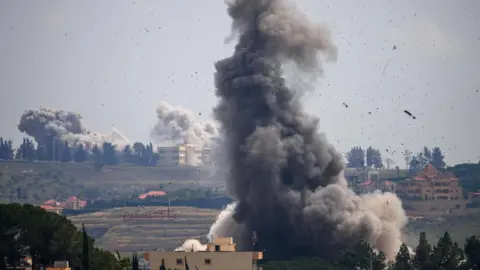
Trump claimed he halted a planned Israeli strike on Beirut and had secured a commitment from both Israel and Hezbollah that “all shooting will stop”. Yet Lebanon’s National News Agency reported about 30 Israeli strikes on Tuesday alone, including an attack near Sidon that killed six members of the same family, among them two children and a woman. The Israeli military also issued new evacuation warnings for Nabatiyeh and accused Hezbollah of violating the ceasefire. All this underlines how fragile any agreement remains while strikes continue on multiple fronts.
What this means for the Strait of Hormuz and the wider region
The Strait of Hormuz is one of the world’s most important energy chokepoints, and any sustained disruption to tanker traffic can quickly affect global oil markets. With the US enforcing a blockade, Iran firing on tankers and bases, and neighbouring states like Kuwait and Bahrain now directly targeted or threatened, the risk of miscalculation is rising.
For now, Washington insists it is defending shipping lanes and responding to attacks, while Tehran says it is resisting unlawful pressure and outside intervention. As long as each side justifies new strikes as “retaliation”, the danger is that a local clash around a single tanker, radar site, or base could trigger a much broader conflict that pulls more countries and civilian infrastructure into the line of fire.