7 Stark Lessons from China’s Suspended Death Sentences for Two Ex‑Defence Ministers
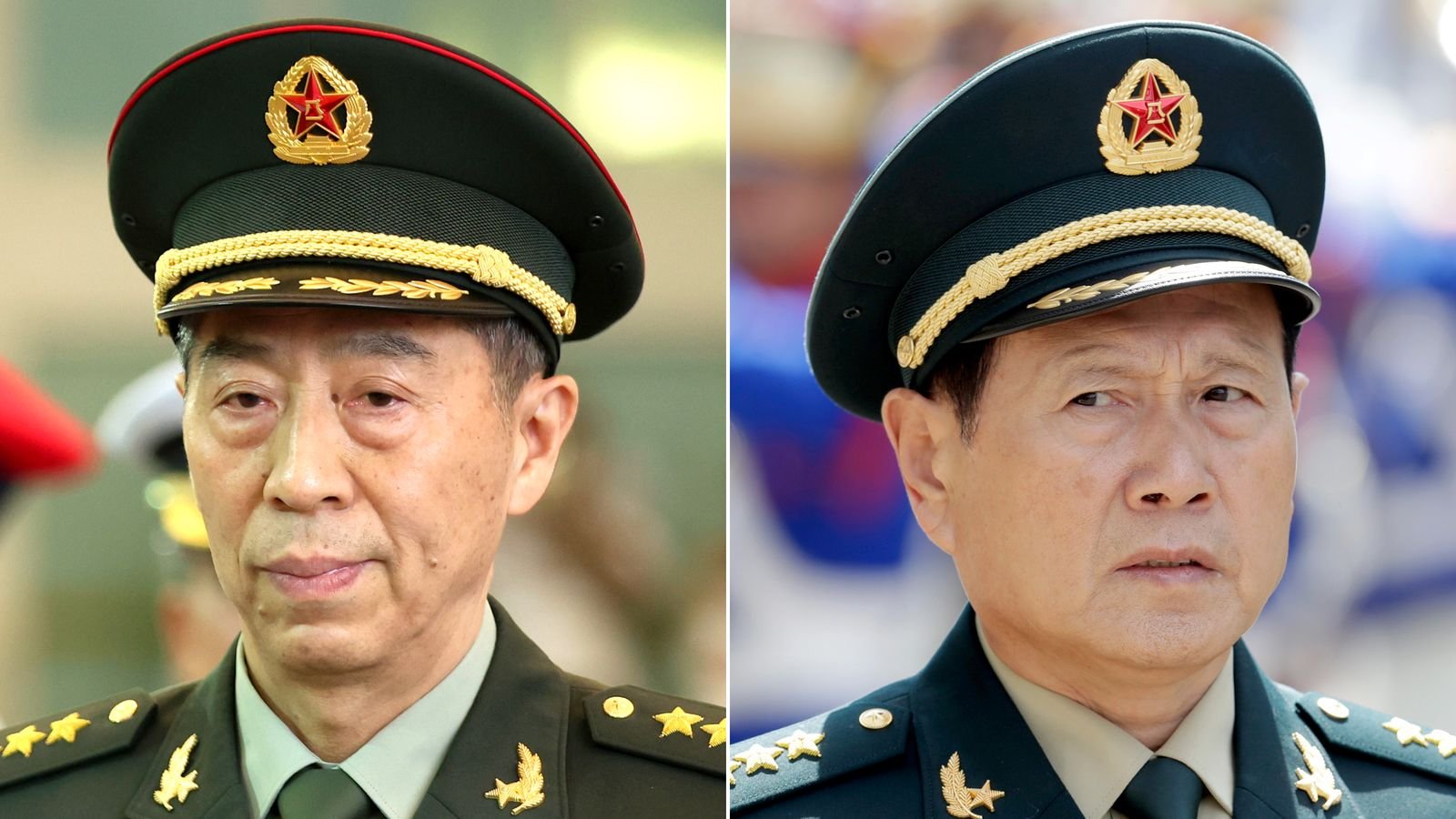
China’s leadership has sent a powerful and unsettling message by giving suspended death sentences to two former defence ministers on corruption charges. The rulings against Wei Fenghe and Li Shangfu, both one‑time members of the powerful Central Military Commission, show how far President Xi Jinping is willing to go in his drive to reshape and control the military establishment.
Although the sentences are expected to be commuted to life imprisonment after a two‑year reprieve, the symbolism is unmistakable. When generals who once appeared frequently on state television can fall this hard, every senior official in Beijing’s system is being reminded that no position is truly safe.
Here are seven key lessons from this unprecedented move – and why it matters far beyond China’s borders.
1. Suspended death sentences are China’s harshest signal short of execution
In China’s legal system, a death sentence with a two‑year reprieve is widely seen as the toughest punishment handed to top‑level officials today. In practice, it usually means the sentence will later be commuted to life imprisonment if the convicted person shows “good behaviour”, but the stigma remains permanent.
2. Xi’s anti‑corruption drive is now deeply rooted in the military
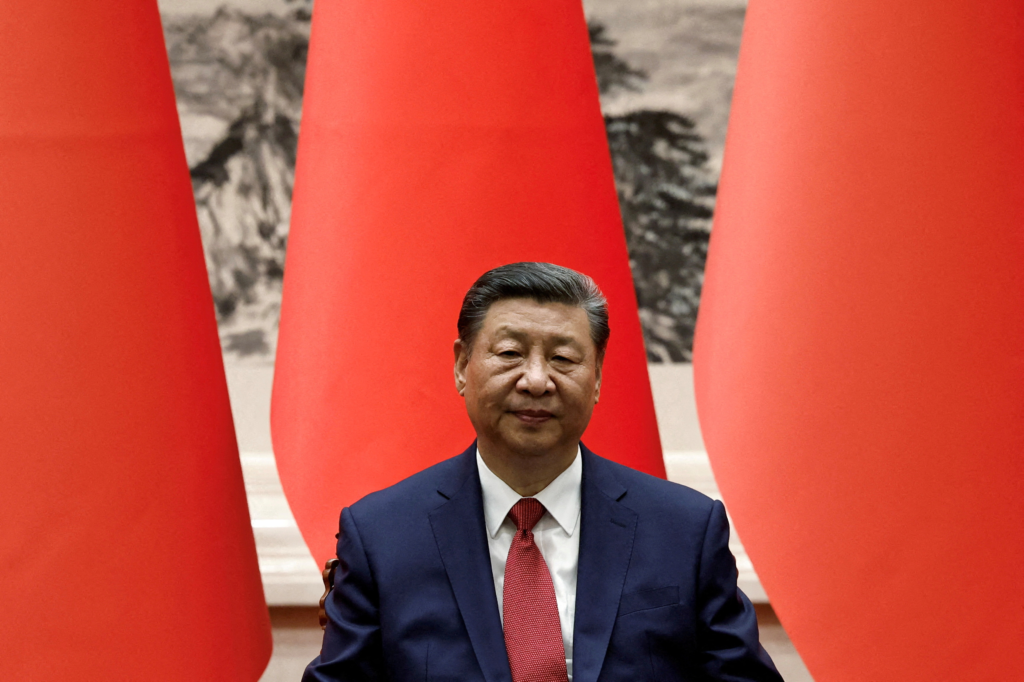
Since coming to power in 2012, President Xi Jinping has built his authority partly through a sweeping anti‑corruption campaign. What began in the civilian bureaucracy has steadily moved into the heart of the armed forces, targeting senior officers who control budgets, procurement and promotions.
Wei Fenghe and Li Shangfu both sat on the Central Military Commission, the top body that oversees the People’s Liberation Army and is chaired by Xi himself. Their downfall shows that the campaign is no longer just about cleaning up lower‑level graft; it has reached the top of China’s military command structure.
3. The message to other generals is blunt: loyalty is not negotiable
Both ex‑ministers were high‑profile figures, often seen alongside other senior leaders at official events and on state media. The fact that such public faces of the military establishment could be removed and tried sends a blunt message to other generals and commanders.

The leadership is signalling that loyalty, discipline and obedience are non‑negotiable. Those who control weapons, troops and strategy must also accept tight political control. Any hint of disloyalty, independent power‑building or financial misconduct can be framed as a threat to the system – and dealt with accordingly.
4. Critics see a political purge behind the corruption charges
Supporters of the campaign frame these sentences as proof that no one is above the law and that corruption is a real threat to military readiness. But critics, both inside and outside China, argue that such crackdowns can also be used to remove potential rivals and consolidate personal power at the top.
Because trials of senior officials are tightly controlled and heavily filtered through state media, it is difficult to independently verify the full extent of the alleged wrongdoing. That ambiguity feeds the perception that anti‑corruption efforts are serving a dual purpose: punishing genuine graft while also reshaping the political landscape to the leader’s advantage.
5. Stripping political rights is about more than punishment
Along with suspended death sentences, both men were stripped of their political rights for life and had their personal assets confiscated. Within an authoritarian system, this step matters almost as much as the prison term itself.
Losing political rights closes the door on any future role in public life, policymaking or even behind‑the‑scenes influence. It sends a message to allies and networks connected to the disgraced officials: the centre has decisively cut ties. In effect, their removal is meant to erase not just their careers but also their political footprint.
6. China wants a cleaner – and tighter – military as it faces global tensions
These sentences also come at a time when China is trying to project itself as a disciplined, modern military power in a world marked by rising geopolitical tensions. Internal corruption, especially in defence procurement and promotions, can weaken readiness, waste resources and undermine trust in command structures.
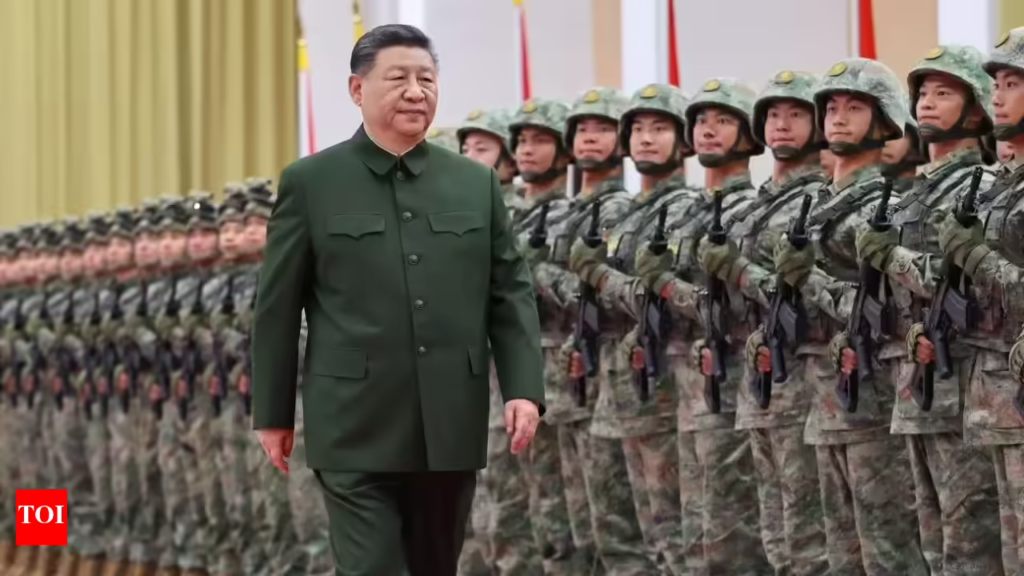
By publicly punishing senior figures, Beijing is trying to show both domestic and foreign audiences that it is serious about strengthening discipline in the ranks. A cleaner, more centralised chain of command is seen as essential if China wants to respond quickly and effectively in any future crisis.
7. The case shows how power and vulnerability coexist at the top
Perhaps the most striking lesson from the case is the mix of power and vulnerability at the highest levels of China’s system. At one point, both Wei Fenghe and Li Shangfu had direct access to the country’s top leadership and played visible roles in national defence policy. Today, they are examples used to warn others what can happen when the centre turns against you.
In highly centralised systems, rising to the top offers unmatched influence – but also exposes officials to sudden, irreversible falls from grace. The suspended death sentences underline how quickly fortunes can change when political winds shift.
Conclusion: Why this story matters beyond China
The sentencing of two former defence ministers is more than just an internal Chinese drama. It affects how other countries read Beijing’s stability, its decision‑making style and the balance of power inside its military and political elite.
For observers around the world, this case highlights three things: the depth of Xi’s control over the armed forces, the continuing use of anti‑corruption as a political tool, and the risks faced by those who climb highest inside China’s system. Whether seen as necessary discipline or a political purge, the suspended death sentences send a stark signal that will echo through the corridors of power in Beijing for years to come.